A temporary crown protects a prepared tooth while a permanent crown is being made. If you are wondering how to care for a temporary crown, focus on keeping it clean, avoiding excess pressure, and following the instructions from your dental team. The details can vary by tooth and restoration, so treat this guide as general information rather than personal dental advice.
Request an appointment with Celebrity Smiles
Temporary crowns are designed for an interim period. Your dentist can explain how long yours is expected to remain in place and what to do if your follow-up needs to change. Celebrity Smiles is a West Melbourne dental practice offering restorative care; recommendations depend on an in-person examination and your treatment plan.
What is a temporary crown for?
A temporary crown covers a tooth after it has been shaped for a permanent crown. It can help shield the prepared area and maintain the tooth’s shape while the final restoration is fabricated. It also lets many patients use the tooth during the waiting period, although the temporary material and feel may differ from the final crown.
Temporary crowns are not all identical. The material, fit, location of the tooth, and time until your next visit can affect the instructions you receive. Ask how long you should expect to wear yours, what foods to avoid, and how to clean around it. The practice’s crown information offers background on restorative care, but your personal plan is the guide for your tooth.
How should I clean a temporary crown?
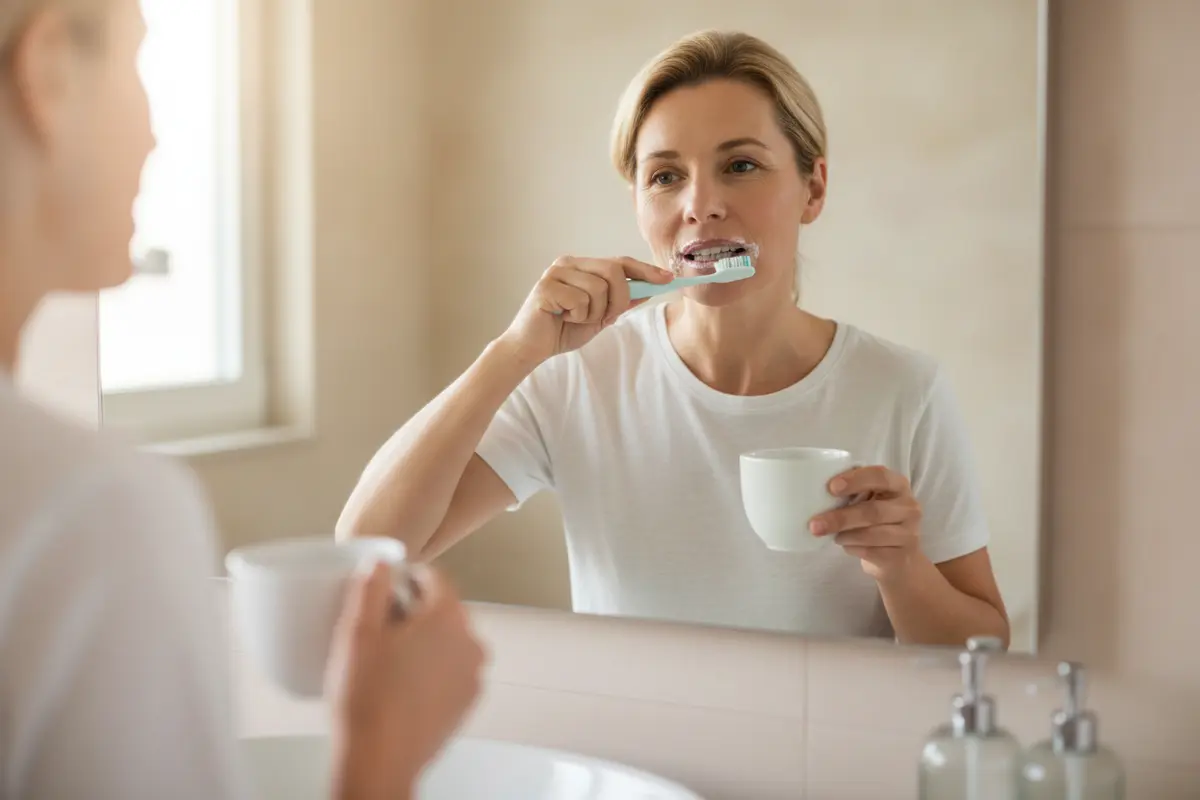
Keep the crown and nearby gumline clean, but do not scrub forcefully. Brush gently with a soft-bristled toothbrush and use the toothpaste and routine recommended by your dental team. Clean your other teeth as usual unless you were given different directions. Food and plaque can collect around dental work, so avoiding the area altogether is not a substitute for careful cleaning.
Floss carefully between the crowned tooth and its neighbor. Guide the floss into the space rather than snapping it down onto the temporary crown. When removing it, some dentists advise sliding the floss out sideways instead of lifting it back through the contact. Ask your provider which method is right for your restoration. If floss catches, stop tugging and contact the office for advice.
- Use a gentle brushing motion near the crown and gumline.
- Clean between teeth without sudden pressure on the temporary restoration.
- Use rinses only as directed by your dental team.
- Do not use tools or household adhesives to adjust or secure the crown.
The American Dental Association provides general oral-health information. Because a temporary crown is a specific restoration, ask your dentist how general hygiene guidance applies to you.
What foods are easier to manage with a temporary crown?
Choose foods that are comfortable to chew and avoid unnecessary force on the temporary crown. Hard, sticky, or very chewy foods may stress or tug on a temporary restoration. Examples include ice, hard candy, caramel, taffy, and very crunchy foods. This is a cautious approach, not a claim that a particular food will always cause a problem.
Cut firmer foods into smaller pieces and chew on the opposite side when practical. Avoid biting directly into hard foods with the crowned tooth. If chewing causes sharp discomfort or the crown seems to shift, stop using that side and contact your dental office. You do not need to make a broad dietary change unless your dentist recommends one.
| Food or situation | More cautious choice | Reason to take care |
|---|---|---|
| Hard foods | Choose softer options; avoid ice and hard candy | Strong pressure may stress the temporary material |
| Sticky or chewy foods | Skip caramel, taffy, and similar foods | They may tug on the crown |
| Firm foods | Cut small and chew away from the crown | Reduces direct biting pressure |
| Hot or cold foods | Notice your response and follow your dentist’s advice | A prepared tooth may feel sensitive |
For example, a sandwich with a tough crust may be easier to manage if cut into small pieces and chewed on the other side. If that still feels uncomfortable, choose a softer meal and call the practice for advice if the discomfort continues. Consider your other health and dietary needs before changing what you eat.
What if the crown feels high, loose, or uncomfortable?
A temporary crown may feel different from your natural tooth. Your bite may also seem unfamiliar at first. Do not assume that persistent discomfort, a crown that moves, or a new bite problem is something to ignore. Call the dental office, describe what you notice, when it began, and whether the crown feels loose or has come off.
Do not reshape the crown or tooth yourself. Household glue, superglue, and other non-dental products are not intended for use in the mouth and may complicate professional care. If the crown comes off, place it in a clean container and call the office for instructions. Do not force it back into place.
If you have pain, swelling, signs of infection, a broken tooth, or another urgent concern, seek professional dental advice promptly. This article cannot determine the cause of symptoms. Celebrity Smiles shares information about emergency dental care; contact the practice to discuss the appropriate next step.
How long should I wear a temporary crown?
The planned interval depends on your treatment and the timing of the permanent crown appointment. Follow the schedule given by your dentist. If you cannot attend as planned, contact the office instead of assuming the temporary crown can remain in place indefinitely. The team can advise whether you need a different appointment or additional precautions.
At the end of your placement visit, make sure you know the expected follow-up date and how to reach the office. Write down instructions if that helps. If your calendar changes, call early and explain that you are wearing a temporary crown. The office can tell you what to do while a new visit is arranged.
When you need to understand the planned permanent restoration, ask about the options and how the next visit will work. The practice’s porcelain crown page gives general context. It does not replace a discussion of the material selected for your tooth or the timing your dentist recommends.
How can I prepare for the permanent crown visit?
Keep the appointment details handy and note changes in how the temporary crown feels. Tell the dental team if it loosened, came off, or caused discomfort, even if the issue later improved. Mention any relevant medicine or health changes, and bring questions about cleaning, chewing, and the expected fit of the permanent crown.
The team may evaluate the prepared tooth and check the permanent crown before placing it. The dentist can assess the fit and your bite. Tell them if the tooth feels different when you close your teeth together or if you have avoided chewing on that side. These details help the team understand your experience; they do not replace an examination.
Celebrity Smiles describes its use of dental technology as part of care. Ask how any imaging or digital tools relate to your own treatment. Technology does not replace a conversation about the plan, alternatives, and follow-up.
What should I ask my dental team?
Clear questions can make the waiting period easier to manage. Before leaving the office, or when calling with a concern, consider asking:
- How long should I expect to wear this temporary crown?
- Which foods should I avoid based on the tooth that was treated?
- How should I floss around this specific crown?
- What should I do if it feels loose or comes off?
- Which symptoms should prompt a same-day call?
- What should I do if my permanent-crown visit must be rescheduled?
If an instruction is unclear, ask the provider to explain it in plain language. Patients who are new to the practice can review new patient information before a visit. For broader restorative questions, the practice’s dental services page is another starting point.
What should I do if plans change or a concern comes up?
Use a simple sequence. First, stop chewing on the affected side if the crown feels loose or painful. Second, avoid trying to repair, glue, or force it into place. Third, call the dental office and describe the change. If it has come off, keep it in a clean container and ask whether the team wants you to bring it to the visit.
When you call, share the basics: which tooth is involved if you know, what happened, when it began, whether the crown is still in place, and whether you have pain or swelling. Do not delay urgent professional advice when symptoms are significant. The office can determine the next appropriate step after hearing your situation.
If you need to confirm a visit or discuss a concern, use the appointment and contact page. The practice serves West Melbourne and nearby Brevard County communities. Its recommendations are based on an individual evaluation.
How should I manage the waiting period day by day?
A short routine can help you remember the key precautions without making care complicated. In the morning, brush gently and check how the crown feels while you get ready. Do not press or wiggle it to test its fit. At meals, choose comfortable foods, cut firmer items into manageable pieces, and avoid biting hard or sticky foods with the crowned tooth.
In the evening, clean around the crown carefully and floss in the way your dentist recommended. If you notice a change, make a brief note of what happened and when. This can help you explain the issue clearly if you call. Do not keep repeatedly testing a loose-feeling crown with your tongue or fingers, since that does not tell you why it feels different and may add unnecessary movement.
Keep the follow-up appointment visible on your calendar. If you have a question about a specific instruction, ask rather than substituting advice from someone with a different tooth or restoration. A temporary crown is a short-term part of an individual treatment plan, so the dental team that knows your case is the best source for personalized directions.
How can I tell routine care questions from a reason to call?
Some questions can wait for the planned follow-up, such as confirming which flossing technique your dentist recommends when the crown is stable and you have no new symptoms. Other changes deserve a call: a crown that is loose or has come off, persistent discomfort, a bite that feels markedly different, or trouble chewing. Calling does not mean you have diagnosed a problem; it lets the dental team advise you based on the details.
For pain, swelling, signs of infection, or a damaged tooth, seek prompt professional advice. If you are unsure whether your concern is urgent, describe it to the office and ask what to do. Do not rely on a general article to decide whether an individual symptom can wait.
To keep the conversation useful, mention any recent change since the crown was placed. Note whether discomfort happens only during chewing, whether hot or cold foods affect it, and whether the crown has moved. These observations are not a self-diagnosis. They are practical details for the clinician to consider during advice or examination.
How can West Melbourne patients arrange follow-up?
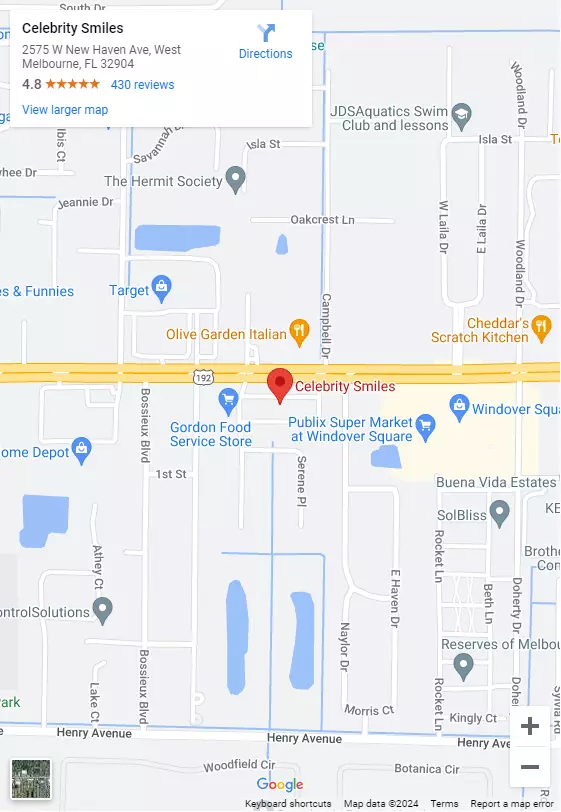
Temporary-crown care is easier when you know how to contact the practice and when the permanent restoration is expected. Keep the office details with your appointment information. Celebrity Smiles is located in West Melbourne and provides comprehensive dental care, including restorative services. Ask about your own schedule and care instructions rather than assuming another patient’s timeline applies.
If you are a new patient, review the visit preparation information and bring any questions about the temporary crown. If the issue is urgent, the practice’s emergency care information may help you understand how to get in touch. For all concerns, the appropriate recommendation depends on an individual assessment.
Patients often find it helpful to write down the specific question before calling: “The crown feels different when I bite,” or “It came off while I was eating.” Clear descriptions make it easier to explain what changed and when. You do not need to identify the cause before asking for guidance.
Request an appointment to discuss your temporary crown
Frequently Asked Questions
Can I brush a temporary crown?
Yes. Brush gently with a soft-bristled toothbrush unless your dentist gave different instructions. Avoid forceful brushing or trying to move the crown.
Can I floss around a temporary crown?
Clean between teeth carefully and avoid snapping the floss against the crown. Ask your dental team whether to withdraw it sideways for your specific situation.
What should I do if my temporary crown comes off?
Call your dentist for instructions and keep the crown in a clean container. Do not force it back into place or use household glue.
Can I eat normally with a temporary crown?
Choose foods that do not require strong biting or tugging. Avoid hard and sticky items, and follow the advice your dentist gave for your tooth.
Should I wait for my next visit if the crown hurts?
Contact the dental office and describe the discomfort instead of trying to diagnose it yourself. Seek prompt professional advice for pain, swelling, infection symptoms, or a damaged tooth.
Gentle cleaning, cautious chewing, and timely communication with your dentist can help you manage the time before your permanent crown visit. Follow the instructions provided for your treatment, and ask the dental team whenever you are uncertain.