Wisdom tooth pain emergency dentist concerns can be hard to judge at home. Mild tenderness may not mean you need emergency care, but severe or worsening pain, swelling, fever, trouble swallowing, or difficulty breathing deserves prompt attention. A dentist can assess the cause and recommend next steps; this article cannot diagnose symptoms.
Request an appointment to discuss wisdom tooth pain
What symptoms can make wisdom tooth pain urgent?
Wisdom teeth are the third molars at the back of the mouth. As they emerge, they may cause discomfort or pressure. Pain can also come from decay, infection, gum irritation, or another dental concern. Symptoms alone cannot confirm the cause, so an exam is the right way to understand what is happening.
Contact a dentist promptly if pain is strong, continues to worsen, interferes with eating or sleep, or returns after briefly improving. Seek urgent medical care if you have difficulty breathing or swallowing, rapidly increasing facial or neck swelling, or feel seriously unwell. These symptoms can require immediate attention beyond a routine dental visit.
- Call a dentist promptly: persistent or worsening pain, gum swelling around a back tooth, a bad taste or drainage, or difficulty opening your mouth.
- Seek urgent medical attention: trouble breathing or swallowing, swelling that spreads quickly, or severe symptoms that make you feel acutely ill.
- Arrange an evaluation: recurring tenderness or food trapping even if the discomfort is manageable.
Do not wait for a particular symptom combination to appear. If you are unsure how quickly to be seen, call the dental office, explain what you notice, and ask for guidance. The practice provides emergency dental care in West Melbourne; availability and the appropriate response depend on your situation.
What should you do while arranging care?
Keep the area clean with gentle brushing. Rinse carefully with warm salt water if you can do so comfortably, and avoid pressing or probing the sore gum. Choose softer foods and chew away from the tender area. These steps may help you stay comfortable, but they do not treat the cause or replace an examination.
Use over-the-counter medicines only as directed on the label and only if they are safe for you. Ask a pharmacist or clinician if you have a health condition, take other medicines, are pregnant, or are uncertain what is appropriate. Do not place aspirin or other medication directly on the gum, and do not use leftover antibiotics. A clinician must decide whether medication or another treatment is suitable.
If a tooth is painful, swollen, or draining, note when symptoms began and whether they are changing. Tell the dental team about fever, medication use, allergies, and relevant medical conditions. If you have difficulty breathing or swallowing, do not wait for an office callback; seek emergency medical care.
How can you compare common situations?
| What you notice | Reasonable next step | Why evaluation may help |
|---|---|---|
| Mild tenderness that is settling | Monitor briefly and arrange a dental check if it persists or returns | A dentist can assess the tooth and surrounding gum |
| Persistent or worsening pain, swelling, or drainage | Contact a dentist promptly for advice and an appointment | These symptoms need professional assessment; their cause is not clear from appearance alone |
| Difficulty breathing or swallowing, or fast-spreading swelling | Seek urgent medical attention | These symptoms can indicate a serious problem requiring immediate care |
What might happen during a dental evaluation?
The dentist will ask about your symptoms and health history, then examine your mouth. Depending on the findings, imaging may be recommended to assess the tooth’s position and nearby structures. Celebrity Smiles uses dental technology including CBCT 3D imaging; the clinician determines whether imaging is appropriate for your case.

Next steps depend on the examination. The dentist may discuss monitoring, cleaning around the area, treatment for a specific problem, or referral when needed. Extraction is not automatic for every wisdom tooth concern. Ask what the examination shows, what choices are available, and what could happen if you wait.
For appointment planning, review the practice’s new patient information. If the concern involves a damaged or painful tooth more generally, the dental services overview provides context about care options, but your dentist will tailor recommendations to your needs.
What questions should you ask the dentist?
Clear questions can make it easier to understand your options. Consider asking:
- What might be causing the pain, and what did the examination show?
- Is imaging needed to understand the tooth’s position?
- Is it reasonable to monitor this, or do you recommend treatment now?
- What are the benefits, risks, and alternatives for each option?
- What symptoms should lead me to call again or seek urgent medical care?
- How should I care for the area while waiting, and which medicines are safe for me?
If a procedure is discussed, ask about preparation, recovery expectations, follow-up, and how to reach the office with concerns. Recommendations depend on an in-person examination and an individualized treatment plan. You can read information about the dental practice before your visit.
How can you prepare for the appointment?
A few details help make a short call more useful. Write down when the pain began, whether it comes and goes, and whether it has changed. Note the exact area if you can identify it, but avoid probing the gum to locate the source. Mention any visible swelling, drainage, bad taste, fever, difficulty opening your mouth, or trouble eating.
Have a current list of medicines, supplements, allergies, and relevant medical conditions available. If you have already taken a pain reliever, note the name, amount, and time. Do not take extra doses to get through the visit; follow package directions and ask a clinician or pharmacist if unsure. If you have dental records or recent imaging from another office, ask whether those records would be useful.
When calling, describe the most concerning symptom first. For example: “The pain behind my lower molar has worsened since yesterday, and the gum is swollen.” Then explain whether you have fever or problems swallowing or breathing. This gives the team a clear starting point for deciding how quickly you should be assessed. If breathing or swallowing is difficult, seek emergency medical care immediately rather than waiting for an appointment.
How should you understand possible next steps?
An exam is meant to clarify what is happening and which choices make sense. The dentist may find that a tooth and the surrounding tissue can be monitored, or may identify a concern that needs treatment. Recommendations should reflect symptoms, examination findings, and imaging when it is clinically appropriate. One person’s experience is not a reliable guide to another person’s tooth position or treatment needs.
Ask the dentist to explain the finding in plain language. If imaging is recommended, ask what it is intended to show and how it could affect the plan. If more than one approach is reasonable, ask how the options differ in purpose, timing, risks, and follow-up. You may also ask what signs would make waiting inappropriate. The goal is to leave knowing what the next step is, whom to contact if symptoms change, and what to do if you have a new concern.
If treatment or a referral is proposed, ask who will provide it and how coordination works. A recommendation does not mean every possible procedure is required. You can ask for time to consider non-urgent options and request clarification about any part of the plan that is unclear. For acute symptoms, however, do not delay urgent care while trying to resolve routine questions by message.
How can you make the first phone call useful?
A clear call helps the dental team understand the concern without asking you to diagnose it. Start with location and timing: whether pain is behind an upper or lower molar, when it began, and whether it has changed. Say if you are unsure whether the wisdom tooth is the source.
Mention visible swelling, drainage, fever, difficulty opening your mouth, and trouble swallowing or breathing. Explain whether symptoms are getting worse. Ask what to do next and what details to bring. Do not assume a voicemail is reviewed immediately; seek urgent help if symptoms worsen while waiting.
What details are useful to record while you wait?
Record when symptoms began, where discomfort seems to be, and whether it is constant or intermittent. Note what makes it better or worse, without deliberately testing the area. Track changes in swelling or mouth opening. A concise log makes it easier to describe the situation accurately.
List medicines, allergies, prescriptions, supplements, and relevant health conditions. Record the name, amount, and time of any medicine taken, and follow package directions. Do not add doses or combine medicines unless a qualified clinician or pharmacist says it is appropriate.
For example: “The soreness started this morning behind my lower molar. It is more noticeable when chewing, and I now see gum swelling. I have no trouble swallowing or breathing.” Share observations, not a self-diagnosis. An examination is needed to determine the cause.
What should you avoid doing before an evaluation?
Do not cut, lift, or drain gum tissue, or poke the area with a sharp object. Gentle brushing is reasonable, but ask the dental team for guidance if it causes significant discomfort. Avoid using someone else’s prescription medicine or leftover antibiotics; a clinician must decide whether medication is appropriate.
Do not put aspirin, crushed tablets, alcohol, or harsh substances directly on the gum. These can irritate or injure the mouth. Do not postpone evaluation solely because pain temporarily eases. Symptoms can fluctuate, and a brief improvement does not establish the cause. At the same time, an ache alone does not prove an emergency procedure is needed.
How do you plan for the visit and follow-up?
Confirm the appointment location and any instructions from the office. Bring your medicine and allergy list, symptom notes, and relevant dental records if available. Ask whether prior imaging can be shared, but do not delay care to retrieve it. Tell the team if symptoms have changed since you called.
At the visit, ask the dentist to summarize the findings and next step in plain language. If monitoring is suggested, clarify when to return and what changes should prompt an earlier call. If treatment is recommended, ask its purpose, reasonable alternatives, and expected follow-up. A written plan can help you remember instructions.
Afterward, use the contact method the practice provides if a new concern develops. Ask whom to contact after hours and which symptoms require immediate medical attention. Keep recommended follow-up appointments unless the clinician changes the plan. These steps support clear communication but do not replace individualized medical advice.
When should you contact a dentist about wisdom tooth pain?
Contact a dental office if discomfort persists, worsens, keeps returning, or comes with swelling, drainage, or difficulty opening your mouth. Explain the symptoms and how long they have been present. A team member can help determine an appropriate appointment pathway. If breathing or swallowing is affected, seek urgent medical care rather than waiting for a dental appointment.
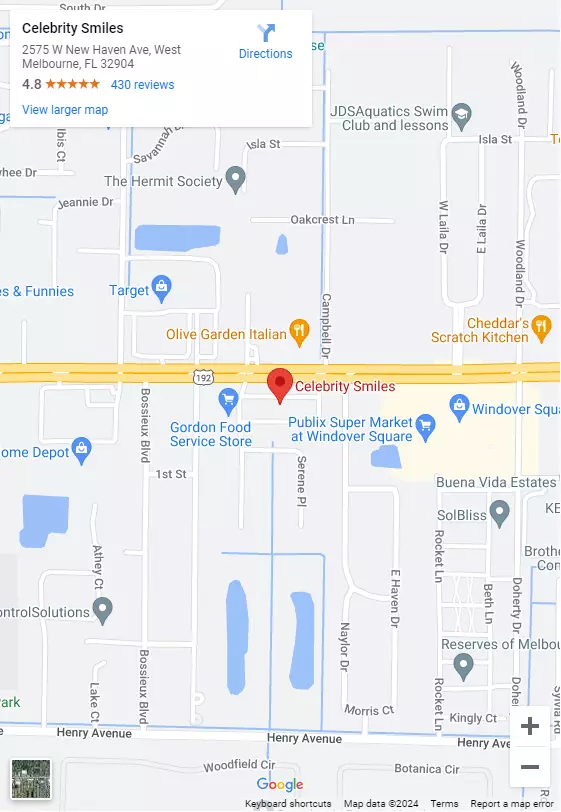
Celebrity Smiles Melbourne provides comprehensive dental care in West Melbourne, Florida. The practice offers emergency dental care information and encourages patients with pain to seek an evaluation. For appointment details, visit the contact page. The office phone is (321) 914-0929.
For general oral-health guidance, the National Institute of Dental and Craniofacial Research provides reliable dental health information. Its resources can support patient education, but they cannot assess an individual’s symptoms or replace a dental or medical evaluation.
Request an appointment to have wisdom tooth pain evaluated
Frequently Asked Questions
Can wisdom tooth pain go away on its own?
Discomfort can change over time, but temporary improvement does not establish the cause or mean the tooth is healthy. Arrange an evaluation if pain persists, returns, or worsens.
Does wisdom tooth pain always mean the tooth needs to be removed?
No. A dentist needs to examine the tooth and consider your symptoms and imaging, when appropriate. Monitoring or other care may be discussed, and extraction is not automatic.
Should I go to the emergency room for wisdom tooth pain?
Seek urgent medical care for difficulty breathing or swallowing, rapidly spreading swelling, or severe symptoms that make you feel acutely unwell. For other persistent or worsening dental pain, contact a dentist promptly for guidance.
What should I tell the dental office when I call?
Describe where the pain is, when it started, whether it is getting worse, and whether you have swelling, fever, drainage, or trouble opening your mouth. Mention relevant medical conditions, allergies, and medicines.
Persistent or worsening wisdom tooth pain deserves professional guidance, so contact a dentist to discuss an appropriate next step.