A toothache can interrupt a meal, a workday, or a drive across Brevard County before you can reach a dental chair. People searching for how to stop a toothache at home usually want the throbbing to ease right now. A short-term step can calm pressure for a while. It cannot show what is causing the pain. Celebrity Smiles in West Melbourne treats severe pain, swelling, and broken teeth as reasons to call, not as problems to solve from the kitchen. Use the steps below only while you arrange an exam.
Call (321) 914-0929 for a same-day toothache visit
What temporary steps can and cannot do
Home care has one job. It keeps you more comfortable while a dentist examines the tooth. A rinse does not fill a cavity, drain an infection, or tell you whether the tooth can be saved. The National Institute of Dental and Craniofacial Research explains that advancing tooth decay can cause a toothache and temperature sensitivity. If the tooth becomes infected, an abscess may form, bringing pain, facial swelling, and fever. Those signs need a professional exam, not another home remedy.
Pain that fades after a rinse is not proof the problem is gone. A cavity, a cracked tooth, food packed between teeth, or irritation around a tooth can all hurt in similar ways. Only an in-person visit can sort them out. If pain returns, gets sharper when you bite, or comes with a bad taste, call rather than repeating the same step all afternoon.
It also helps to notice the pattern before you call. A brief zing that stops when a cold drink is gone differs from a throb that continues. Pain limited to one tooth when you bite differs from a dull ache across the jaw. Write that pattern in a few plain words. The team can use the note during scheduling. The note still cannot replace an exam.
At Celebrity Smiles, Dr. Anand Shah, DMD, and the team keep same-day appointment time for unexpected emergencies. The office is at 2575 W New Haven Avenue in West Melbourne. The team can help you decide whether to come in now or whether a visit in the next few days is reasonable. If you have trouble breathing, trouble swallowing, or another medical emergency, call 911.
How to stop a toothache at home while you arrange care
Start with the gentlest step that matches what you feel. Stop any step that makes the pain worse. None of these steps is a treatment plan.
- Write down what changed. Note when the pain started, and whether it is constant or comes and goes. Note whether heat, cold, sweets, or biting sets it off. Mention swelling, a bad taste, bleeding, or a visible crack. Those details help the team when you call. They do not diagnose the tooth. A short note is enough. Time of day, which side, and what you were doing all help.
- Clear the area gently. Rinse away loose food with warm water. If something feels stuck, ease dental floss between the teeth once. Do not force the floss or dig at the gum with a toothpick, pin, or other sharp object.
- Use a warm-water rinse for a severe toothache. The emergency dental care page at Celebrity Smiles says severe toothaches benefit from a warm water mouth rinse. Swish, then spit. Skip very hot water, and do not hold alcohol, peroxide, or vinegar in your mouth as a remedy.
- Cool the outside of the cheek if the area is swollen or throbbing. The same emergency page says to apply cold packs to the outside of the mouth area when you have pain or swelling in the jaw or cheeks. Use a wrapped cold pack for short intervals, then take it off. Do not put heat on a swollen face, and do not place ice directly on the tooth or gum.
- Choose soft foods on that side. Skip ice, popcorn kernels, nuts, and other hard bites until a dentist has seen the tooth. Chewing on the other side can limit extra pressure while you wait.
- Follow the label on ordinary pain medicine, if it is safe for you. Read the package and stay within the dose it lists. Do not place aspirin, gels, or crushed tablets on the tooth or gum. Do not use leftover antibiotics or someone else’s prescription. Whether any medicine is appropriate depends on your health history, so ask the dental team or your physician if you are unsure.
If the pain is still severe after these steps, or if swelling is spreading, stop experimenting and call. Temporary comfort is not the same as care.
Which warning signs mean home care is not enough
Some symptoms should move you from a home step to a phone call right away. The West Melbourne office lists several issues that may need emergency care. Those include serious tooth pain and severe swelling or an abscess. They also include a cracked or chipped tooth, sudden sensitivity to hot or cold, a knocked-out tooth, and bleeding you cannot control.
Call the office the same day if pain keeps you from eating or sleeping. Call if pain returns after it seemed to ease. Swelling in the face or gums, fever, a bad taste, or pain after a fall or bite injury also belong on that same-day list. Trouble breathing or swallowing is different. Rapidly increasing swelling, or feeling seriously unwell, is a reason to seek emergency medical care. Do not wait for a routine dental slot in those cases.
A toothache that starts at bedtime has its own pattern. Lying down can make pressure feel stronger, and the quiet makes the throb harder to ignore. If that is what you are dealing with tonight, the guide to a toothache at night in West Melbourne covers that situation. This page stays with daytime steps and the decision to call.
| What you notice | A reasonable short-term step | When to call instead |
|---|---|---|
| Mild ache after eating, with no swelling. | Use a warm-water rinse and choose soft foods. | Call if the ache returns, worsens, or lasts through the day. |
| Throbbing with a puffy cheek or jaw. | Use a cold pack on the outside of the face only. | Call if swelling spreads, you feel feverish, or pain is severe. |
| Pain when biting on one tooth. | Chew on the other side and note when it hurts. | Call if you see a crack, a lost filling, or a high bite. |
| Sudden sensitivity to hot or cold. | Avoid the trigger and rinse with warm water. | Call if the zing lingers or the tooth has a visible break. |
| Bleeding you can see in the mouth. | Rinse with warm water and apply gauze. | Call if bleeding will not slow or a tooth feels loose. |
This table is a sorting aid, not a diagnosis. If you are unsure which row fits, describe the symptoms when you call. The team would rather hear from you early than have you wait through a worsening infection.
What to skip while you wait
Online lists often promise a fast way to numb a tooth. Several of those ideas can burn tissue or hide a problem that needs attention. Do not put aspirin, alcohol, clove oil, or other concentrated oils on the gum. Do not hold a cotton ball soaked in peroxide or vinegar against the tooth. Do not press a heat pack onto a swollen cheek.
Be just as careful with home mixes you see in short videos. Garlic, onion, or essential oils held on the gum can irritate soft tissue. A numbing gel used over and over can also mask pain you should report. If a step is not on the short list above, skip it and call. The goal is comfort while you wait, not a new sore next to the toothache.
Do not open the tooth with a pin, needle, or other household tool. Do not try to glue a broken piece back on. If a filling or crown has come off, keep the piece if you can and call. The guide to a filling that falls out explains that situation, and the page on chipped tooth repair covers a visible break. Neither replaces a same-day call when you are in pain.
Antibiotics are not a general toothache remedy. A dentist decides whether medicine is appropriate after an exam. Using leftover pills can delay the visit that would actually find the source.
What a same-day visit can look like
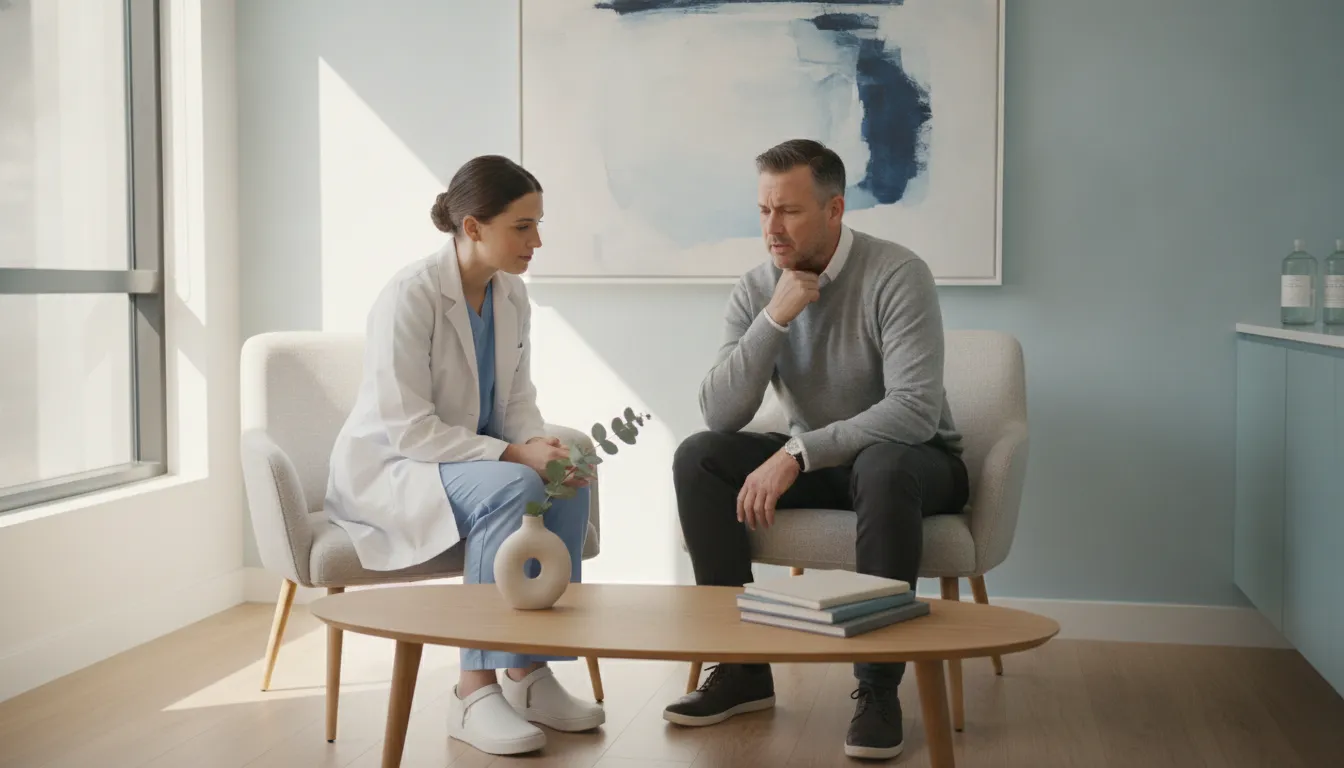
Celebrity Smiles is a private practice in West Melbourne, not a corporate chain. The office focuses on relationship-based care. It uses contemporary technology, including CBCT 3D imaging and digital intraoral scanning, when the exam calls for a closer look. Dr. Anand Shah, DMD, sees adults from West Melbourne, Melbourne, Palm Bay, Viera, and nearby Brevard County communities. Final recommendations depend on an in-person exam and a personalized plan. No page can promise that a tooth can be saved, or that a visit will be pain-free.
Patients often ask what to bring. A list of medicines, the name of your pharmacy, and a note about recent dental work are useful. If a piece of tooth, a filling, or a crown came out, bring it in a clean container. If you have dental insurance, the insurance information page explains what the office can review with you. Coverage and cost still depend on your plan and on what the exam finds. The office does not guarantee that a plan will pay for emergency care.
When you call, say when the pain started, what makes it better or worse, and whether there is swelling, fever, a bad taste, or a broken tooth. Mention any medicine you already took. The office keeps a few same-day openings for unexpected emergencies, and the team can tell you how soon to come in.
At the visit, the dentist looks at the tooth and the nearby gums. Images may be taken if they are needed to see what is happening under the surface. Depending on what the exam shows, the conversation might include watching the tooth or repairing it. It might also include root canal treatment in Melbourne, or tooth extraction if the tooth cannot be kept. Sedation options can be part of that conversation for patients who need extra comfort. Ask what was found, what the choices are, and what happens if you wait. Nothing on this page decides that for you.
Office hours are posted on the contact page. Monday runs later than the other weekdays, and the posted Saturday hours say closed. If you are reading this on a weekend, call first rather than assuming the door is open. A phone call is still the right first step for active pain, because the team can tell you how to be seen. New patients can also review what to expect as a new patient before the visit. That page does not replace the phone call when a tooth already hurts.
If the pain is tied to biting on one spot, the article on a tooth that hurts when biting down explains common patterns. If swelling and fever suggest infection, the guide to dental abscess treatment is the page to read after you have called. For a broader first-minutes plan that also covers a knocked-out tooth, see the dental emergency action guide.
Call (321) 914-0929 before the pain gets worse
Frequently asked questions
Can I stop a toothache at home for good?
No. A rinse, a cold pack, or label-dose pain medicine may take the edge off for a short time. They do not remove decay, repair a crack, or clear an infection. Plan on a dental exam even if the tooth feels better after you rinse.
Is a saltwater rinse safe to try?
The Celebrity Smiles emergency page recommends a warm water mouth rinse for a severe toothache. A mild warm rinse is a common short-term step. Do not swallow it, do not use very hot water, and stop if it stings or the pain jumps. It is not a treatment.
Should I put aspirin or clove oil on the tooth?
No. Placing aspirin, alcohol, or concentrated oils on the gum can irritate the tissue. Take ordinary pain medicine only as the package directs, and only if it is safe for you. Ask before using any medicine you are unsure about.
When should I call instead of waiting?
Call the same day for severe or returning pain, swelling, fever, a bad taste, a broken tooth, or pain after an injury. Call 911 for trouble breathing, trouble swallowing, or a rapidly spreading swelling. The office phone is (321) 914-0929. You can also request an appointment online, but a phone call is the faster path when you are in pain.
Will the pain going away mean I can skip the visit?
Not always. Pain can ease and still come back if the source is still there. Tell the team what you felt, even if the tooth is quieter when you call. An exam is how you find out whether it is safe to watch the tooth or whether it needs care now.