Dental bone graft recovery can look different from one person to another. The graft’s location and size, the reason for treatment, your health, and whether an extraction or implant was done at the same visit can all shape the experience. Your dentist’s instructions are the guide for your own case. This article covers common recovery questions and when to ask for help; it cannot determine whether a symptom is normal for you.
Request an appointment to discuss your bone graft
What happens during the first few days?
After grafting, the area may feel tender, and some swelling or light oozing can occur. The amount and duration vary. Anesthetic can leave your mouth numb for a while, so take care not to bite your cheek or tongue or burn your mouth with hot food or drink. Follow the directions your dental team gives you about medication, eating, rinsing, and activity.
If possible, plan a quieter schedule on the day of treatment. Rest and avoid strenuous activity for the period your clinician recommends. Do not probe the surgical site with your fingers or tongue. If a dressing or protective material is present, leave it alone unless the dentist tells you otherwise. These basic precautions help you avoid disturbing an area that is still being assessed and protected.
- Use medicines only as directed by your dental team or the product label.
- Choose foods that are easy to manage and avoid chewing directly over the treated area unless instructed otherwise.
- Keep the rest of your mouth clean, taking care around the site as directed.
- Call the office if an instruction is unclear rather than improvising or following advice meant for a different procedure.
Before treatment, ask the office to review the written instructions with you. Confirm which number to use if you have a concern after hours, whether you should arrange a ride if sedation is planned, and whether a follow-up appointment is already scheduled. Having a plan in hand can make the first evening less stressful.
How does dental bone graft recovery progress?
Early comfort and deeper bone healing are different stages. You may feel better before the graft has finished integrating. Cambridge University Hospitals explains in its patient information about bone grafting for dental implants that graft material acts as a scaffold for a person’s own bone to grow into; this process may take four to twelve months. That range is not a personal forecast. Your dentist can explain the expected timetable for the graft type and treatment plan under consideration.
During follow-up, the dentist checks healing and decides when it is appropriate to move to the next step, if one is planned. For implant treatment, timing can depend on the amount and location of grafting, examination findings, and imaging. Do not assume that a calendar estimate means an implant or another procedure will be suitable on a particular date.
The stages can feel confusing because symptoms and healing do not always move at the same pace. For instance, less tenderness does not prove the site is ready for an implant, and a planned follow-up date is an opportunity to assess rather than a promise that treatment will proceed. Keep the appointment even when you feel well, and contact the practice if you cannot attend so the team can advise you.

The practice’s dental implant information may help you understand the broader treatment topic, but only your clinician can explain how it relates to your planned graft. If you have been given a timeline by another dental professional, bring it to your visit and ask which milestones are clinical checks and which are estimates.
Which factors can affect healing?
There is no single recovery schedule for every graft. A useful conversation begins with specifics about your procedure and health. Ask where the graft is, how extensive it is, and what the dentist expects to monitor. The team can also tell you whether grafting was done alone or alongside an extraction, implant placement, or another procedure, since the combined plan can change the instructions you need to follow.
- Where is the graft, and how much area was treated?
- What graft material and protective measures are being used?
- What foods, rinses, brushing approach, and activity limits apply to this procedure?
- What medical conditions, medicines, supplements, or allergies should the team know about?
- Does tobacco or nicotine use affect the care plan, and what steps does the clinician recommend?
- What signs should prompt a call, and which contact route should you use?
Share your complete health and medication history, including supplements and allergies. Do not stop a prescribed medicine on your own. If you smoke or use nicotine, tell the clinician and ask how it may affect your care. A personalized exam is needed to assess healing and make recommendations. The goal is not to predict a problem from a checklist, but to give the team the context needed to tailor instructions.
If another provider placed the graft, request a copy of the procedure notes and any relevant imaging if available. A clear record can help the clinician understand what was done, when it occurred, and what follow-up was recommended. Do not delay a call about a concerning symptom while waiting to collect records.
What can you eat and how should you clean the area?
Follow the specific food and cleaning directions you receive. Patients are often advised to start with soft foods and avoid hard, crunchy, very hot, or sharp foods that could irritate the site. The precise restrictions and duration depend on the procedure. Drink enough fluids, but ask before using straws if your dental team has cautioned against them.
Think through meals before the procedure so you do not have to make choices while numb or uncomfortable. Soft options might include foods that require little chewing, provided they fit your clinician’s instructions and any other dietary needs. Avoid experimenting with a food that could scrape or lodge near the site. If chewing on the other side is comfortable and permitted, use that approach only as advised by your dentist.
Oral hygiene still matters, but the surgical site may need special care. Your dentist may tell you when and how to rinse, brush nearby teeth, or use a prescribed rinse. Avoid vigorous rinsing or brushing directly over the graft unless instructed. If food seems trapped or the area looks different, contact the office for advice instead of trying to dislodge material with a tool.
Written post-operative directions should take priority over general tips. If the instructions say to avoid a particular action for a set period, follow that guidance rather than assuming another patient’s routine applies. If you are unsure whether to brush or rinse near a specific area, ask the office to clarify. A quick question is safer than forcefully cleaning a site you were told to protect.
How do common recovery expectations compare?
This overview is a conversation aid, not a timetable or diagnostic tool. Use the final column to turn a general expectation into a specific question for your dentist.
| Stage | What you may notice | What to ask or do |
|---|---|---|
| First day | Numbness as anesthetic wears off; tenderness or light oozing may occur | Follow written directions and protect the area from accidental biting |
| First several days | Some soreness or swelling may occur; experience varies | Use the advised care plan and call about symptoms that concern you |
| Follow-up period | The site is assessed while deeper healing continues | Attend scheduled checks and ask what milestones matter for your case |
| Months afterward | Bone growth and integration may continue beyond when you feel comfortable | Wait for clinical assessment before a planned next treatment |
For example, if the office expects to review the site in a few weeks, that visit does not necessarily mean the graft will be fully healed by then. It may be an early check of the tissue and your symptoms. If a later implant is being considered, ask what evidence the dentist needs before recommending it, whether another check is expected, and how the plan could change if the site needs more time.
Which symptoms should prompt a call?
Contact your dental office promptly if pain or swelling is worsening rather than following the instructions you were given, bleeding does not settle as expected, you develop a fever, or you notice drainage, a bad taste, or another change that concerns you. These symptoms do not establish a diagnosis, but they deserve personalized guidance. If you have trouble breathing or swallowing, seek emergency medical care.
When you call, describe when the symptom began, whether it is changing, and any medicines you have taken. Be specific: explain whether swelling is stable or increasing, whether you can drink, and whether anything changed after eating or taking a medicine. If you are uncertain whether to wait, call rather than relying on an online timeline. For urgent dental concerns, see the practice’s emergency dental care information.
If you leave a message, follow the office’s instructions for urgent concerns and do not assume a message has been received immediately. For a severe or rapidly worsening issue, use the appropriate emergency care route. The purpose of these steps is to get timely individualized advice, not to label the cause yourself.
How can you prepare for follow-up care?
Bring your questions and a current list of medicines to the follow-up visit. Note what has improved, what remains uncomfortable, and any instructions that have been difficult to follow. Ask the dentist to explain the exam findings in plain language and what would need to be true before the next phase of treatment.
If an implant is part of your plan, ask whether another healing check or imaging is needed and how the team will decide that the site is ready. Celebrity Smiles describes its use of CBCT 3D imaging and digital dental technology; whether a specific scan is appropriate depends on the clinical situation. You can review the practice’s dental providers and services before your visit.
A practical way to prepare is to write down a short timeline: procedure date, first symptoms, changes you noticed, and any questions about food, cleaning, or activity. Bring the written instructions or a photo of them if a point is unclear. If you are seeing a different dentist from the one who performed the graft, say so when scheduling and ask what records will be useful.
You may also want to ask the team to explain the treatment sequence in plain terms: what is happening now, what will be checked next, and what could affect the timing. If an implant is only one possibility, ask what alternatives are relevant and what information is needed before comparing them. The goal is to leave knowing the next action, not to make a decision based on a generic recovery chart.
What should you ask before leaving the office?
- Which area was grafted, and what should it look and feel like as it heals?
- What foods, rinsing, brushing, and activity limits apply to me, and for how long?
- Which symptoms mean I should call the practice promptly?
- When is my next check, and what will the dentist evaluate?
- What factors determine the timing of any planned implant or restorative step?
- Who should I contact if I have a concern outside the usual office visit?
It can help to repeat the plan back to the clinician: “I will follow these instructions until this date, call if these changes occur, and return for this check.” This gives the team a chance to correct misunderstandings before you leave. If a direction conflicts with printed material or advice from another provider, ask which instruction applies to your case.
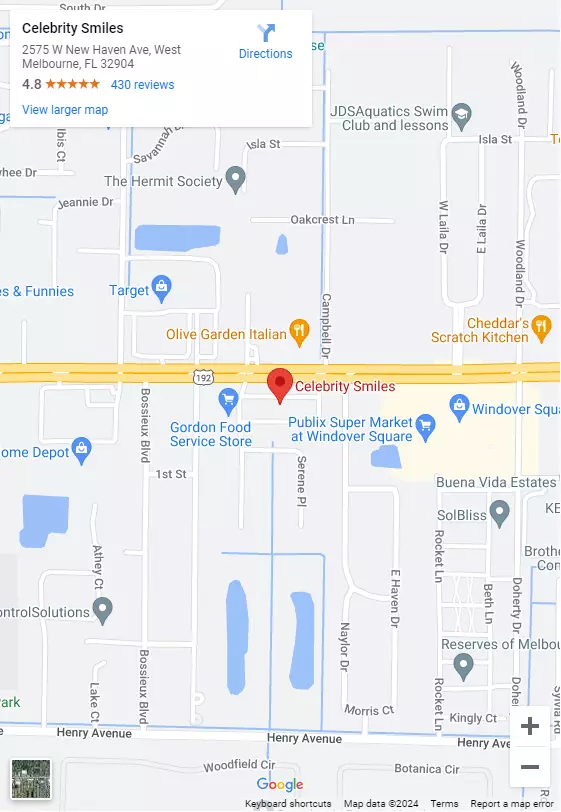
For appointment planning, the new patient information page may help you prepare. You can ask whether records or imaging from another dental office would be relevant to your consultation. Celebrity Smiles Melbourne provides dental care in West Melbourne, Florida; its practice information offers additional background before a visit.
Request an appointment at Celebrity Smiles Melbourne
Frequently Asked Questions
How long does dental bone graft recovery take?
Initial tenderness and swelling, when present, are different from the longer process of bone growth. Cambridge University Hospitals describes a four-to-twelve-month timeframe for bone to grow into graft material in its implant-grafting patient information. Your dentist can explain the anticipated stages for your specific procedure.
Can I return to work after a bone graft?
That depends on the procedure, how you feel, and your work demands. Ask your dental team whether you should plan time away, particularly if your work involves physical exertion. Follow your own post-treatment directions and avoid treating a general estimate as clearance for strenuous work.
Is swelling after a graft always a problem?
Some swelling may occur, but this article cannot tell whether a particular change is expected. Contact your dentist if swelling is worsening, concerns you, or comes with other symptoms, and follow the instructions given to you.
When can I have a dental implant after grafting?
There is no universal date. A dentist assesses healing and other clinical factors before recommending a next step. Attend follow-up visits and do not use a general timeframe as clearance for treatment.
What is the next step?
If you are considering grafting or already have a recovery question, arrange a discussion with a dental professional. Celebrity Smiles Melbourne provides dental care in West Melbourne, Florida, and an individualized exam can help the team review your concerns and explain what next steps may fit your situation.