Choosing dental care west melbourne adults can feel confident about starts with more than finding a nearby office. Consider the care you may need, how the dentist explains options, and whether the appointment process fits your life. This guide offers questions to help you compare preventive, cosmetic, restorative, implant, and urgent dental care in West Melbourne, Florida.
Request an Appointment at Celebrity Smiles Melbourne
What does comprehensive dental care include?
Comprehensive care gives you a chance to discuss different oral health needs in context. A patient may want a routine checkup, have a tooth that needs attention, and be considering a change to their smile. Those concerns can connect, but the next step depends on an individual exam, health history, and personal goals. A website can describe services; it cannot decide which treatment is right for you.
As you evaluate local options, look for understandable information about general and preventive dentistry, cosmetic care, restorative treatment, replacement of missing teeth, and how to ask for help with an urgent concern. Review the practice’s dental services and note which areas you want to discuss. If you have several concerns, ask whether they can be reviewed together and how the dentist will help prioritize them.
Comprehensive care is not a promise that every procedure suits every person or can be completed in one visit. It is an opportunity to explain what matters to you, understand possible options, and discuss a personalized plan. You should be able to ask questions before deciding how to proceed. Think of your first conversation as information gathering, not a commitment to a particular treatment.

How can you evaluate preventive and general care?
Preventive care helps you keep up with routine oral health needs and talk through changes you have noticed. When you compare practices, ask what a typical first visit includes, how the team gathers your dental and medical history, and how recommendations are explained. Ask how often follow-up visits may be appropriate for you. The answer should account for your needs rather than promise the same schedule to every patient.
It can help to consider the first visit in stages. First, share your health history, medications, prior dental care, and main concerns. Next, ask what the dentist plans to assess and whether any records or images may be useful. Then, ask the dentist to explain findings and distinguish immediate concerns from topics that can be discussed later. Before you leave, make sure you understand the suggested next step and whom to contact if a question comes up.
- What should I bring, such as a medication list or prior dental records?
- How will the dentist explain findings and recommendations?
- Can I ask questions about a proposed plan before making a decision?
- What should I do if a concern changes between appointments?
Communication and comfort are part of the care experience. Tell the team if visits make you anxious, if you have sensory or mobility needs, or if you prefer an explanation before each step. You can ask what comfort options are available, including whether sedation dentistry is appropriate to discuss. Suitability and recommendations require an in-person evaluation.
The practice’s comprehensive care information can help you prepare a list of questions about multiple needs. The American Dental Association also offers patient education and oral-health information on its website. General information can help you prepare, but it does not replace advice based on your own exam.
What should you ask about cosmetic dental care?
Cosmetic concerns often sit alongside questions about oral health. You may be considering a brighter smile, a change to the shape or appearance of a tooth, or a way to address more than one feature. A useful consultation starts with what you hope to change and a conversation about the condition of your teeth and gums before exploring options.
Ask the dentist to explain which options may fit your goals, what each involves, and what care or maintenance may be needed afterward. If you are considering whitening, veneers, or another cosmetic service, ask how the dentist will assess suitability. Results, timing, and treatment recommendations vary. A general description or photograph cannot predict your individual outcome.
Before a consultation, write down your priorities. For example, you may care most about a natural-looking appearance, the number of visits, maintaining existing tooth structure, or how a proposed treatment fits with other dental needs. Review the practice’s cosmetic dentistry services and its teeth-whitening information, then bring questions about what may or may not be appropriate for you.
How do restorative care and dental implants differ?
Restorative care addresses teeth that are damaged, weakened, or missing. Options depend on the tooth or teeth involved, their condition, and your overall oral health. After an examination, a dentist may discuss a filling, crown, bridge, implant, or another approach. Ask what the recommendation is intended to address, what alternatives exist, and what the treatment process involves.
A crown may be considered when a tooth needs more coverage or support than a filling can provide. A bridge may replace one or more missing teeth by using nearby teeth or implants for support, depending on the design. A dental implant is planned in relation to the jaw and surrounding teeth. These are broad descriptions, not personal recommendations; an in-person exam is needed to determine which choices could be appropriate in your circumstances.
If you are exploring a bridge, review the practice’s dental bridge information. If you are considering an implant, read about dental implants and implant care and ask what evaluation and planning involve. Useful questions include whether imaging or other records are needed, what healing and follow-up may involve, and which alternatives should be considered. Do not assume one solution fits every missing tooth or patient.
It can also help to ask how the dentist will explain the sequence of care. If more than one step is recommended, ask what each step is meant to accomplish, whether the order matters, and what decisions you need to make now. Request plain-language explanations of any terms you do not recognize. You can take time to review a proposed plan and ask follow-up questions before moving forward.
When should you ask about urgent dental care?
Tooth pain, a broken tooth, a lost filling, swelling, or another sudden change can be stressful. Do not try to diagnose the cause from symptoms alone. Contact a dental practice promptly and describe what happened, when it began, and whether it is getting worse. The team can advise you about the next step based on the information you provide and an examination when needed.
For an urgent concern, ask how to reach the practice, what information to share, and whether an evaluation is needed. The emergency dental care page explains how to get in touch about urgent dental needs. A dental office is not a replacement for emergency medical services. If you believe you are experiencing a medical emergency, seek emergency medical help.
When you call, be ready to explain the location of the concern, what changed, and any relevant health information. Ask what to do while arranging care and whether there are specific instructions for your situation. If symptoms change or worsen, contact the practice again and describe the change. Do not rely on online descriptions to decide whether a problem can safely wait.
What role can dental technology play in your care?
Technology may support parts of an exam or treatment plan, but it does not replace a dentist’s judgment or a conversation about your needs. Ask what a recommended image or digital scan is meant to show, how it may affect the plan, and whether there are alternatives. The team should be able to explain the purpose in language you understand. It is reasonable to ask what records will be taken and how they fit into the evaluation.
Some practices use tools such as CBCT 3D imaging or digital intraoral scanning for specific diagnostic and planning tasks. Whether a tool is useful depends on the individual case. Do not assume a particular technology is needed for every patient or that its use guarantees a certain outcome. You can review the practice’s dental technology information and ask how a proposed step applies to you. A clear explanation can help you understand both the recommendation and the choices that remain yours.
What practical details should West Melbourne patients consider?
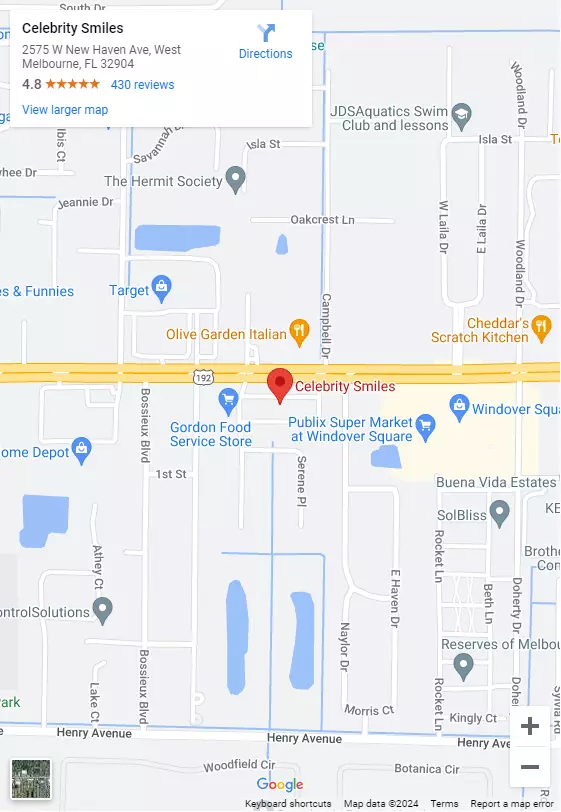
Convenience can shape how easy it is to keep appointments and follow a care plan. Consider travel from home or work, the office location, and how you will request or change an appointment. Adults in West Melbourne, Melbourne, Palm Bay, Viera, Suntree, Indialantic, Indian Harbour Beach, Satellite Beach, and nearby Brevard County communities can confirm the route and appointment details directly with the practice. Do not assume that every type of appointment is available at every time.
Before a visit, ask how the office handles new-patient paperwork, record transfers, and questions about a proposed treatment plan. If you have a scheduling or access need, raise it when you contact the office. The new patient information can help you prepare. For care that may involve several steps, ask how you will receive follow-up instructions and whom to contact if something is unclear. These practical details do not determine clinical quality, but they can help you decide whether the process is workable for you.
How can you compare local dental care options?
A comparison is most useful when it focuses on your needs rather than an attempt to rank practices from a distance. Use the table to organize questions for a phone call or consultation. Answers may differ by practice and patient, so confirm details directly and ask for an explanation that relates to your situation.
| Care area | What to understand | Questions to ask |
|---|---|---|
| Preventive and general | What an exam includes and how follow-up is discussed | What happens at a first visit, and how are recommendations made? |
| Cosmetic | How your goals fit with oral health and possible maintenance | Which options may suit my goals, and what care may follow? |
| Restorative | What the proposed treatment addresses and what alternatives exist | Why is this option recommended, and what are the other choices? |
| Missing teeth and implants | What evaluation and planning may be involved | What information is needed to discuss possible next steps? |
| Urgent concerns | How to contact the practice and share a change in symptoms | Who should I contact, and what should I do if symptoms change? |
| Cost and payment | What written plan or payment information is available | What does the proposed plan include, and what should I confirm? |
Cost questions deserve a specific conversation. Fees can depend on the examination, proposed treatment, and individual circumstances. Ask for an explanation of the recommended care and any written estimate available before treatment. If you plan to use dental insurance or another payment option, confirm eligibility, coverage, and terms with the relevant provider. You can review the practice’s financial information and dental insurance information, then confirm current details directly. Do not assume a service or payment arrangement applies to everyone.
For a fair comparison, use the same questions with each office. Ask who will explain the plan, how you can request clarification, and what information you will receive afterward. Consider travel, appointment availability, accessibility, and whether the communication style helps you feel informed. A website or phone conversation can help you decide what to ask next, but clinical advice should be based on an exam and your individual needs.
How can you make a practical shortlist?
When several practices appear to offer the care you are seeking, narrow the list with information you can verify. Start with the specific need that brought you to search, then check whether each practice describes relevant services and how to arrange an evaluation. A service list is a starting point, not a promise that a particular procedure is appropriate for you.
Next, compare the way each office answers basic questions. You might call or use the appointment form to ask what information to bring, how a new-patient visit is arranged, and whom to contact about a concern. Notice whether the response helps you understand the next step. You are not looking for a treatment decision over the phone; you are checking whether the process is clear enough for you to arrange an in-person conversation.
Finally, consider practical fit. Think about travel, appointment timing, accessibility, and how you prefer to receive explanations. If you have a specific concern, such as a missing tooth or a cosmetic goal, ask how to make sure enough time is set aside to discuss it. Keep a short note of each office’s answers so you can compare like with like instead of relying on memory. You can then choose where to start based on your priorities, while keeping in mind that the dentist’s exam and personalized plan will determine the clinical options.
How should you prepare for a first dental appointment?
A little preparation can help you use an appointment well. Before you go, list the concerns you want to discuss. Note when each began, what seems to make it better or worse, and any changes you have noticed. This is useful context for the dentist, but it does not establish a diagnosis by itself. If you have several questions, mark the one you most want answered so it is not lost in a longer conversation.
- Bring a current list of medications and relevant health information.
- Gather available dental records or recent images if they can be transferred.
- Write down questions about priorities, options, timing, and follow-up.
- Tell the office about dental anxiety, accessibility needs, or other concerns before your visit.
- Ask how to contact the practice if you think of another question afterward.
If you are new to the area or changing practices, ask how to arrange a record transfer and whether there is anything else to complete before the visit. Review the office’s provider information if you want to learn about the dental team. Bring questions about your own situation to the appointment rather than assuming a general description predicts the care you will receive.
What if you have several dental goals at once?
When you have more than one concern, tell the dentist which matters most to you and whether anything causes discomfort or affects daily activities. Ask how the concerns relate, whether they need to be addressed in a particular order, and what can wait for a later visit. The dentist can explain findings and help you consider a plan in light of oral health, preferences, and practical needs.
For example, a patient may want to discuss a damaged tooth and also ask about the appearance of nearby teeth. Rather than deciding on a cosmetic procedure first, ask the dentist to explain the condition of the tooth, the options for addressing it, and how any later cosmetic choices might fit. Another patient may be concerned about a missing tooth while managing a busy schedule. Ask what evaluation is needed, what steps could be involved, and how to plan follow-up. These examples are prompts for discussion, not recommendations for an individual case.
You do not have to decide on every treatment during an initial conversation. It is reasonable to ask for clarification, review the proposed steps, and take time to consider your options. If something in the plan is unclear, ask the office to explain it in plain language. A shared understanding can help you make an informed choice about what to do next.
Request an Appointment to Discuss Your Dental Care
Frequently Asked Questions
How do I choose a dentist in West Melbourne?
Start with the kinds of care you want to discuss, the practice’s communication style, and practical details such as location and appointment process. Review service information and ask how the dentist evaluates your needs. An examination is needed before a personal treatment recommendation can be made.
Can one dental practice help with preventive, cosmetic, and restorative needs?
Some practices offer several types of care, but services and recommendations vary. Check current service information and ask whether your concerns can be discussed together. Your dentist can explain what may be suitable after an in-person evaluation.
Should I wait if a tooth starts hurting?
Contact a dental office promptly for guidance rather than trying to identify the cause yourself. Explain when the discomfort began and whether it has changed. Seek emergency medical help if you believe the situation is a medical emergency.
Can I get a treatment recommendation from a website or phone call?
Online information and a phone conversation can help you prepare and understand how to arrange care. They cannot replace an examination. Recommendations depend on an in-person exam and a personalized treatment plan.
What is the next step?
Start by identifying your main concern, writing down a few questions, and arranging an evaluation with a practice that offers the kinds of care you want to discuss. Celebrity Smiles is a dental practice in West Melbourne, Florida, where adults can ask about preventive, cosmetic, restorative, implant, and urgent dental needs. Contact the office to discuss an appointment and the next steps for your situation.