Enamel veneers can be a way to address selected concerns with the visible surfaces of teeth, but planning should begin with the health and structure of each tooth—not a promise of a particular look. The amount and location of any preparation matter, and preserving healthy enamel may be one factor in how a dentist considers bonding and long-term care. If you are weighing veneers, this guide explains what to discuss before choosing a treatment.
Request an Appointment at Celebrity Smiles Melbourne
What does enamel preservation mean when planning veneers?
Enamel is the hard outer layer of a tooth. When a veneer is planned, a dentist assesses whether the tooth needs preparation and, if so, where and how much. A plan that retains more sound enamel may be desirable in some situations, but that does not mean every veneer can be placed without preparation or that a particular outcome is guaranteed. Tooth position, existing restorations, bite, shape, and the amount of change being considered all matter.
The phrase “enamel veneers” can refer to veneers planned with an emphasis on keeping preparation within enamel. It is not a single treatment specification that applies identically to every patient. The dentist needs to evaluate your teeth and explain what the proposed plan would involve. A research summary titled The Success of Dental Veneers According to Preparation Design and Material Type notes the importance of limiting preparation to enamel for bonding strength. That is a consideration to discuss—not proof that a specific design is right for your teeth.
Before considering appearance, a dentist may look for decay, gum concerns, cracks, wear, old fillings, and changes in how the teeth meet. Any active dental problem may need attention first. If you have questions about the practice’s cosmetic dentistry options, an exam can help you understand whether veneers belong in the discussion or another approach may better suit your needs.
Which concerns might lead someone to ask about enamel veneers?
People often ask about veneers when they would like to change the appearance of one or more front teeth. A consultation can clarify the specific concern rather than assume veneers are the answer. For example, a person may want to discuss the appearance of a small chip, uneven edges, visible discoloration, or a gap. Those concerns can have different causes and may call for different options.
Think about what you would like to change in everyday terms. Is the concern about color, shape, spacing, or the way a tooth looks next to its neighbors? Does it affect one tooth or several? Has the appearance changed recently? These details help focus the conversation. Bring a list of priorities, but stay open to the dentist explaining limits, risks, or alternatives.
Veneers are not a substitute for diagnosing a new symptom. If a tooth hurts, feels unusually sensitive, has a crack, or has changed suddenly, explain that when requesting an exam. An appearance-focused treatment plan should not overlook tooth health. You can also review the practice’s range of dental services to see how general and cosmetic care can be discussed together.
How might a dentist assess whether a veneer plan is suitable?
Suitability is determined individually. A dentist may ask about your goals and dental history, examine the teeth and gums, assess your bite, and consider existing fillings or other restorations. Images or digital scans may be useful when they help evaluate the case and plan care. The practice describes its use of dental technology, including digital tools; the specific records needed depend on the exam.
It can help to separate the desired appearance from the clinical question. A patient may ask for brighter, more even front teeth, while the exam may reveal that tooth position, wear, or gum health should be considered first. The dentist should explain what is observed, what remains uncertain, and whether any additional assessment is appropriate. If several teeth are involved, ask how the plan treats each one rather than assuming the same preparation applies throughout.
A careful assessment also considers whether the requested change can be made while keeping the result functional and maintainable. If teeth are crowded or rotated, for instance, adding material to their fronts may not be the only approach to discuss. If the main concern is shade, whitening may be relevant for some people, though it does not change the color of restorations. If a tooth has substantial damage or an existing large restoration, a veneer may not be the only option the dentist considers.
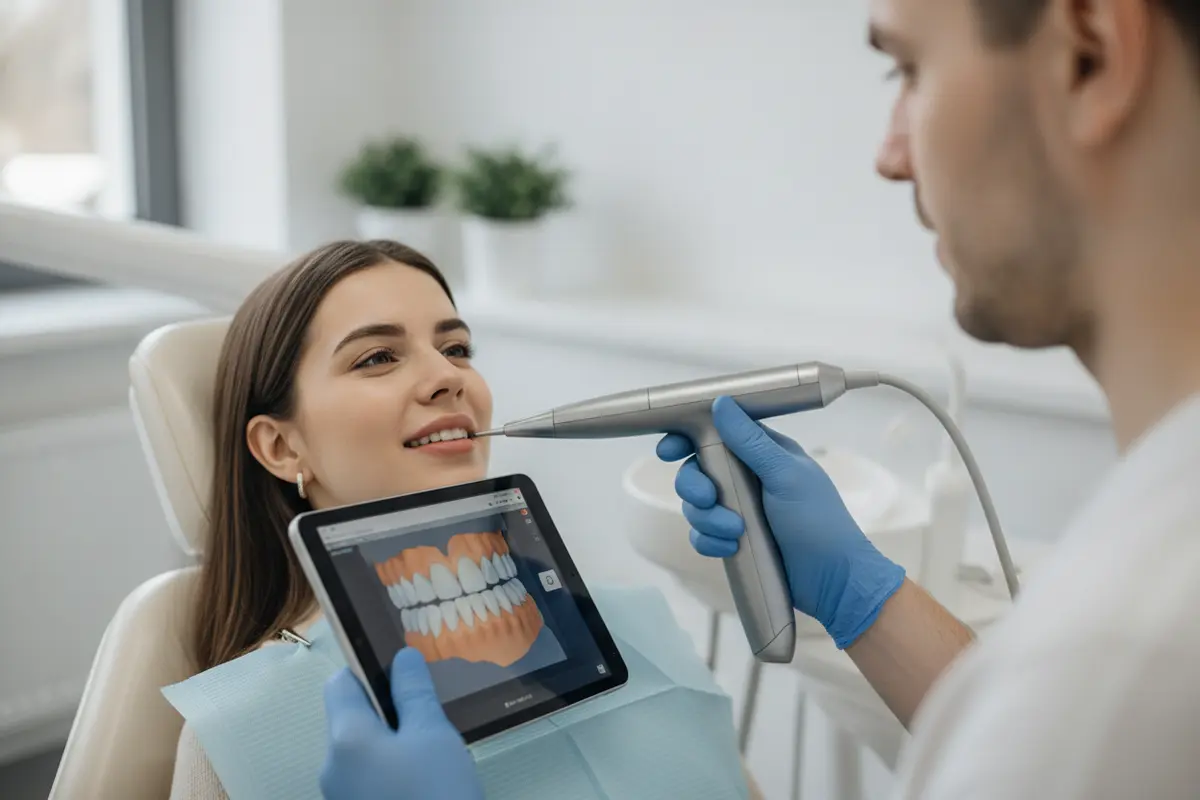
The key is to ask what the examination shows and how it connects to each proposed step. A scan or photograph can support a conversation, but it does not replace a clinical evaluation. Celebrity Smiles is a privately owned practice led by Dr. Anand Shah, DMD. A personalized recommendation depends on an in-person exam and treatment plan.
What can preparation involve, and what should you clarify?
Preparation describes any reshaping or adjustment of the tooth surface before a veneer is placed. The amount varies by tooth and treatment plan. Some cases may require little or no reduction in selected areas; others may need more preparation to address the tooth’s position, shape, or the intended result. Do not assume that “enamel veneer” means no tooth preparation, a reversible procedure, or the same process for every patient.
Ask the dentist to explain the proposed preparation tooth by tooth, including whether it is expected to remain in enamel and why. Find out what the dentist would do if the desired appearance cannot be achieved while keeping the planned amount of enamel. Ask whether existing fillings or wear change the assessment. You can request a plain-language explanation of what is permanent, what alternatives exist, and what care may be needed later.
Patients sometimes compare “no-prep” and prepared veneers as if one is universally preferable. The more useful question is whether the design fits your teeth and goals. Adding a veneer without enough room or without considering the bite can affect shape and feel. More preparation also has trade-offs. Your dentist should explain the benefits, limitations, and uncertainties of the proposed design instead of promising a particular result.
You can ask whether the plan involves enamel only, whether a different surface or amount of preparation is anticipated on any tooth, and what influences that decision. If the dentist proposes a change beyond what you expected, ask to review the reason before agreeing. It is acceptable to take time to consider an elective treatment, request a written plan, or seek another professional opinion. The goal is to understand the trade-offs for your own teeth, not to select an option solely because its name sounds more conservative.
How do veneers compare with other options?
Several treatments may be discussed for concerns that look similar from the outside. The right comparison depends on the cause, the health of the tooth, and the change you want. This table is a starting point for questions, not a diagnosis or recommendation.
| Option to discuss | May be considered for | Key planning question |
|---|---|---|
| Enamel-focused veneer plan | Selected changes to the visible surface of a tooth | How much preparation is needed, and can it remain within enamel? |
| Dental bonding | Some small shape or edge changes | Would bonding address the concern, and how might it need maintenance? |
| Teeth whitening | Changing the shade of natural teeth | Is discoloration the main concern, and are restorations present? |
| Orthodontic treatment or clear aligners | Some spacing or alignment concerns | Would moving teeth address the issue more directly? |
| Crown or another restoration | Teeth with structural concerns that need broader coverage | What does the tooth’s condition call for, and what alternatives are reasonable? |
These categories can overlap, and a treatment may not be suitable just because it appears in the table. For example, a small chip and a deep crack are not the same problem. A dentist can explain whether a conservative repair, a cosmetic approach, or restorative care is worth considering. Learn more about porcelain crowns or clear aligners as possible discussion topics; the pages do not determine which treatment is appropriate for an individual.
Ask how each alternative would address your particular concern and what it would leave unchanged. Whitening may affect natural tooth shade but not reshape an edge. Bonding can add or repair material in selected situations, while aligners focus on tooth movement rather than covering the surface. Crowns cover more of a tooth than veneers, so the condition of the tooth matters when comparing them. Your dentist can explain whether an option is suitable and what its maintenance or limitations may be.
What questions should you bring to a veneer consultation?
A good consultation should leave you with a clear understanding of the plan and the choices available. Consider bringing these questions:
- What is causing the concern I want to change?
- Which teeth would you treat, and why?
- How much preparation do you anticipate for each tooth?
- Will the planned preparation remain in enamel? If not, what does that mean for my options?
- Could bonding, whitening, aligners, or another approach address my goal?
- How might my bite, clenching, or existing dental work affect planning?
- What are the limitations and possible maintenance needs of each option?
- What steps would happen before, during, and after treatment?
- What should I expect for timing and total cost, and what items could change that estimate?
Ask for the answers in terms you understand. If you feel rushed or remain uncertain, it is reasonable to pause and request clarification before making a decision. A smile preview or digital image can help convey an idea, but it should not be taken as a guarantee of the final appearance. Discuss how the proposed design relates to the actual tooth structure and bite.
How can you prepare for the appointment and compare a plan?
Before the visit, note your main concern and any relevant history, such as previous dental work, sensitivity, chipped teeth, or a habit of grinding. Bring a list of medications and questions. If you have photographs that show how your smile looked before a change, you may ask whether they would be useful. Tell the dentist what matters most to you, such as keeping treatment conservative, changing a specific feature, or understanding costs before proceeding.
After the exam, compare plans by more than the label or the amount of preparation. Review which teeth are included, what condition each tooth is in, what alternatives were considered, and what follow-up may be needed. Ask whether the estimate includes all proposed stages and how payment options work. Current costs, insurance benefits, and financing terms depend on the details and should be confirmed directly; do not assume coverage or approval. The practice has a financial information page where you can begin a conversation about payment questions.
If you receive more than one proposed plan, compare the clinical details alongside the estimates. Check that each document describes the same teeth, intended treatment, and stages, or ask the office to explain differences. Clarify whether diagnostic records, temporary restorations, follow-up visits, or future repairs are included or billed separately. These questions can prevent misunderstanding, but the office must confirm the current details; estimates are not a guarantee of coverage or final out-of-pocket cost.
Also ask what happens if you decide not to proceed now. Some concerns can be monitored, while other conditions may need timely attention. The dentist can explain any health-related priority and whether delaying a cosmetic decision is reasonable. If you are new to the office, the new patient information page may help you prepare for a first visit. You can contact the office with logistical questions before booking.
What should you expect after a decision?
If you decide to pursue treatment, the dentist should review the sequence, expected appointments, and care instructions based on your plan. Do not assume every case can be completed in the same number of visits or on the same schedule. Ask who to contact if discomfort or a concern occurs afterward, and how routine dental visits will support ongoing care.
Veneers require attention to daily oral hygiene and regular professional assessment, like other dental work. Ask about habits that could put pressure on teeth, such as chewing hard objects or clenching, and whether a protective appliance is appropriate for you. The dentist can give guidance tailored to your mouth and the materials used. If your goals change or a veneer is damaged, arrange an evaluation rather than trying to repair it at home.
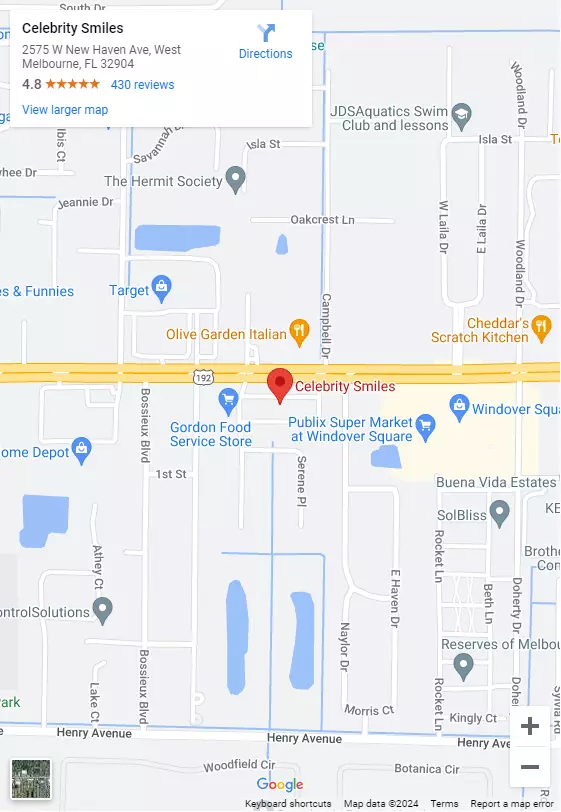
For people in West Melbourne and nearby communities, a consultation is an opportunity to understand both the cosmetic possibilities and the limits of treatment. Celebrity Smiles serves patients from West Melbourne, Melbourne, Palm Bay, and surrounding Brevard County communities. You can review the practice’s cosmetic care information and discuss your options with a dental professional.
Request an Appointment to Discuss Enamel Veneers
Frequently Asked Questions
Do enamel veneers always avoid tooth preparation?
No. The amount and location of preparation depend on the teeth and the planned result. Ask the dentist to explain the expected preparation for each tooth and whether it is intended to remain within enamel.
Are enamel veneers reversible?
Do not assume that veneers are reversible. If tooth structure is adjusted, that change is permanent. Ask what preparation is proposed and what future care may involve before choosing treatment.
Can veneers cover any discoloration?
Not necessarily. The cause and depth of discoloration, the condition of the tooth, and the material and design all affect what may be possible. A dentist can discuss whether whitening or another option should be considered.
How do I know whether veneers or aligners are a better fit?
They address different concerns, although appearance goals can overlap. A dental evaluation can help determine whether the main issue is tooth position, surface shape, color, or another condition and explain which options are reasonable.
Can a consultation tell me the exact cost right away?
The office can explain costs after it understands the proposed treatment and the number of teeth involved. Ask for a written breakdown, what is included, and whether insurance or payment arrangements apply to your specific situation.
Enamel preservation is one useful part of veneer planning, but the right choice depends on a complete assessment of your teeth, bite, health, and goals. Take time to understand the proposed preparation and alternatives before deciding on care.