Preventive dentistry Melbourne adults can use is more than a recurring appointment. It connects professional exams and cleanings with everyday habits and follow-up shaped around each person’s oral health. A dentist can help you understand what to monitor, what to adjust at home, and when to return. Recommendations depend on an in-person exam, not a universal schedule.
Request an Appointment at Celebrity Smiles Melbourne
What is the purpose of preventive dental care?
Prevention is a process of maintaining oral health and responding to changes early, rather than waiting until a concern interrupts daily life. It includes a conversation about your health and habits, a professional evaluation, cleaning when appropriate, and a plan for care between visits. The plan can change as your needs and circumstances change.
A visit is also a chance to ask questions that may be hard to resolve through general online advice. You might want to know whether a tender area needs attention, how to clean around dental work, or whether a new routine is working. The dental team can examine the area and discuss next steps. General information can help you prepare, but it cannot determine what is happening in your mouth.
Celebrity Smiles provides comprehensive dental care in West Melbourne, with care discussions shaped around the patient. For an overview of the practice’s dental services, review the available information before your appointment and bring questions about what is relevant to your needs.
What can a preventive dental visit include?
A preventive appointment may include an exam, review of changes or concerns, a cleaning when appropriate, and discussion of home care. The dentist may look at teeth, gums, existing dental work, and any areas you have noticed. The exact steps depend on your situation and the purpose of the visit.
Imaging is not automatically required at every appointment. If the dentist recommends it, ask what question the image is intended to help answer and how it may inform the plan. It is reasonable to ask how the recommendation relates to your symptoms, history, and findings. The dentist can explain the reasoning in the context of your exam.
To make the appointment more useful, share relevant health changes and medications. Mention any sensitivity, bleeding, discomfort, dry mouth, or difficulty cleaning a particular area. It can help to describe when a concern began, how often it happens, and whether anything appears to affect it. These details support a clearer conversation, though an exam is needed to assess the cause.
How can you prepare before you arrive?
Preparation does not need to be complicated. Make a short note on your phone or on paper with your main concern, current medicines, and questions. If you have had a change in general health or dental treatment elsewhere, mention it. Bring relevant records if the office has asked you to do so.
- Choose the main question: Decide what you most want clarified, such as cleaning around a crown or a new sensitivity.
- Describe the change: Note when it started, where you feel it, and whether it is constant or comes and goes.
- List medicines and health updates: Include recent changes that may be relevant to care.
- Ask about the plan: Before leaving, confirm the next step and when to contact the office sooner.
If you are new to the practice, read the new patient information and review the dental providers page. You can contact the office with practical questions about preparing for the visit.
How do cleanings support prevention?
Brushing and cleaning between teeth help remove plaque from surfaces you can reach at home. A professional cleaning can address deposits that remain, including areas that are difficult to reach with a toothbrush. The dental team can also point out places where your technique or tool choice may need adjustment. A cleaning does not replace daily care, and daily care does not replace a professional exam.
Cleaning frequency should be discussed with your dentist. People may receive different recommendations based on oral health, past concerns, and current findings. Do not assume that everyone needs the same interval. Ask what timing is recommended for you, what the plan is meant to address, and which changes should prompt an earlier call.
Use the cleaning visit as a feedback opportunity. If your gums are tender after using a particular tool, or if you find it hard to reach the back teeth, say so. A tool you can use correctly and consistently may be more practical than a complicated routine you cannot maintain. The dental team can discuss options suited to your mouth and dexterity.
Which daily habits make a practical difference?
A reliable routine is usually easier to sustain when it is simple. Brush carefully with fluoride toothpaste, clean between teeth each day with floss or another tool recommended for you, and follow the instructions given by your dental team. If a step is uncomfortable or difficult, ask about another way to do it rather than quietly dropping it.
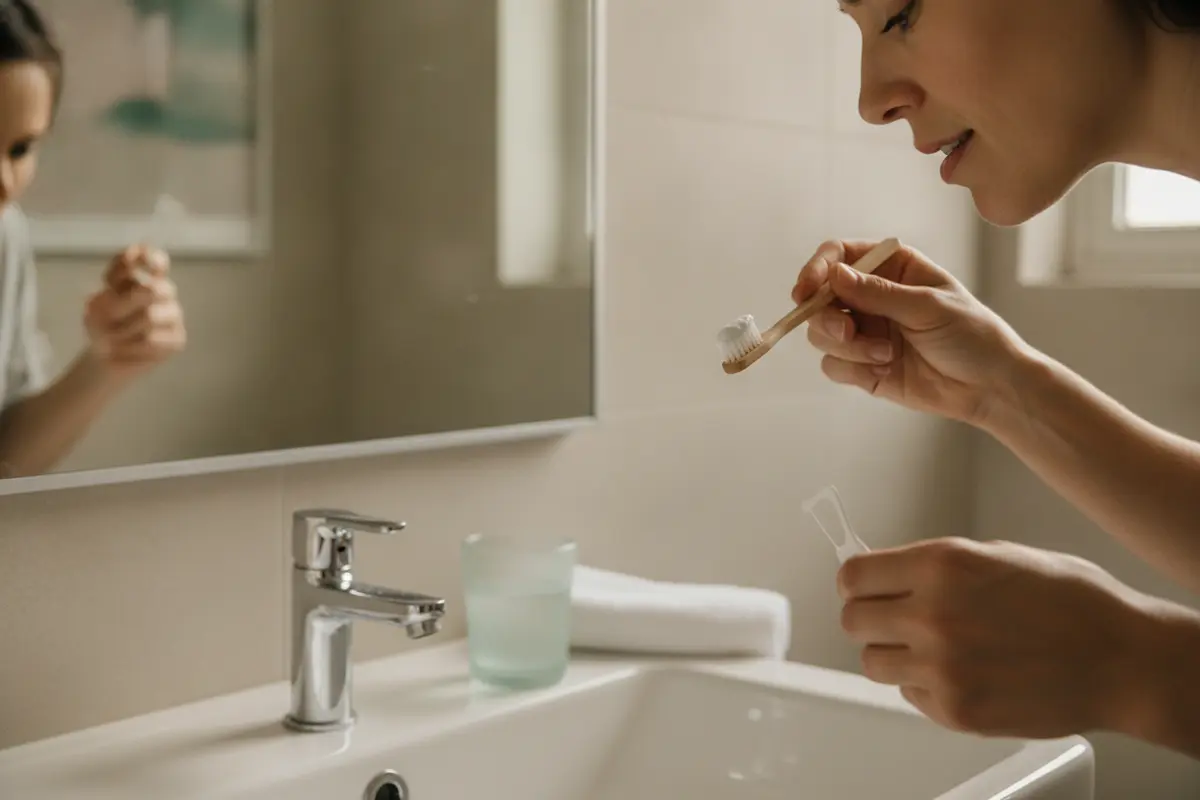
- Brush all surfaces: Take time with the outer, inner, and chewing surfaces of each tooth. Use gentle, deliberate movements.
- Clean between teeth: Use floss or an alternative recommended for your needs. Ask for a demonstration if you are unsure how to position it.
- Notice changes: Pay attention to new sensitivity, bleeding, discomfort, or changes around existing dental work.
- Keep the agreed follow-up: Note the recommended timing and how to reach the office if something changes.
- Update the dental team: Mention relevant changes in medicines or health circumstances at a later visit.
Food and drink patterns can be part of a prevention conversation. Frequent sugary snacks or drinks can increase exposure to sugars that oral bacteria use. Water can be a useful everyday choice. Rather than relying on a broad rule about a particular product or diet, ask how your habits fit your needs and whether there is one manageable change to try.
How can you make a routine easier to keep?
Connect brushing and between-teeth cleaning to a regular point in your day, such as getting ready for bed. Keep the supplies you use in a convenient place, and choose tools you can handle. If travel, work, or dexterity makes the routine harder, explain the obstacle at your appointment. Practical changes are more likely to last than an idealized routine that does not fit your life.
Try changing one thing at a time. For example, if you repeatedly miss the same area, ask the dental team to show you a way to approach it. Practice that method for a while and bring back any questions. If a tool causes discomfort, do not force a technique without guidance; ask whether a different size or method is appropriate.
Why is follow-up based on individual risk?
People have different dental histories, current findings, and home-care challenges. A dentist considers those details when discussing how often to return and whether an area should be monitored. Follow-up planning is a response to what is known at the visit, not a promise that a problem will or will not develop.
Consider two broad examples. One adult may have stable findings and want help maintaining a routine that is working. Another may have a history of gum concerns, dry mouth, or recent restorative work and need a different review plan. These examples do not determine what any individual needs. An in-person exam and discussion of personal history are necessary before making recommendations.
Some people have several factors to discuss at once. A change in medication, a new dental restoration, and a habit that is difficult to maintain may each be relevant. Rather than trying to decide which factor matters most, tell the dentist about all of them. The clinician can help prioritize questions and explain what needs attention now, what can be monitored, and when to review it again.
A review of preventive interventions in oral health, Economic Evaluations of Preventive Interventions for Dental Caries and Periodontitis, examines methods used to evaluate prevention approaches. It is not an individual schedule or treatment recommendation. Population-level research can inform broad understanding, while personal follow-up requires consideration of an individual’s exam and circumstances.
How can you compare parts of a preventive visit?
A visit may involve different combinations of examination, cleaning, imaging, and discussion. This table is a conversation guide, not a promise that every item will be needed each time. Ask which parts are appropriate for you and why.
| Visit component | What it may address | Useful question |
|---|---|---|
| Dental exam | Review of teeth, gums, dental work, and changes or concerns | What did you observe, and what should I monitor? |
| Professional cleaning | Deposits and areas that may be difficult to clean at home | Which areas should I focus on in my routine? |
| Imaging, when appropriate | Additional information to support evaluation | What question will imaging help answer today? |
| Home-care discussion | Tools and habits for daily use | Which brush or between-teeth tool should I use? |
| Follow-up planning | Timing and next steps based on the exam and history | When should I return, and what would warrant an earlier call? |
What should adults ask at a West Melbourne dental exam?
Writing questions down can make it easier to remember them during a visit. You do not need to ask everything at once. Start with the concern most important to you, then confirm that you understand the plan before leaving.
- What did you notice during today’s exam?
- How often do you recommend that I return, and what factors inform that timing?
- Are there areas I may be missing when I brush or clean between teeth?
- Is imaging appropriate today? If so, what question will it help answer?
- Which changes should prompt me to call before my next visit?
- How should I care for existing fillings, crowns, bridges, or other dental work?
- What should I do if I cannot follow one of the suggested home-care steps?
It is helpful to ask for plain-language explanations. If a term or instruction is unfamiliar, ask the clinician to show you what it means. You can also repeat the follow-up plan in your own words: when to return, what to do at home, and what changes should trigger a call. That simple recap can reveal questions while you are still at the office.
Adults in West Melbourne and nearby communities can discuss preventive needs as part of comprehensive dental care. Review the practice’s dental technology information if you have questions about equipment that may be used in evaluation or planning. Technology is a tool; whether a specific tool is appropriate depends on the clinical question and the dentist’s assessment.
How can you understand and track a follow-up plan?
Before leaving, make sure you can describe the plan in a few clear points. You might write down the suggested return timing, any home-care change, and signs that should prompt contact before the next visit. If the plan includes monitoring an area, ask what is being monitored and how it will be reviewed.
Keeping your own notes can help you compare how things change over time. Record when a symptom first appeared, whether it is improving or worsening, and questions you want to revisit. Notes are not a substitute for an exam and should not be used to diagnose yourself. They simply help you give the dental team a more complete account.
If insurance questions are part of planning, review the available insurance information and confirm details with your plan and the office. Coverage varies, and an online summary cannot determine the benefits for a particular person or visit. Ask about financial questions before treatment decisions, and request clarification if you are unsure what a proposed next step involves.
When should you contact a dentist between visits?
Do not wait for a routine cleaning if you have a new or worsening concern. Contact a dental office about tooth pain, swelling, a broken tooth, or another change that worries you. A dentist can ask questions and advise you on an appropriate next step. For urgent dental concerns, review the practice’s emergency dental care information. Severe facial swelling or trouble breathing requires emergency medical attention.
When you call, describe what happened, when it began, and whether it is changing. Mention any relevant health circumstances and what you have already tried. Avoid diagnosing the cause yourself or delaying contact because you are unsure whether the issue matters. The dental team can help determine what should happen next, but an examination is needed to establish what is going on.
For a non-urgent question, you can also note it for your next planned visit. If it becomes persistent, more intense, or otherwise concerning, contact the office rather than waiting. This is particularly useful when a change affects eating, sleeping, or your usual routine. The dental team can advise whether the timing of your visit should change.
Celebrity Smiles offers care across general, preventive, and other dental needs. You can review the services overview and new patient guidance before contacting the office. Your specific recommendations depend on an in-person exam and a personalized care plan.
Request a Preventive Dental Appointment
Frequently Asked Questions
How often should I schedule a dental exam and cleaning?
There is no single schedule that fits every adult. Ask your dentist to recommend timing based on your exam, history, and current needs. Follow the plan discussed, and contact the office if a new concern appears before your next appointment.
Can brushing and flossing replace professional cleanings?
No. Daily care supports oral health, while a professional visit allows an exam and cleaning tailored to your needs. Both have a role in a preventive plan, and the dental team can help you make home care practical.
Do I need dental X-rays at every checkup?
Not necessarily. The dentist decides whether imaging is appropriate based on your individual circumstances. Ask what it would help evaluate and why it is recommended at this visit.
What if my gums bleed when I brush?
Tell your dental team rather than trying to diagnose the cause. Describe how often it happens and any other changes you have noticed. The team can examine your mouth and recommend an appropriate next step.
What should I bring up if I have no specific concern?
You can still ask whether your home routine is suitable, when you should return, and what changes to watch for. A preventive visit is a chance to check that you understand your plan, even when nothing is bothering you.
Preventive care works best as an ongoing conversation: keep up with daily habits, share changes, and ask how your follow-up plan reflects your oral health. A dental exam can help you decide what to do next.