If you are searching for filling falls out what to do west melbourne fl, start by protecting the tooth and arranging a dental evaluation. A lost filling can leave a tender or rough area, but the right next step depends on the tooth, the size of the opening, and your symptoms. Avoid trying to diagnose or repair it yourself. A dentist can examine the area and explain appropriate options.
Request an appointment with Celebrity Smiles
What should you do first when a filling falls out?
Stay calm and take a few practical steps while you arrange care. A missing filling does not always mean you need emergency treatment, but the tooth should be assessed. The exposed area may be sensitive to temperature, pressure, or food. If you have significant pain, swelling, a fever, or trouble swallowing or breathing, contact a dental professional promptly; difficulty breathing or swallowing needs urgent medical attention.
- Gently rinse your mouth. Use warm water to clear loose food or debris. Do not probe the opening with a pin, toothpick, or other sharp object.
- Keep the area clean. Brush carefully with a soft-bristled toothbrush. Continue normal oral hygiene, but do not scrub hard over the exposed spot.
- Choose foods carefully. Until you receive advice, avoid chewing on that side if it is uncomfortable. Sticky, very hard, or very hot or cold foods may irritate the tooth.
- Save the filling if you can. Put the piece in a clean container and bring it to the appointment. Do not try to glue it back into place.
- Contact a dental office. Describe when the filling came out and any pain, sensitivity, swelling, or sharp edge. The office can help you decide how soon an exam is appropriate.
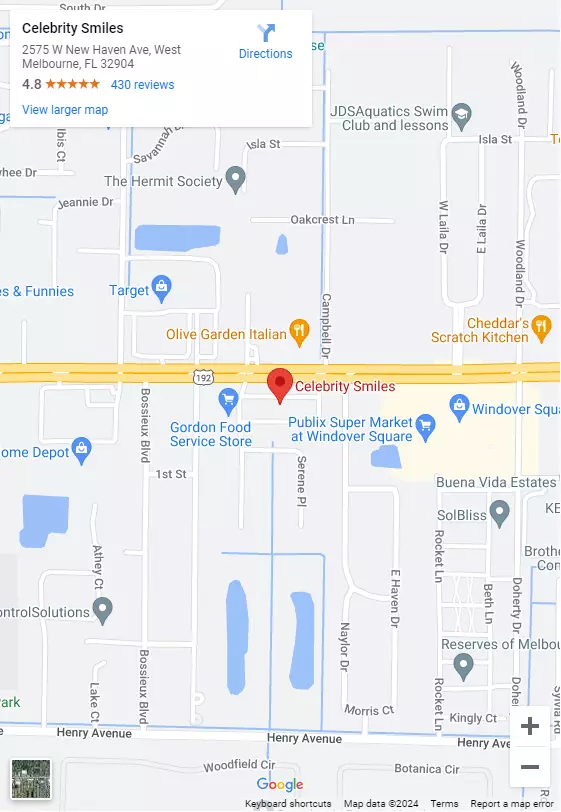
These are temporary precautions, not treatment. Even when a tooth feels fine, the opening may need evaluation. Celebrity Smiles provides comprehensive dental services in West Melbourne, and an exam can help determine what is going on.
How can you protect the tooth while arranging care?
A simple plan can make the time before an exam easier to manage without trying to repair the tooth at home. First, keep track of what you notice rather than repeatedly testing the opening. If cold water causes a brief twinge, for example, make a note of the trigger and how quickly the feeling stops. If chewing brings on discomfort, avoid that side and describe the pattern when you call. Do not deliberately bite hard foods or use very hot or cold drinks to see whether the tooth reacts.
For meals, choose foods that require less chewing and are comfortable at a mild temperature. Cut food into small pieces, chew on the opposite side when possible, and avoid hard candy, ice, nuts, or sticky foods that might catch on the tooth. If a sharp edge is rubbing your cheek or tongue, avoid touching it with your fingers and ask the dental office what temporary step, if any, is appropriate. Do not file the tooth or cover it with household materials.
Keep brushing and cleaning between teeth as you normally would, using care around the affected area. This helps remove food and plaque without putting force on a sensitive spot. Rinsing gently with water after eating can help clear loose debris. These steps are only for comfort and cleanliness while you arrange professional advice; they do not seal the opening or determine whether the tooth has other damage.
How urgent is a lost filling?
There is no single timeline that fits every lost filling. A small restoration may come out with little discomfort, while a larger or deeper area may expose sensitive tooth structure or occur alongside decay or a crack. Symptoms can change, so call a dentist for personalized advice rather than relying on how the tooth looks or feels at home.
When you call, explain whether the tooth hurts at rest or only while eating, whether temperature triggers discomfort, and whether the pain is getting better or worse. Mention swelling, a bad taste, a sharp edge, or any recent injury. If you have severe or worsening pain, facial swelling, or other concerning symptoms, say so clearly. The practice can advise about next steps and appointment timing based on what you report.
If you are in West Melbourne, Melbourne, Palm Bay, or nearby Brevard County, the emergency dental care page explains how to reach the practice for urgent concerns. Same-day care may be available for dental emergencies, but availability and appropriate care depend on an individual assessment. Do not assume that every lost filling requires the same type or timing of treatment.
Some changes call for a quicker conversation than routine sensitivity. Contact a dental professional promptly if pain becomes strong or persistent, swelling develops, you feel unwell with a fever, or the tooth is injured. If you have trouble breathing or swallowing, seek urgent medical attention. When symptoms are mild and stable, a dental office can still help determine how soon you should be seen; do not wait for discomfort to become severe before asking.
What should you avoid while waiting for an exam?
- Do not use household glue or adhesives. These products are not intended for use inside the mouth and can make professional care more difficult.
- Do not force the old filling back in. It may not fit securely, and pressure could hurt the tooth or soft tissue.
- Do not place aspirin directly on the tooth or gums. Use medicines only as directed on their labels and ask a healthcare professional or pharmacist if you are unsure what is suitable for you.
- Do not ignore a new sharp edge or worsening symptoms. Avoid chewing on that side and ask the dental office for advice.
- Do not assume a temporary dental material is the final answer. Over-the-counter products, if considered, should only be used according to their packaging and after seeking professional guidance. They do not replace an examination or definitive care.
Keep the area as clean as you reasonably can, and follow any individualized instructions you receive from your dental team. If you have a medical condition, take prescription medicines, or are uncertain whether a product is safe for you, ask a clinician before using it.
Avoid treating a temporary product as a way to postpone an evaluation indefinitely. If a dental professional suggests an interim measure, confirm how to use it, how long to rely on it, and what to do if the tooth becomes more painful. If the material comes loose or irritation develops, stop and contact the office for direction. Instructions can differ based on the location of the tooth, your symptoms, and the amount of exposed structure.
What might a dentist check?
An examination helps the dentist understand why the filling came out and how much of the tooth is affected. Depending on the findings, the dentist may ask about the filling’s history, sensitivity, biting discomfort, and whether anything hard was chewed shortly before it became loose. The tooth and nearby gum tissue can then be assessed. Imaging may be considered when clinically appropriate, but the decision depends on the individual examination.
The dentist may check the remaining tooth structure, the edges of the old restoration, the bite, and signs that could point to decay or damage. A lost filling can be related to wear, a change in the restoration or surrounding tooth, or another issue. These are possibilities, not a diagnosis. Only an examination can help identify the cause in your case.
The visit is also a chance to describe what matters to you: whether sensitivity disrupts meals, whether you have trouble chewing, and whether you have had similar problems with that tooth. Tell the dentist when the filling was placed if you know, but it is fine if you do not. If another office placed it, records may help, though the exam can still proceed without you knowing the restoration’s material or exact history.
Celebrity Smiles uses dental technology such as digital imaging and intraoral scanning as part of care where appropriate. The dentist can explain what an exam or any recommended diagnostic step involves and why it may be useful. If you have questions about imaging or treatment, ask before proceeding.
How might next steps differ?
The choice of care depends on what the dentist finds, how much healthy tooth remains, and your overall needs. In some situations, the dentist may discuss replacing a filling. If the tooth has more extensive damage, a different restoration may be considered. If there are signs of infection or another concern, the plan may require additional evaluation. No option can be selected reliably from the fact that a filling fell out alone.
| What the exam may find | Possible discussion | What guides the decision |
|---|---|---|
| A limited area that can support a restoration | A replacement filling may be considered | Location, size, remaining tooth structure, bite, and clinical findings |
| A larger or weakened area | A crown or another protective restoration may be discussed | How much structure remains and how the tooth functions |
| Possible decay, crack, or other underlying issue | Further assessment and a treatment plan may be needed | Symptoms, exam findings, and any appropriate diagnostic information |
| No urgent symptoms but an open or rough area | Timely evaluation and advice on protecting the tooth | Changes in symptoms and the dentist’s assessment |
The table describes general possibilities, not a promise that a particular treatment will be suitable. A dentist should explain the recommended option, its purpose, alternatives, and what may happen if care is delayed. Ask how to manage the tooth until treatment and what symptoms should prompt you to call sooner.
It can help to ask the dentist to describe the reason for each option in plain language. For example, ask whether the remaining tooth can support a new filling, whether the bite puts extra force on that area, and whether any additional test would change the plan. You can also ask what the visit involves, whether care can be completed in one or more appointments, and what to expect afterward. The answers depend on the specific findings, so avoid relying on another person’s treatment experience as a prediction for your tooth.
If a crown rather than a filling is involved, that is a different situation. You can read about porcelain crowns and restorative care, but an examination is still needed to understand what your specific tooth requires.
What details should you share when you call?
A clear description helps the dental office understand what happened and advise you about timing. You do not need to know the filling material or how deep it was. Say which tooth is involved if you can identify it, when the filling came out, and whether you still have the piece. If you are unsure which tooth, explain whether it is on the upper or lower jaw and which side of your mouth.
Describe symptoms in plain language. Tell the office if you have a sharp edge, sensitivity to cold or pressure, pain when biting, swelling, or a change in taste. Explain whether discomfort is brief or continues after a trigger, and whether it is getting worse. Mention any injury, recent dental work, or health issue that could affect your care. These details do not diagnose the problem, but they help the team understand your concern.
It may be useful to write down a short sequence: when you first noticed the filling was gone, what you were doing, what symptoms appeared, and whether anything changed since then. Separate what you observed from what you suspect. For instance, say “I felt a rough area after dinner” rather than concluding that the tooth is cracked. This keeps the conversation clear and gives the office practical details without asking you to diagnose yourself.
Ask what to do while waiting and what changes should prompt another call. If you have swelling, worsening pain, fever, or difficulty swallowing or breathing, make that clear rather than leaving it for a routine visit discussion. For a serious or rapidly changing symptom, contact a dental professional promptly; difficulty breathing or swallowing warrants urgent medical attention. Use only temporary steps that the dental office or a qualified healthcare professional considers appropriate for you.
How can you prepare for the dental visit?
A little preparation helps make the conversation useful. Note when the filling came out and whether you know what you were eating or doing at the time. Track how the tooth feels with chewing, air, or hot and cold drinks. Include whether the discomfort is brief or lingering, and whether symptoms are changing. Do not deliberately test the tooth with extreme temperatures or hard foods.
- Bring the filling fragment, if you found it, in a clean container.
- Make a list of medicines, allergies, and relevant health conditions.
- Tell the office about pain, swelling, injury, or any change since the filling came out.
- Ask what you should do if symptoms worsen before your visit.
- Ask for an explanation of the proposed treatment and any alternatives.
For practical visit details, the new patient information page can help you understand what to expect. If you already have dental records or details about the original restoration, share them if available. You do not need to know the technical name of the filling to describe what happened.
Before leaving the appointment, make sure you understand the plan and who to contact with follow-up questions. Ask whether you should avoid particular foods, how to care for the area, and what symptoms would require a call. If treatment is planned for a later date, confirm what to do if the tooth changes before then. These practical questions can help you follow instructions between visits and reduce uncertainty.
Can you prevent another filling from coming out?
No prevention step can guarantee that a restoration will never loosen or fail, but regular dental care can help identify changes and support ongoing oral health. Brush twice daily with fluoride toothpaste unless your dentist has advised otherwise, clean between your teeth, and keep recommended checkup appointments. Avoid chewing ice or using teeth to open packages. If you notice a rough edge, a change in your bite, or new sensitivity around a filling, mention it rather than waiting for the restoration to come out.
Pay attention to patterns that could be useful to discuss at a regular visit. Does a particular tooth catch food? Does a filling feel different when you close your teeth together? Do you notice a new rough edge when brushing? These observations do not prove that a restoration is failing, but bringing them up gives the dentist a chance to assess the change. Do not wait for a scheduled checkup if you develop significant pain or swelling; contact a dental professional for advice.
Ask your dentist how often you should return based on your oral health and restoration history. The appropriate schedule is individual. You can also review the practice’s information on comprehensive dental care and discuss preventive options that fit your needs. Care recommendations depend on an in-person examination, not a general checklist alone.
The American Dental Association is a professional dental organization; its public oral-health resources offer additional background for patients. For advice about a specific missing filling, however, contact a dentist who can examine your tooth and consider your symptoms and health history.
Celebrity Smiles is a privately owned dental practice in West Melbourne led by Dr. Anand Shah, DMD. The practice offers general, restorative, cosmetic, and other dental care. If you are looking for a local dentist, you can learn more about the dental team and practice before requesting a visit.
Request an appointment to have the tooth evaluated
Frequently Asked Questions
Does a filling falling out always hurt?
No. Some people notice sensitivity or discomfort, while others have few symptoms at first. Lack of pain does not show whether the tooth is healthy, so arrange an evaluation and report any changes.
Can I eat after a filling falls out?
You may be able to eat, but avoid chewing on the affected side if it is uncomfortable. Choose foods that are easy to chew and avoid very hard, sticky, hot, or cold items if they trigger sensitivity. Follow advice from your dental office.
Can I replace the filling myself?
Do not glue the old filling back or use household adhesives. Temporary products are not a substitute for professional evaluation. Ask a dentist whether any interim measure is appropriate for your situation.
What if a filling falls out and I have no pain?
Contact a dental office even if you feel fine. The dentist can assess the opening and advise whether and when treatment is needed. Seek advice sooner if pain, swelling, or other symptoms develop.
How long can I wait to have a lost filling checked?
There is not a universal waiting period. Timing depends on the tooth, symptoms, and exam findings. Call a dental office, describe what happened, and follow its guidance about scheduling and any change in urgency.
A lost filling is a reason to protect the area and ask a dentist for guidance, not to guess at a repair. An in-person evaluation can clarify what the tooth needs and help you plan an appropriate next step.