If you are searching for laser teeth whitening in West Melbourne, FL, you may be wondering whether a laser, an LED light, or the whitening gel does most of the work. The term is often used broadly online, but the details matter. A dentist-supervised consultation can clarify which system is being offered, whether your stains are likely to respond, and how to plan for sensitivity.
Request a laser teeth whitening consultation at Celebrity Smiles Melbourne
What does laser teeth whitening mean?
Laser teeth whitening usually refers to an in-office bleaching appointment that combines a peroxide-based whitening gel with a light source. In everyday marketing, “laser” may describe light-activated whitening even when the system uses an LED rather than a dental laser. The active bleaching agent, treatment protocol, isolation, and patient assessment all affect the experience.
The American Dental Association explains that professional whitening may include in-office bleaching, dentist-supplied products for home use, and over-the-counter products. The ADA also notes that temporary tooth sensitivity and gum irritation are common side effects. That is why a dental exam should come before choosing a light, gel, or tray.
Laser versus LED whitening: is there a meaningful difference?
Laser and LED whitening are not interchangeable terms in a technical sense. A laser produces a concentrated beam of light, while an LED whitening lamp produces light from light-emitting diodes. Both may be used alongside a peroxide gel in different systems, but the presence of a light does not automatically determine how much whitening a patient will see.
Clinical results depend on several factors, including the gel concentration, contact time, shade and cause of discoloration, protective barriers, and the condition of the teeth and gums. A systematic review of laser-activated dental bleaching found that the evidence varies by protocol and does not support treating every light-activated method as identical. In practical terms, ask the dental office which system it uses and what role the light plays in that system.
- Laser: A concentrated light source used by some dental whitening systems.
- LED: A light-emitting diode source used by systems such as the documented Zoom! in-office process at Celebrity Smiles Melbourne.
- Peroxide gel: The bleaching material that changes the color of natural tooth structure.
- Dentist supervision: The examination, gum protection, product selection, and follow-up that help make the plan appropriate for your smile.
Rather than choosing a treatment because the word “laser” sounds more powerful, focus on the complete protocol and whether a dentist has assessed your oral health first.
How do dentist-supervised whitening options compare?
For West Melbourne patients, the most useful comparison is often between a dentist-supervised in-office appointment and a dentist-supervised take-home plan. Celebrity Smiles Melbourne documents Zoom! professional in-office whitening, Venus White Max in-office whitening, and Venus White Pro custom take-home trays. The right option depends on your goals, schedule, sensitivity history, and exam findings.
| Option | What it involves | May suit patients who | Important consideration |
|---|---|---|---|
| Zoom! in-office whitening | Peroxide gel applied in the dental office with documented LED light activation; the visit is designed for a concentrated, supervised appointment. | Want an office-based option and prefer a guided visit. | About-one-hour timing and shade response vary by the person and the cause of staining. |
| Venus White Max in-office | A dentist-supervised in-office whitening option listed among the practice’s cosmetic services. | Want to discuss another office-based professional system. | The dentist should confirm the current protocol and whether it fits your teeth and gums. |
| Venus White Pro take-home | Professional whitening gel used with custom-fit trays at home. | Prefer a more flexible schedule and gradual, supervised use. | Following the prescribed wear instructions matters for comfort and an even result. |
This comparison is a starting point, not a promise of a particular shade change. An in-person assessment is needed before a dentist can recommend a whitening method or confirm whether treatment is appropriate.
Zoom! in-office whitening
Celebrity Smiles Melbourne describes Zoom! as an in-office system that uses hydrogen peroxide gel and LED activation. Its service information describes a process that includes protecting the lips and gums, applying the gel, activating the system, and repeating the application as directed. Fluoride may also be discussed when sensitivity is a concern.
The word “laser” should not be used to assume that every light-assisted appointment is a laser procedure. If your goal is a dentist-supervised office visit, ask whether Zoom! is the system being recommended and how the light, gel, and protective steps work together.
Venus White Max in-office whitening
Venus White Max is listed by Celebrity Smiles Melbourne as an in-office professional whitening option. It may be worth discussing if you want a supervised appointment but are comparing systems. The dentist can review your staining pattern, previous sensitivity, restorations, and timing before explaining the current product protocol.
Venus White Pro take-home whitening
Venus White Pro is listed as a professional take-home option with custom-fit trays. Take-home whitening can give patients more control over when they use the trays, but it still benefits from dental guidance. The prescribed gel amount, tray fit, wear schedule, and instructions for handling sensitivity are part of the treatment plan.
Call (321) 914-0929 or request an appointment to compare supervised whitening options
What happens before a dentist recommends whitening?
A whitening consultation is more than selecting the brightest package. The dentist first considers your oral health and the reason your teeth look darker or more yellow. The exam may include a review of your dental history, sensitivity, medications or allergies relevant to treatment, tooth-colored fillings or crowns, and the type of discoloration.
- Discuss your goal: Explain whether you are preparing for an event, addressing coffee or tea staining, or looking for a gradual smile refresh.
- Check teeth and gums: The dentist looks for decay, cracks, gum irritation, and other concerns that may need attention before whitening.
- Review existing dental work: Natural teeth can respond to whitening, but crowns, veneers, fillings, and other tooth-colored restorations do not change color in the same way.
- Consider sensitivity: A history of sensitive teeth can affect the product, strength, timing, and aftercare plan.
- Compare options: The dentist explains whether an in-office or custom take-home approach better matches your needs and schedule.
This step is especially important when a search for laser teeth whitening is prompted by one dark tooth, internal staining, a trauma history, or a restoration that no longer matches. Bleaching may not address every cause of discoloration, so diagnosis comes before treatment selection.
Is dentist-supervised whitening safer for sensitive teeth?
Dentist supervision does not remove every possibility of sensitivity, but it gives the care team information needed to plan around known risks. The ADA identifies temporary tooth sensitivity and gingival inflammation as common effects of vital tooth whitening. Higher concentrations and longer contact times can influence sensitivity, while gel contacting the gums can cause irritation.
Tell the dentist if you already avoid cold drinks, have gum recession, have recently had dental work, or have experienced discomfort with strips or trays. The team may discuss protective barriers, a different product or schedule, treatment of an underlying issue, or delaying whitening until your mouth is healthy enough for it.
Contact the office if you experience unexpected pain, persistent sensitivity, or gum irritation after whitening. Do not use extra gel or extend wear time to try to speed up a result. More product is not automatically a better treatment.
What can whitening change, and what can it not change?
Professional whitening works on natural tooth structure. It can help with some surface stains and some deeper discoloration, but the response depends on the cause and the starting shade. It does not repair a cavity, strengthen a cracked tooth, reshape a tooth, or change the color of an existing crown, veneer, or filling.
If a restoration is the darker-looking part of your smile, the next step may be restorative or cosmetic planning rather than more whitening. Celebrity Smiles Melbourne offers broader cosmetic dentistry in West Melbourne, so the consultation can address the smile as a whole without assuming that whitening is the right answer for every concern.
Results also need maintenance. Coffee, tea, red wine, tobacco, and natural aging can contribute to new staining. Good brushing and flossing, routine dental visits, and following the dentist’s maintenance instructions may help you preserve your result. No whitening treatment can promise a permanent shade.
How should West Melbourne patients choose between office and take-home care?
Use your priorities as a conversation starter, not as a substitute for an exam. Office care may appeal to someone who wants a guided appointment, while custom take-home trays may fit someone who values scheduling flexibility. A dentist can explain which options are available at the practice and whether either approach fits your teeth, gums, restorations, and sensitivity history.
| Your priority | Question to ask at the consultation |
|---|---|
| Speed and an office appointment | Would Zoom! or another in-office option be appropriate for my teeth and timeline? |
| Flexible home use | Would Venus White Pro custom trays be suitable, and what schedule should I follow? |
| Sensitivity concerns | What steps can we take before, during, and after whitening to improve comfort? |
| Existing crowns or veneers | Will my natural teeth and restorations remain visually consistent after whitening? |
| Unclear discoloration | Do I need an exam or other treatment before choosing a whitening system? |
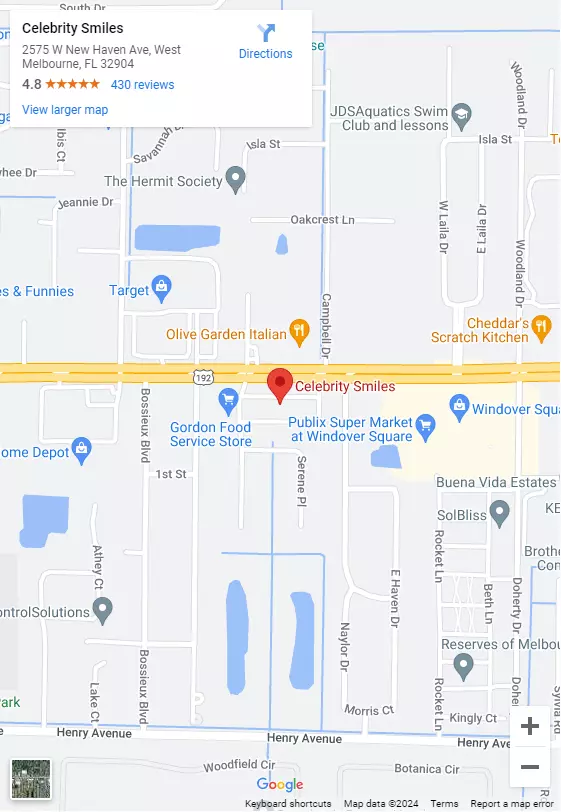
If you live in West Melbourne, Palm Bay, Melbourne, Viera, Suntree, or nearby Brevard County, Celebrity Smiles Melbourne can review your goals and explain the available professional whitening options. The practice is located at 2575 W New Haven Avenue in West Melbourne.
For a broader treatment-by-treatment comparison, read the existing guide to Zoom!, Venus White, and store-bought teeth whitening. This article’s focus is the laser terminology question and the role of a dentist-supervised plan.
Request an appointment at Celebrity Smiles Melbourne before choosing laser teeth whitening
Frequently Asked Questions
Does laser teeth whitening use a real laser?
Sometimes, but not always. “Laser teeth whitening” is often used as a broad term for light-assisted in-office bleaching, while some systems use an LED light. Ask the dental office which system it uses. Celebrity Smiles Melbourne documents Zoom! LED activation, along with Venus White professional in-office and take-home options.
Is laser teeth whitening better than take-home whitening?
Neither option is automatically better for every patient. In-office whitening may suit someone who prefers a guided visit, while custom take-home trays may suit someone who wants more scheduling flexibility. An exam helps the dentist compare the options based on your goals, sensitivity, stains, and restorations.
How long does professional whitening take?
Celebrity Smiles Melbourne describes Zoom! in-office whitening as an approximately one-hour process, but appointment details and treatment timing can vary. Venus White Pro take-home whitening follows a prescribed home schedule rather than one office visit. Ask the team what timing is realistic for your situation.
Can whitening fix yellow crowns or veneers?
No. Whitening changes natural tooth structure, but crowns, veneers, fillings, and similar restorations do not whiten in the same way. If a restoration looks darker than nearby teeth, the dentist should evaluate the cause and discuss appropriate cosmetic or restorative options.
Can I whiten my teeth if they are sensitive?
Possibly, but sensitivity should be discussed before treatment. The dentist can check for decay, gum recession, cracks, exposed tooth surfaces, and other causes of discomfort. The product, contact time, strength, and aftercare plan may need to be adjusted, or whitening may need to wait until another concern is addressed.
Sources: American Dental Association guidance on tooth whitening and a systematic review of laser-activated dental bleaching.