Finding viera dental care that fits your needs involves more than choosing the nearest office. Adults in Viera and Suntree may want routine preventive visits, help understanding a tooth concern, or a plan for restorative or cosmetic care. A useful first step is to compare the services offered, the way a practice explains options, and the practical details of getting to an appointment in West Melbourne.
Request an Appointment at Celebrity Smiles Melbourne
What should Viera and Suntree patients compare first?
Start with the reason you are looking for a dentist. If you need a regular checkup, find out how the office handles exams, cleanings, and follow-up recommendations. If you have a damaged or missing tooth, ask whether the practice can assess it and discuss appropriate options. If your main concern is how your smile looks, ask how the dentist evaluates both your goals and the health of your teeth and gums before discussing cosmetic choices.
It can be helpful to look for a practice with care that spans preventive, general, restorative, and cosmetic needs. That does not mean that every service will be right for every person. It means you can ask whether the office can discuss a concern in context and explain what care may involve. Celebrity Smiles Melbourne is located in West Melbourne and serves nearby communities, including Viera and Suntree. Its listed services include general and preventive dentistry, cosmetic dentistry, crowns, bridges, dental implants, clear aligners, and emergency dental care. The practice’s dental services overview is a useful place to see the range of care available.
As you compare offices, pay attention to the quality of the conversation, not just the service list. Do you have a chance to describe what concerns you? Does the dentist explain what an examination can and cannot tell you? Can you ask about alternatives, follow-up, and cost without feeling rushed? These questions help you evaluate how a practice communicates before you decide whether to arrange a visit.
How can preventive care fit into a longer-term plan?
Preventive appointments are an opportunity to review your oral health, raise questions, and discuss a care plan based on an examination. The right timing and content can vary. Your dentist can explain how often to return and whether any areas need monitoring, further evaluation, or a change to your home-care routine.
When you book, note any changes you have noticed. That may include sensitivity, bleeding, discomfort when chewing, a chipped tooth, or a change in how a dental appliance fits. Mention when the issue began and whether anything seems to make it better or worse. These details can help the dental team understand why you are seeking care, but they do not replace an examination or establish a diagnosis.
At a preventive visit, consider asking:
- What did you observe during the exam, and what should I keep an eye on?
- How often do you recommend checkups and cleanings for my situation?
- Are there areas where my brushing or cleaning between teeth could be adjusted?
- Which changes should prompt me to contact the office before my next planned visit?
- Would a follow-up or additional evaluation help answer a question?
A preventive plan is most useful when you understand what each recommendation is meant to address. If a next step is suggested, ask whether it is routine monitoring, a test to clarify a finding, or treatment for a concern. You can also ask what could happen if you wait, when waiting is an appropriate choice, and what symptoms would change the timing. The dentist can explain these considerations in light of your exam.
Research can provide general context, but it cannot predict an individual result. A 2022 research article on dental care programs discusses how access to dental care may contribute to health outcomes and use of other healthcare services; it is not a study of any one local office or a guarantee of personal benefit. Read the article, “The impact of dental care programs on healthcare system and…”, for its broader discussion of access and dental care programs.
What questions should you ask about dental technology?
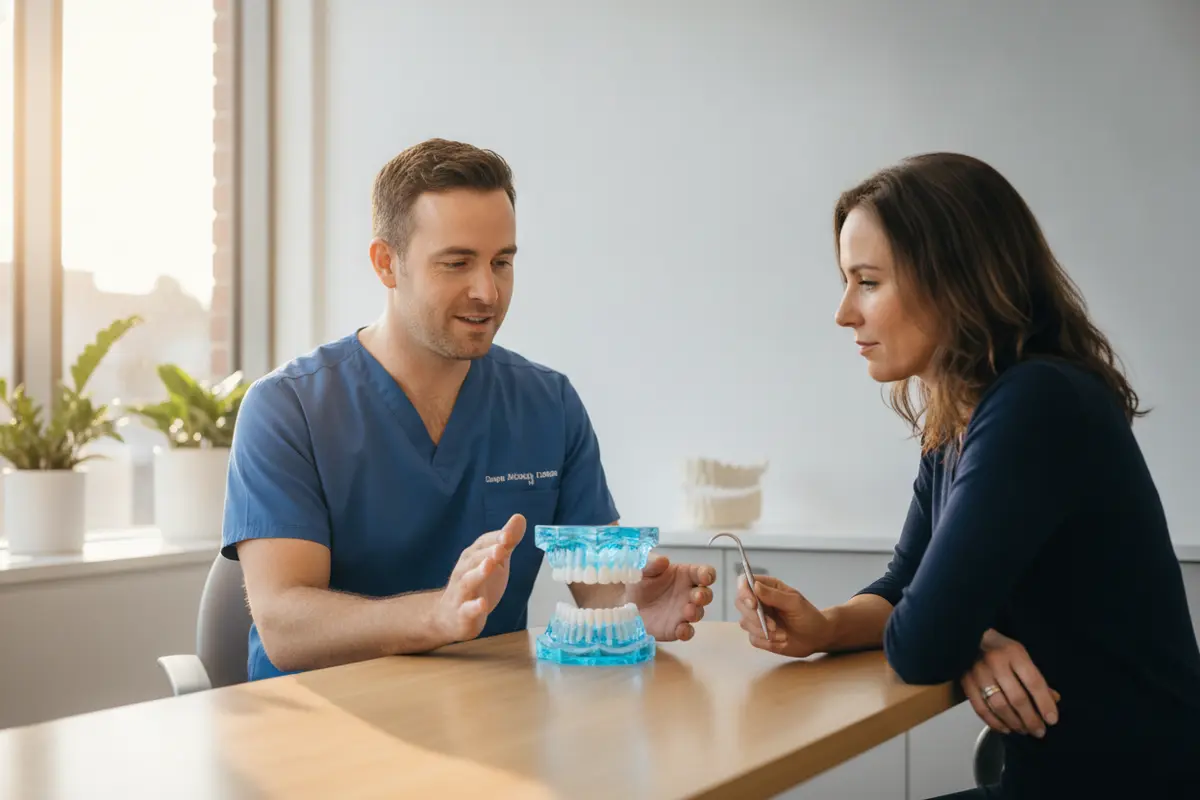
Dental technology may help a clinician gather information or plan care, but having a particular device does not by itself determine which treatment you need. Ask what a scan or image is intended to show, how it relates to your concern, and whether the result could change the options being discussed. A clear explanation should connect the tool to a specific clinical question.
Celebrity Smiles uses CBCT 3D imaging and digital intraoral scanning. The dentist decides whether either tool is appropriate for your situation. They are not necessary for every person or every visit. If imaging is suggested, ask what the dentist wants to evaluate and how the result will be used. If it is not suggested, that does not mean that an important step was missed; the appropriate approach depends on your concern and examination.
Questions you can take into a discussion include:
- What question will this scan or image help answer?
- How could the result affect the care choices available to me?
- Is another form of evaluation suitable for this concern?
- Can you walk me through what you see and what it means?
- How will this information be considered alongside my exam and health history?
For background on equipment and digital tools, review the practice’s dental technology information. Use it to prepare questions rather than to decide in advance that you need a particular scan or procedure.
How do common dental concerns compare?
The table below can help organize a first conversation. It is not a treatment recommendation. A dentist needs to examine you and consider your goals and circumstances before advising whether a particular option is suitable.
| Reason for visit | What an evaluation may address | Questions to ask |
|---|---|---|
| Routine preventive care | Exam findings, cleaning needs, home care, and follow-up timing | What should I monitor, and when should I return? |
| Tooth discomfort or damage | What may be contributing to the concern, urgency, and possible restorative approaches | What did the exam show, and what are my options? |
| Missing tooth | Whether replacement is worth discussing and which approaches may fit | How do an implant, bridge, or other option compare for me? |
| Appearance or alignment concern | Your goals, oral health, possible cosmetic or alignment options, and maintenance | What changes are realistic, and what steps would they involve? |
| Cost or benefits question | Estimated fees, plan details, and which items need confirmation | What is included, and what should I verify with my insurer? |
How can you assess whether a practice fits your needs?
Before contacting an office, write down the concern that matters most and two or three things you want to learn. This keeps a first conversation focused. For example, someone seeking a routine checkup may want to know what a new-patient examination includes, whether records can be transferred, and how follow-up is decided. A person with a recently chipped tooth may first need advice about arranging an evaluation, rather than a broad discussion of cosmetic choices. The concern and its timing help the team direct the conversation.
Next, verify the basics using information from the practice and a direct conversation. Confirm the office address, how to request an appointment, and whether the services you want to ask about are listed. If you need a particular type of visit, explain that when you call or use the contact form. Do not assume that an online service description confirms availability on a certain day or that an appointment can be arranged immediately.
Then consider how information is shared. You should be able to ask what an exam will cover, how the dentist will explain findings, and what happens if more than one path is reasonable. A website can introduce services and technology; it cannot tell you whether you personally need them. A conversation also gives you the chance to learn how to provide medical history, medication information, and earlier dental records before the visit.
Here are two examples of how the checklist can work. If a patient from Suntree is comparing an office for preventive care, the practical questions may be location, new-patient steps, records, and suggested return timing. If a patient from Viera is exploring a missing-tooth concern, the list may include which replacement approaches can be evaluated, what records or images might be relevant, how many planning stages could be involved, and how costs are documented. Neither example identifies a treatment; each helps the patient arrive prepared to ask relevant questions.
Finally, make a short comparison note after speaking with an office. Record the answers, any items you need to verify, and the next step offered. This makes it easier to compare information accurately instead of relying on memory or on a single feature such as a piece of equipment. If an answer is unclear, ask for clarification before scheduling or deciding on care.
How should you compare restorative and cosmetic options?
A tooth that is damaged or missing can affect more than appearance. Depending on the finding, a dentist may discuss ways to restore function or replace a tooth. Crowns, bridges, and implants differ in their planning, treatment steps, maintenance, and suitability. Ask the dentist to describe what each option would involve in your case, including any stages, follow-up visits, and limitations.
If you are considering an implant, read the practice’s dental implant information as preparation for a consultation. For a missing tooth, you can also review its dental bridge information. These pages provide background, but a website cannot determine which approach fits your mouth or health history. Ask whether replacement is advisable, what other approaches could be considered, and how the options compare in care steps and ongoing maintenance.
Cosmetic concerns can involve tooth color, shape, spacing, or alignment. Depending on the issue and examination, a dentist may discuss options such as whitening, veneers, or clear aligners. Read about the practice’s cosmetic dentistry services or its clear aligner information to get familiar with topics to discuss.
Before choosing an elective or restorative approach, clarify your priorities. You might care most about appearance, function, preserving tooth structure, the sequence of visits, or maintenance. Ask what the proposed treatment can reasonably address and what it cannot. A dentist should explain relevant risks and alternatives, and final recommendations should follow an in-person exam and personalized treatment plan.
What should you check before traveling from Viera or Suntree?
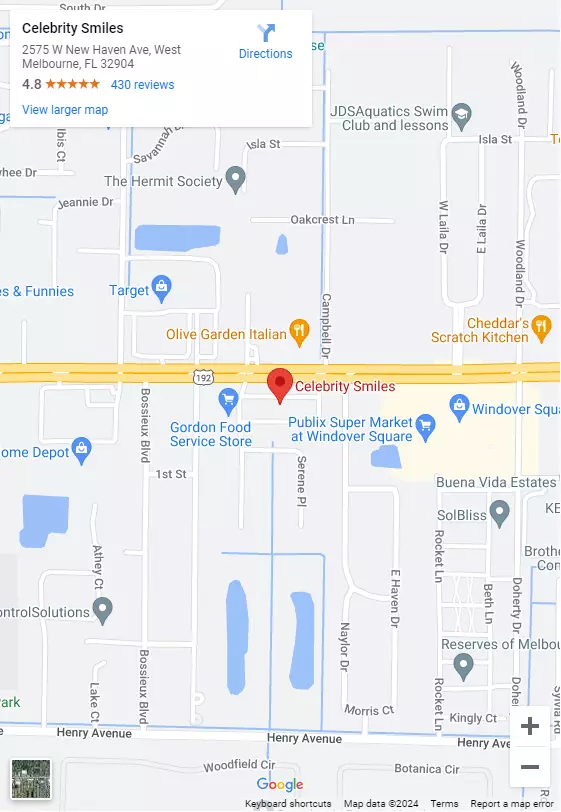
Convenience is about more than the miles on a map. Celebrity Smiles is at 2575 W New Haven Avenue in West Melbourne. Before you make the trip, confirm the location and appointment details with the office. Think about when you can travel, how much time you may need for the visit, and whether you will need to coordinate work or another commitment. Do not assume an appointment length or availability; ask when you request a visit.
Tell the office the reason for your appointment when you contact them. If you have pain, a broken tooth, swelling, or another time-sensitive concern, explain what is happening and ask what the next step should be. The practice describes its emergency dental care; if symptoms are urgent, contact a dental office promptly rather than trying to diagnose the cause yourself.
For a first visit, ask whether the office needs records from a previous dentist and how to transfer them. Make a short list of current medications, relevant health information, and questions you want answered. If you have dental images or a treatment plan from another office, ask whether those records would be useful and how they can be sent securely. The practice’s new patient information can help you prepare.
If your schedule depends on a particular day, check directly before making plans. Hours can change, and Saturday availability should be confirmed with the office. When travel is a concern, ask about the appointment time and any follow-up visits that may be part of the plan so that you can consider the full commitment rather than only the first visit.
How can you understand cost and insurance details?
Cost depends on the recommended care and the details of your situation. Insurance benefits vary by plan, and an estimate is not a promise that a particular service will be covered or that a final amount will remain unchanged. Ask for a written treatment plan or estimate when appropriate. Request an explanation of what is included, which items could be separate, and what information the office can submit or verify with your insurer.
When reviewing insurance, check your own plan documents or contact the insurer to confirm benefits, limitations, waiting periods, and any approval requirements that apply. Ask whether the office can help review your plan information, while remembering that the insurer determines benefits under the policy. The practice’s insurance information and financial information can help you identify what to ask; confirm current details directly before making a decision.
For a useful cost conversation, write down the treatment name, proposed steps, estimated fees, expected timing, and what may require a separate visit. If more than one option is discussed, ask for the same information for each option so you can compare them fairly. You can also ask which items are clinical recommendations and which are optional preferences. This makes it easier to understand the plan without relying on a general price found online.
What makes a consultation useful?
A consultation should give you enough information to understand the finding and consider your choices. You do not have to decide before you understand the recommendation. Ask the dentist to explain unfamiliar terms, show you what they are referring to when possible, and separate what is known from what may need further evaluation.
Use this checklist to guide the conversation:
- What did the examination show, and is anything still uncertain?
- What are the reasonable options for my situation?
- What would each option involve, from planning through follow-up?
- What are the risks, limitations, and maintenance considerations?
- How do my health history and medications affect the plan?
- What might happen if I monitor or delay a decision, if that is appropriate?
- What is the estimated cost, and what should I confirm with my insurance plan?
It may help to bring someone you trust if you expect a detailed discussion, or to take notes so you can review the information later. If a recommendation feels unclear, ask the dentist to restate it in plain language. You can request time to consider options and follow up with additional questions. A clear plan should help you understand why a step is suggested, not pressure you into an immediate decision.
To learn about the clinicians who provide care, visit the practice’s dental providers page. If you want to discuss your needs and arrange an evaluation, contact the West Melbourne office. Recommendations depend on an in-person examination and your individual circumstances.
Request a Consultation Near Viera and Suntree
Frequently Asked Questions
Is Celebrity Smiles located in Viera or Suntree?
No. The practice is located in West Melbourne and serves nearby communities, including Viera and Suntree. Confirm the address and appointment details with the office before traveling.
Can I know which treatment I need before an exam?
Reading about services can help you prepare questions, but it cannot establish which care is appropriate. A dentist must evaluate your situation in person and discuss a personalized plan.
Does the use of CBCT imaging mean every patient gets a scan?
No. The dentist determines whether imaging is useful for a particular concern. Ask what the scan would help assess and how it could affect the discussion of options.
Can the office tell me exactly what my insurance will pay?
The office may be able to help review plan information, but benefits depend on your policy and the insurer’s terms. Confirm your coverage and any requirements with your insurer before treatment.
What should I do if I have a new dental concern?
Contact a dental office, describe what has changed, and ask what next step is appropriate. Pain, swelling, a broken tooth, or signs of infection should not be self-diagnosed or left unmentioned.
When choosing viera dental care, focus on clear explanations, relevant services, and practical planning for visits from Viera or Suntree. A conversation with a dentist can help you understand your options and decide on an appropriate next step.