Choosing cosmetic dentistry in Melbourne starts with a clear conversation about what you would like to change and what you want your smile to look and feel like. Whitening, veneers, clear aligners, and other treatments address different concerns, so the right discussion is about fit—not simply choosing the most noticeable option. A dentist can review your oral health, listen to your goals, and explain which approaches may be appropriate after an in-person exam.
Request an Appointment to Discuss Your Smile
What would you like to change about your smile?
Before comparing treatments, describe the concern in plain language. You might want to lighten tooth color, adjust the appearance of a chipped edge, change the look of a gap, or explore alignment. It can help to name what you like about your smile, too. That gives the conversation a useful starting point and helps keep the goal personal rather than focused on a generic ideal.
Try writing down two or three priorities. For example: “I would like my front teeth to look less dark,” “I want to ask whether a small chip can be addressed conservatively,” or “I would like to understand whether aligners could suit my bite and schedule.” These are discussion points, not self-diagnoses. The appearance of a tooth can be affected by its condition, gum health, bite, and other factors that need a dental evaluation.
Some people have one specific concern. Others have several goals that may need to be considered together. A dentist may discuss the order of care, whether a treatment could affect another, and how to keep the result balanced with your natural features. You can explore the practice’s cosmetic dentistry services before your visit, then bring questions about which options might address your priorities.
How do common cosmetic options differ?
Different treatments change different things. Whitening focuses on tooth color. Veneers are coverings placed on the front surface of teeth and may be discussed for selected appearance concerns. Clear aligners are designed to move teeth over time. A crown may be considered when a tooth needs restorative coverage as well as an appearance improvement. These examples are not interchangeable, and a dentist must assess the tooth and your overall oral health before recommending care.
| Option to ask about | General focus | Questions for your consultation |
|---|---|---|
| Professional whitening | Tooth shade | What may be causing the color, and what type of whitening is appropriate for me? |
| Veneers | Appearance of selected front teeth | What preparation, alternatives, and ongoing care should I understand? |
| Clear aligners | Tooth position and alignment | Could aligners address my concern, and what would the plan involve? |
| Crowns | Restorative coverage that can also affect appearance | Does the tooth need restorative care, and what other options should be considered? |
The table is a conversation guide, not a treatment recommendation. There may be other options, and some concerns are better managed with preventive or restorative care first. Ask the dentist to explain why an option is being considered, what alternatives exist, and what happens if you wait or choose not to proceed.
You can also ask how much of the tooth may need to be changed for a proposed treatment and whether that change can be avoided or reduced. The answer varies by treatment and by the condition of each tooth. Understanding what is reversible, what is not, and what future care may involve can help you compare options with realistic expectations.
For example, if your concern is tooth color, ask whether whitening alone could address it or whether another factor needs evaluation. If your concern is a chip or uneven edge, ask what options may be suitable for that specific tooth and what trade-offs come with each. If alignment is your main goal, ask whether clear aligners are an option to discuss and what the evaluation would include. The point is not to select a procedure from a list; it is to understand the reasoning behind a personalized plan.
What does a natural-looking result mean to you?
“Natural-looking” can mean different things to different people. You may want a subtle shade change, a more even appearance, or a result that preserves features you already like. Share examples if they help explain your preferences, but treat photos as conversation starters rather than promised outcomes. Teeth, gums, facial features, and starting conditions vary from person to person.
It may help to describe the scale of change you are comfortable considering. Some patients prefer to address one tooth or one specific feature; others want to discuss how several teeth appear together. You can tell the dentist if you prefer a conservative approach, want to understand multiple levels of treatment, or are unsure what would look balanced. The consultation is a chance to clarify priorities before settling on any plan.
Ask how the proposed plan would relate to your existing tooth color, facial features, and smile. If you are considering whitening and another treatment, ask how the sequence may affect the appearance of the final result. For instance, the dentist can explain whether tooth shade should be addressed before planning restorations. The details depend on your exam and the treatment being considered.
Technology may support the planning conversation. Celebrity Smiles lists CBCT 3D imaging and digital intraoral scanning among its technology. Ask whether a scan or image is useful for your particular concern, what it can show, and what it cannot determine. A digital preview or scan should support a clinical discussion, not replace an evaluation or serve as a guarantee of a specific appearance.

What should you ask before choosing a treatment?
A helpful consultation should leave you with a clear understanding of the proposed care and why it may fit your needs. You do not have to make a decision on the spot. Take notes, ask for plain-language explanations, and request time to consider the options if you need it.
- What concern is this option intended to address? Ask the dentist to connect each step to one of your stated goals.
- What alternatives are worth considering? Ask whether a less involved approach, a different treatment, or no immediate cosmetic treatment may be reasonable.
- What does the process involve? Request an outline of the planned visits, what happens at each stage, and what can affect timing.
- What are the limitations and trade-offs? Ask about preparation, sensitivity, adjustments, risks, and situations where the proposed option may not be suitable.
- How should I care for my teeth afterward? Ask what daily care, follow-up, or future maintenance may be involved.
- How will we know whether the plan is working? Agree on what will be reviewed at follow-up and when to contact the office with a concern.
It is also reasonable to ask who will provide each part of the care and how your questions can be addressed between visits. The provider information can help you prepare questions about the dental team. If you are new to the office, review the new patient information and bring any records or details the office asks you to share.
How should oral health factor into cosmetic planning?
Appearance goals should be discussed alongside oral health. A dentist may first need to evaluate a toothache, damaged tooth, gum concern, or other issue before planning elective cosmetic changes. If you have pain, swelling, a broken tooth, or another concern, explain it when arranging a visit rather than treating the issue as purely cosmetic.
Tell the dentist about relevant health conditions, medicines, past dental work, sensitivity, and any changes you have noticed. This information can help the dental team understand your situation and plan an appropriate evaluation. Do not assume that a treatment is suitable simply because it is common or because someone else had a good experience with it.
For treatment questions that involve a tooth’s strength or function, restorative options may be part of the conversation. Celebrity Smiles provides information about porcelain crowns and dental bridges. Those pages can help you become familiar with the topics, but only an exam can establish what may be appropriate for your individual teeth.
What should you understand about care and maintenance?
Ask how the option you are considering fits into everyday dental care. The answer may depend on the treatment, your oral health, and your habits. A dentist can explain the expected care instructions and how often you may need follow-up. Avoid assuming that cosmetic work will remove the need for routine dental visits or daily brushing and flossing.
For whitening, ask what results may be realistic for your starting shade, whether sensitivity is a concern, and how to follow the product instructions safely. Celebrity Smiles describes Zoom! whitening and Venus White offerings on its teeth-whitening page. Your dentist can tell you whether an approach is suitable after reviewing your teeth and discussing your goals.
For veneers or crowns, ask what care is recommended, what signs should prompt a call, and whether the treatment may need maintenance or replacement in the future. For clear aligners, ask what wearing and follow-up instructions apply to your plan. The exact details differ, so it is best to leave the visit with written or clearly explained instructions you can refer to at home.
Build maintenance into your comparison rather than thinking only about the appointment when treatment begins. Ask whether you should expect check-ins, what to do if a restoration feels different, and which habits could affect your teeth or dental work. Ask about the usual routine for cleaning and whether any special tools or instructions apply. Your dentist can tailor those details to the treatment recommended and your oral health.
How can you prepare for the appointment?
A little preparation can make the consultation more useful. Beforehand, consider the following:
- Write a short list of what you would like to change and what you want to preserve.
- Gather questions about treatment steps, alternatives, maintenance, and timing.
- Bring a list of medicines and relevant health information, plus details about previous dental treatment if available.
- Tell the team about tooth pain, sensitivity, dental anxiety, or schedule needs so they can understand your concerns.
- Ask how costs, insurance, and any payment arrangements are reviewed. Coverage and eligibility vary, and the office should confirm current details for your situation.
If you want to understand the practice’s general approach to appointments, visit its practice information. For questions about payment topics, review the financial information and confirm current details directly with the office. No estimate or general information can determine your individual coverage or the final treatment plan.
How can you compare dental practices in Melbourne?
When comparing practices, look for clear explanations, opportunities to ask questions, and a treatment plan that connects to your concerns. You may also want to ask about the technology used for your evaluation, how the office handles follow-up, and what records are available to you. Consider whether the communication style makes it comfortable to discuss questions and understand your choices.
The Better Business Bureau has a directory of cosmetic dentistry listings near Melbourne. A directory listing is only a starting point for research; it does not establish that a particular treatment is right for you or replace questions about a dentist’s approach, your exam, and your options. Use several sources of information and make your decision based on the care discussion that fits your needs.
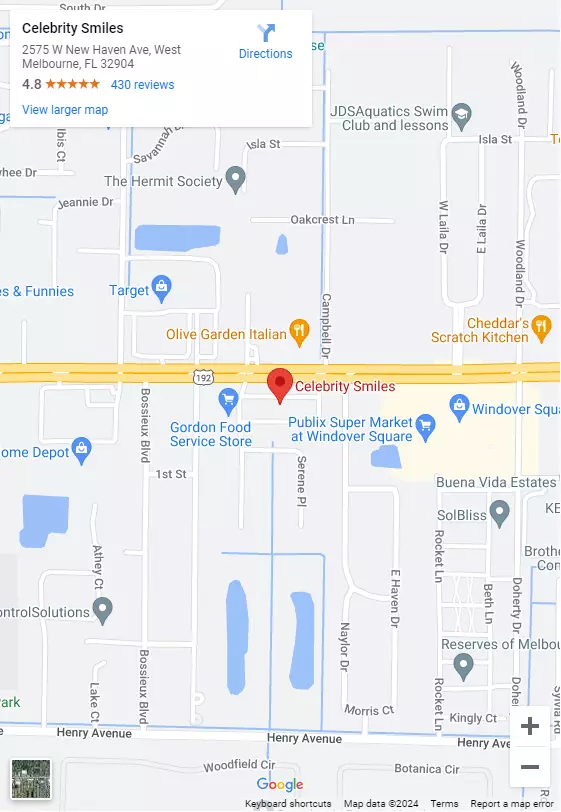
Celebrity Smiles serves adults in West Melbourne and nearby Brevard County communities. If you are considering care, you can review its dental services and prepare a list of goals to discuss. The final recommendation depends on an in-person exam and a personalized treatment plan.
Request an Appointment to Explore Cosmetic Dentistry Options
Frequently Asked Questions
Can cosmetic dental treatment look natural?
Natural-looking is a personal goal, and results depend on your starting point and the treatment selected. Tell the dentist what you want to preserve as well as what you hope to change. Your dentist can discuss realistic options after an exam, but no specific appearance can be guaranteed.
Should I whiten my teeth before considering veneers?
Ask the dentist about sequence during your consultation. The answer depends on your goals, tooth condition, and which treatments are being considered. A dentist can explain whether whitening should be discussed before planning any restorations.
Can I choose a treatment before an exam?
You can research options and identify questions, but an in-person exam is needed to assess your oral health and determine what may be appropriate. Online information cannot diagnose a dental concern or create a personalized treatment plan.
What if I have both cosmetic concerns and tooth pain?
Tell the dental office about the pain when you contact them and explain any other symptoms. The dentist can evaluate the concern and determine what care should be considered before discussing cosmetic goals. Seek an appointment promptly for pain or a damaged tooth.
A thoughtful cosmetic dentistry conversation begins with your priorities, a careful exam, and a clear explanation of options. Bring your questions, take the time you need to understand the plan, and choose next steps with your dentist based on your individual needs.