When you see the price for a dental visit, you’re seeing more than just a number. The cost reflects the quality of care, the expertise of the dental team, and the technology used to keep your smile healthy. A practice that invests in state-of-the-art equipment for diagnostics and treatment provides a higher standard of care that can detect issues earlier and more accurately. Understanding what goes into the dental check up cost helps you see the value behind it. We’ll break down the factors that influence pricing, from the thoroughness of the exam to the preventive screenings that protect your overall health.
Key Takeaways
- View preventive care as a financial strategy: Sticking to your six-month check-ups is the smartest way to manage dental costs. It helps your dentist catch minor issues early, preventing them from turning into more complex and expensive treatments.
- Understand what your check-up includes: A routine visit is more than a cleaning; it’s a complete oral health review that includes a detailed exam, diagnostic X-rays, and an oral cancer screening. Knowing these steps helps you become an active partner in your dental care.
- Explore all your payment options: High-quality dental care can be affordable, even without insurance. Ask your dental office about in-house membership plans, third-party financing, and a clear breakdown of costs to find a solution that fits your budget.
What Happens During a Dental Check-Up?
Knowing what to expect can make any dental visit feel more comfortable. A routine check-up isn’t just about looking for cavities; it’s a multi-step process designed to protect your overall oral health. Think of it as a wellness visit for your mouth. At Celebrity Smiles, our compassionate team walks you through every step, ensuring you feel informed and at ease. From the initial exam to creating a personalized plan, here’s a breakdown of what happens during a typical dental check-up.
Your Comprehensive Oral Exam
The first thing we’ll do is a complete oral exam. This is a thorough look at your teeth, gums, and your entire mouth. Your dentist will carefully check each tooth for signs of decay and examine your gums for any inflammation or signs of gum disease. We’re not just looking for problems; we’re creating a complete picture of your current oral health. This initial assessment helps us understand your unique needs and is the foundation for keeping your smile healthy and bright for years to come.
A Professional Teeth Cleaning
Next up is a professional cleaning, which is usually performed by one of our skilled and gentle dental hygienists. Even if you brush and floss diligently at home, plaque can harden into tartar, which can only be removed with special tools. The hygienist will carefully clean, scale, and polish your teeth, leaving them feeling incredibly smooth and fresh. This step is vital for preventing cavities and gum disease, and it’s also a great opportunity to ask for tips on improving your at-home care routine.
A Closer Look with Dental X-Rays
To see what’s happening below the surface, we use dental X-rays. These images allow us to spot issues that aren’t visible to the naked eye, like decay between teeth, problems with tooth roots, or bone loss in the jaw. You won’t need X-rays at every single visit; we typically recommend them every 6 to 24 months, depending on your specific health needs. Our practice uses the latest technology to ensure the process is quick, comfortable, and uses minimal radiation, giving us the clear view we need to provide the best care.
Screening for Oral Cancer
An oral cancer screening is a critical, and standard, part of every dental check-up. Don’t worry, it’s a quick and painless process. Your dentist will visually inspect your lips, tongue, gums, and the inside of your cheeks and throat for any abnormalities. This simple screening is one of the most effective ways to detect potential issues early. We believe preventive care is the best care, and this check is an important part of our commitment to your overall health and well-being.
Applying Protective Fluoride and Sealants
To give your teeth an extra layer of defense, we may recommend a fluoride treatment or dental sealants. Fluoride is a natural mineral that helps strengthen tooth enamel and fight decay. A professional fluoride treatment is a simple and effective way to protect your teeth. Sealants are thin, protective coatings applied to the chewing surfaces of your back teeth (the molars) to prevent food and bacteria from getting trapped in the grooves. These preventive services are a fantastic way to proactively manage your dental health.
Creating Your Custom Treatment Plan
After your exam, cleaning, and any necessary X-rays, your dentist will sit down with you to discuss the findings. This is where we put everything together into a personalized treatment plan. If any issues were found, we’ll explain your options and recommend the best course of action. We’ll also provide advice for keeping your mouth healthy between visits. This is your time to ask questions and become a partner in your own dental care. Our goal is to help you achieve and maintain a smile you can feel confident about.
How Much Does a Dental Check-Up Cost?
Let’s talk about one of the biggest questions people have when it comes to visiting the dentist: what’s it going to cost? It’s a completely valid concern, and the answer isn’t always a single number. The price of a dental check-up can vary quite a bit, depending on a few key factors. Things like your insurance coverage, where the dental office is located, and the specific services you need all play a role in the final bill.
Think of it this way: a basic exam and cleaning for a returning patient will likely cost less than a first-time visit that includes a full set of X-rays. The good news is that preventive care is almost always more affordable than waiting until a problem becomes painful and complex. Understanding the different components of the cost can help you feel more in control and prepared. We’ll break down what you can generally expect, whether you have insurance or not, and point out some potential extra costs to keep on your radar. This way, you can walk into your appointment with confidence, knowing you’ve done your homework.
Paying Without Insurance
If you don’t have dental insurance, the thought of paying out-of-pocket might seem daunting, but it’s often more manageable than you’d think. The total cost depends on what’s included in your visit. A basic exam will have one price, while an exam with a full set of X-rays will have another. Many dental practices offer new patient specials to make that first visit more accessible. The key is to remember that this check-up is an investment in your long-term health. Catching a small cavity now is far less expensive than dealing with a root canal down the road. You can always ask the dental office for a detailed cost estimate before your appointment so there are no surprises.
Using Your Dental Insurance
For those with dental insurance, you’re in a great position. Most dental insurance plans are designed to encourage preventive care. Because of this, they often cover routine check-ups and cleanings at a very high percentage, sometimes even 100%. This means your out-of-pocket cost for a standard visit could be just a small co-pay, or even zero. Insurance companies know that keeping your teeth healthy with regular visits helps prevent more costly and complicated procedures later. Of course, every plan is different, so it’s always a smart move to call your provider or our office ahead of time to confirm your specific coverage.
Spotting Potential Extra Costs
The final cost of a dental check-up can change based on your individual needs during the visit. For example, if you’re a new patient, your initial exam might be more comprehensive and include a full set of X-rays, which can differ in price from the bitewing X-rays a returning patient might get. Other services, like fluoride treatments or sealants, might also be recommended, and these can add to the total. A good dental office will always be transparent about these possibilities. Don’t hesitate to ask for a clear breakdown of costs for any recommended treatments before you agree to them. This ensures you understand exactly what you’re paying for and why it’s important for your oral health.
What Determines the Cost of Your Dental Visit?
Figuring out the cost of a dental visit can sometimes feel like trying to hit a moving target. The final price isn’t a one-size-fits-all number; it’s shaped by a few key factors. Understanding what goes into the cost can help you feel more prepared and in control of your dental care expenses. When you see a price, you’re seeing a reflection of the quality of care, the tools used, and your personal dental health needs. Let’s walk through the main elements that influence the price of your check-up, so you know exactly what to expect.
Your Dentist’s Location and Expertise
The price of dental care can change quite a bit depending on where you live. Just as the cost of living varies from city to city, so do the operational costs for a dental practice, which can influence their pricing. Beyond geography, a dentist’s experience and the technology they invest in also play a significant role. A practice that uses state-of-the-art equipment for diagnostics and treatment provides a higher standard of care. The expertise of the dental team, from the dentist to the hygienists, ensures you’re getting top-quality service. These investments in technology and skill are reflected in the overall dentist prices.
The Specifics of Your Insurance Plan
Whether you have dental insurance is one of the biggest factors affecting your out-of-pocket cost. Your specific plan determines how much you’ll pay for any given service. The good news is that most dental insurance plans are designed to encourage preventive care. This means that routine check-ups and cleanings are often covered at a high percentage, sometimes even 100%. Understanding how dental insurance works can help you make the most of your coverage and keep your dental care affordable. Before your visit, it’s always a great idea to check with your insurance provider or the dental office’s front desk to clarify what your plan covers.
How Often You See the Dentist
It might sound counterintuitive, but spending a little on regular dental visits can save you a lot of money down the road. Think of it as an investment in your future health. By seeing your dentist for routine check-ups and cleanings, typically every six months, you allow them to catch small problems before they become big ones. A tiny cavity found early is a simple and inexpensive fix. Left untreated, it can turn into a painful issue requiring a root canal or crown, which is much more complex and costly. Consistent preventive care is the smartest way to maintain your oral health and manage your long-term dental expenses.
Will Your Dental Insurance Cover a Check-Up?
The good news is that most dental insurance plans are designed to cover preventive care, which includes your regular check-up. After all, it’s in their best interest to help you stay healthy and avoid more complex (and costly) treatments down the road. However, the exact amount of coverage can feel like a puzzle. Let’s break down the pieces so you know exactly what to expect. Our team at Celebrity Smiles is always here to help you make sense of your benefits, so you never have to second-guess your care.
Understanding Your Plan: PPO, HMO, and More
Think of your dental plan as having its own personality. A Preferred Provider Organization (PPO) plan is the flexible friend who lets you choose almost any dentist you like, though you’ll save more by staying in-network. A Health Maintenance Organization (HMO) plan is more structured, requiring you to use dentists within its specific network. While PPOs offer more freedom, HMOs can sometimes have lower premiums. The great thing is, no matter the type, most plans strongly encourage check-ups. In fact, many insurance plans provide excellent preventive care coverage, often including cleanings and X-rays at little to no cost to you. Reviewing your plan’s details is the best way to confirm your specific benefits.
Key Terms: Deductibles, Co-Pays, and Maximums
When you look at your insurance policy, you’ll see a few key terms. Your deductible is the amount you pay out-of-pocket before your insurance starts contributing. A co-pay is a fixed fee you pay for a service, like a check-up. Finally, the annual maximum is the most your plan will pay for your dental care in a single year. The best part about preventive services is that they often aren’t subject to waiting periods and may even be fully covered before you’ve met your deductible. This setup makes it easy and affordable to keep up with your twice-yearly visits.
Using an HSA or FSA for Dental Expenses
If you have a Health Savings Account (HSA) or Flexible Spending Account (FSA), you have a fantastic tool for managing dental costs. These accounts let you set aside pre-tax money specifically for qualified health expenses, and yes, that includes your dental check-ups, cleanings, and even co-pays for other treatments. Using an HSA or FSA is like getting a small discount on your dental care since you’re paying with untaxed dollars. It’s a smart way to budget for your family’s oral health and ensure your dental coverage goes even further. Just be sure to check your account’s rules to confirm which services are eligible.
How to Handle Dental Costs Without Insurance
Finding out you need dental work can be stressful, and worrying about the cost without insurance only adds to it. The good news is you have options. Great dental care is still within reach, even if you’re paying out of pocket. It’s all about knowing where to look and how to plan. Let’s walk through some practical ways to manage dental expenses so you can get the care you need without breaking the bank. At Celebrity Smiles, we believe everyone deserves a healthy smile, and we’re committed to helping our patients find a path to affordable, high-quality treatment.
Explore In-House Membership Plans
If you don’t have dental insurance, an in-house membership plan can be a fantastic alternative. Many practices, including our own, offer these plans to make dental care more predictable and affordable. Here’s how it works: you pay a flat annual fee directly to the dental office, and in return, you receive complimentary preventive care (like check-ups and cleanings) and significant discounts on other treatments. It’s a straightforward way to budget for your oral health without dealing with the complexities of traditional insurance, such as deductibles and waiting periods. These plans are especially great if you primarily need routine care but want peace of mind knowing you’ll save on any unexpected procedures.
Consider Dental Schools or Community Clinics
For those on a tight budget, dental schools and community health clinics can be valuable resources. Dental schools often provide a wide range of services at a lower price because treatments are performed by students under the close supervision of experienced, licensed dentists. You get quality care while helping the next generation of dental professionals gain hands-on experience. Similarly, local community clinics may offer services on a sliding scale based on your income. While it might take a bit longer to get an appointment, these are legitimate ways to find affordable care options for essential dental work, ensuring cost isn’t a barrier to staying healthy.
Look Into Financing and Payment Plans
Don’t let the upfront cost of a procedure stop you from getting the care you need. Many dental offices understand that treatments like crowns, bridges, or dental implants are a significant investment. That’s why we offer flexible payment plans and partner with third-party financing companies. Financing options like CareCredit allow you to break down the total cost of your treatment into smaller, more manageable monthly payments. This way, you can move forward with your procedure right away and pay for it over time. When you come in for a consultation, our team can walk you through the application process and help you find a plan that fits your budget.
Smart Tips for Managing Long-Term Dental Costs
The single best way to manage dental costs over your lifetime is to focus on prevention. It might sound simple, but it’s true. Sticking to a routine of regular check-ups and cleanings allows your dentist to catch small problems before they become big, complex, and expensive ones. For example, treating a small cavity is much simpler and more affordable than performing a root canal and placing a crown on a tooth that was left untreated. By building a relationship with your dentist, you create a partnership focused on maintaining your long-term health. This proactive approach not only keeps your smile bright but also protects your wallet from surprise expenses down the road.
Find Affordable, High-Quality Dental Care in West Melbourne
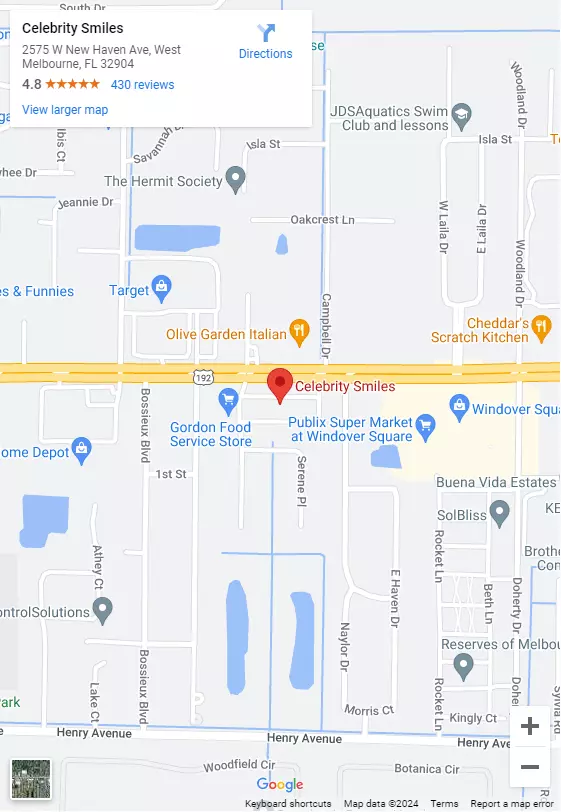
Finding a dentist who provides excellent care without breaking the bank can feel like a challenge, but it’s completely achievable right here in West Melbourne. The key is to shift your perspective: think of dental care not as an expense, but as an investment in your long-term health and confidence. By being proactive and knowing what to look for, you can ensure your smile stays healthy and bright for years to come.
Why Prevention Is Your Best Investment
It’s easy to put off a dental visit when nothing hurts, but the most effective way to manage dental costs is to prevent problems before they start. Taking care of your teeth now with regular check-ups is far more affordable than waiting until you have a painful issue that needs a lot of work. Routine cleanings and exams help catch potential issues like small cavities or gum inflammation when they are simple and less expensive to treat. Think of it as routine maintenance for your smile. The best way to save money is to prevent problems by brushing, flossing, and seeing your dentist regularly.
How to Choose the Right Local Dentist
When you’re looking for a new dentist, you want someone you can trust. Start by looking for a team that is open and transparent. Don’t hesitate to ask for prices; a good office will be upfront about the cost of a procedure before you schedule it. Beyond cost, consider the practice itself. Do they have positive patient reviews? Do they use modern technology? Finding a compassionate, caring staff can make all the difference in your experience. Getting to know the dental team and their philosophy helps ensure you’ve found the right long-term partner for your oral health. Also, ask if they offer in-house plans or financing options, which can make high-quality care more accessible.
Related Articles
- What Happens During a Routine Dental Checkup?
- Why Regular Dental Checkups and Cleanings Matter
- How to Overcome Dental Anxiety for Stress-Free Visits
- Personal Care vs. Corporate Dentistry: Choosing the Right Dental Home
- How to Prepare Your Child for Their First Dental Visit
Frequently Asked Questions
How often do I actually need a dental check-up? For most people, visiting the dentist every six months is the sweet spot. This schedule allows us to stay ahead of potential issues and keep your teeth and gums in great shape. However, your dental health is unique to you. If you have a history of gum disease or other specific concerns, your dentist might recommend more frequent visits. We’ll work with you to create a personalized schedule that makes the most sense for your health.
Is a professional cleaning that different from brushing at home? Yes, it makes a huge difference. While your daily brushing and flossing are essential for clearing away food particles and plaque, they can’t remove everything. Over time, any missed plaque can harden into a substance called tartar, which you can’t scrub away on your own. Our hygienists use special tools to gently remove this tartar, preventing cavities and gum inflammation in a way that home care alone cannot.
What if I don’t have dental insurance? Am I out of luck? Not at all. Many people get excellent dental care without traditional insurance. A great option to explore is an in-house membership plan, where you pay an annual fee directly to the office for preventive care and discounts on other services. This makes budgeting for your health simple and predictable. For more extensive treatments, financing plans can help you break down the cost into manageable monthly payments.
Are dental X-rays safe? This is a common and completely valid question. We use modern digital X-rays, which produce significantly less radiation than older film-based methods. The exposure is minimal, and we only take them when they are truly necessary for diagnosis. These images are incredibly important because they allow us to see what’s happening inside your teeth and jawbone, helping us catch problems like hidden decay or bone loss long before they become visible.
My insurance says it covers 100% of preventive care, so will my visit be free? That “100% coverage” is a fantastic benefit, but it can sometimes come with fine print. Depending on your specific plan, that coverage might only kick in after you’ve paid your annual deductible. Some plans may also require a small, fixed co-pay for every visit. The best way to know for sure is to review your plan details or give our office a call. We’re happy to help you understand your benefits so there are no surprises.