
The difference between a dental crown and a filling is the amount of a tooth each restoration repairs and protects. A filling replaces a limited area removed because of decay or damage, while a crown covers the visible part of a tooth that needs broader support. The right choice depends on how much healthy tooth remains, the location of the damage, cracks, existing dental work, and the forces placed on the tooth. Dr. Anand Shah, DMD evaluates all of these factors before developing a personalized treatment plan.
Call 321-914-0929 to request a reassuring, personalized evaluation of your tooth.
Quick answer: A filling is often considered for a smaller, contained area when the surrounding tooth is strong. A crown may be considered when damage is more extensive or the remaining tooth needs coverage and reinforcement. Only an in-person exam can determine which option is appropriate.
Both treatments are designed to preserve a natural tooth, restore comfortable function, and reduce the chance of further problems. Neither option is automatically best for everyone. Understanding what each restoration does can help you ask informed questions and feel more confident when discussing care with your dentist.
Dental crown vs filling: the key difference
A filling repairs a prepared space within a tooth, while a crown fits over the visible portion of a tooth to provide more extensive coverage. Dentists generally try to preserve as much healthy natural structure as possible while selecting a restoration capable of handling the tooth’s expected workload.
For a filling, the dentist removes decay or damaged material, cleans and prepares the area, and places restorative material directly into the space. Tooth-colored composite resin can be shaped and polished to blend with nearby enamel. Learn more about tooth-colored white fillings and how they are used for appropriate cases.
A crown is a custom restoration that surrounds the part of the tooth above the gumline. The dentist prepares the tooth so the crown can fit securely, then bonds the restoration in place. A crown can restore shape and function while helping protect weakened remaining structure. Celebrity Smiles Melbourne offers porcelain crown treatment for patients whose exam shows that broader coverage may be appropriate.
| Restoration | Typical purpose | Coverage | Typical process | Key durability factors |
|---|---|---|---|---|
| Dental filling | Repairs a limited prepared area | Restores part of the tooth | Often completed in one visit | Size, location, remaining tooth, bite, and home care |
| Dental crown | Restores and protects a weakened tooth | Covers the visible tooth | Same-day care may be available when suitable | Tooth condition, crown material, bite, and home care |
These descriptions are useful starting points, not rules that can replace an exam. A small-looking defect can sometimes extend deeper than expected, and a heavily restored tooth can have vulnerabilities that are not obvious in a mirror. Your dentist needs to assess the complete clinical picture.
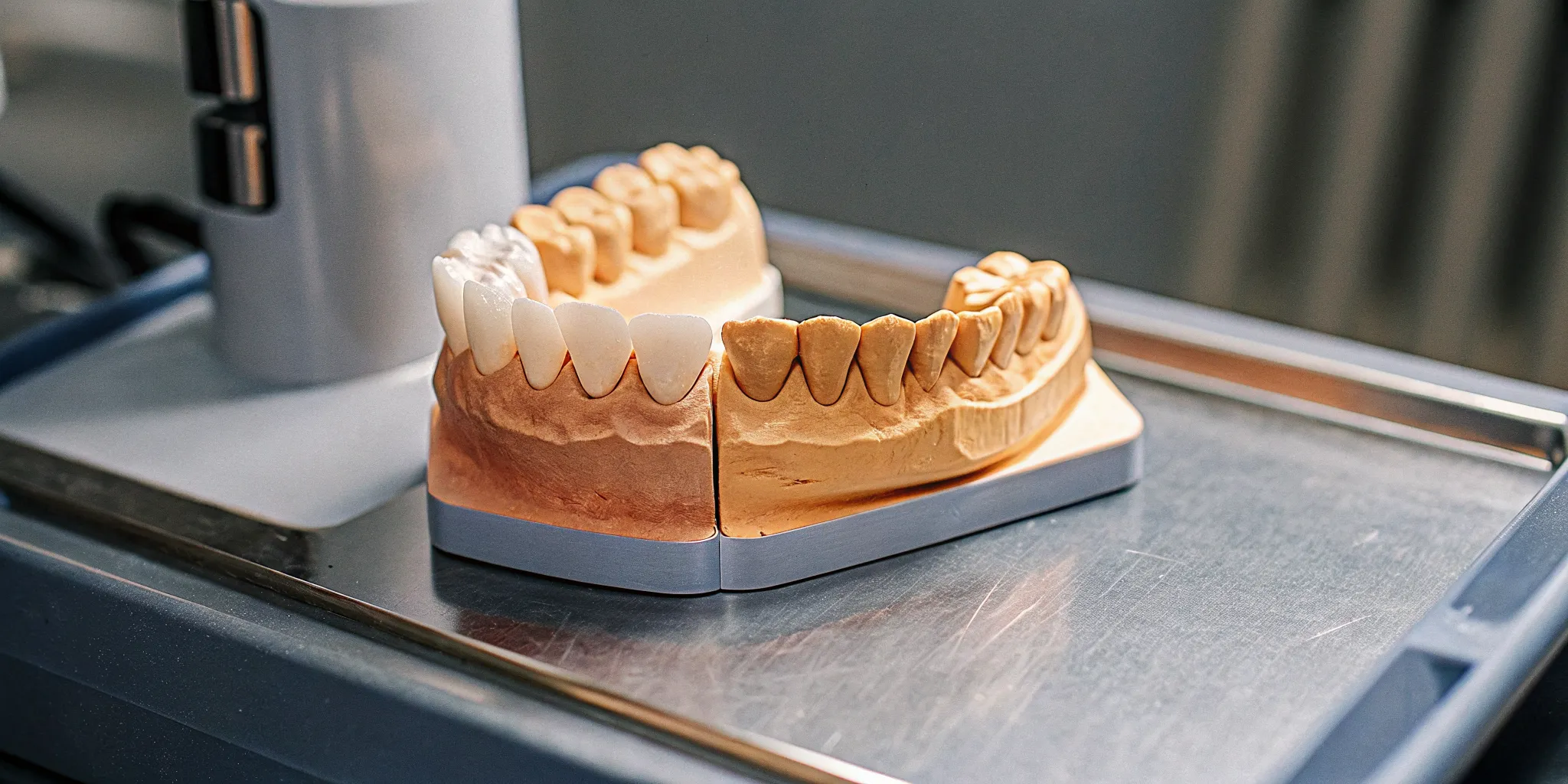
How does a dentist choose between a crown and filling?
Direct answer: A dentist chooses by examining the amount and strength of remaining tooth, the depth and location of damage, cracks, past restorations, symptoms, and bite forces. The final recommendation depends on an in-person exam and a personalized treatment plan.
The goal is not simply to choose the larger restoration. It is to use a treatment that conserves healthy structure while providing enough strength for everyday biting and chewing. Dr. Shah may use a visual examination, digital imaging, bite evaluation, and other clinical tests to understand the tooth before discussing options.
Amount of healthy tooth remaining
A contained area surrounded by strong enamel and dentin may be suitable for a filling. As the damaged or restored area becomes wider, the walls and biting surfaces that remain may become less able to support chewing pressure. A crown can be considered when the tooth needs coverage to distribute forces more broadly.
There is no single percentage that determines the answer for every patient. Tooth anatomy, the surfaces involved, prior treatment, and material choices all matter. A dentist should avoid making a recommendation from size alone.
Cracks, fractures, and existing dental work
A visible crack, a fractured cusp, or a very large existing filling can change the treatment discussion. Some cracks are limited, while others may extend in a way that affects whether a tooth can be predictably restored. An exam is essential because symptoms alone cannot show the crack’s full extent. Read about care for a cracked, chipped, or fractured tooth.
Old restorations also need careful evaluation. A filling can wear, chip, leak, or develop decay around its edges. Sometimes it can be replaced with another filling. In other cases, the remaining tooth may benefit from a crown. The dentist must remove compromised material and inspect the tooth before confirming the plan.
Tooth location and bite forces
Back teeth routinely handle substantial chewing forces. The number of surfaces affected, the shape of the remaining cusps, and a patient’s bite can influence whether a filling provides enough support. Grinding or clenching may add stress to either restoration, so the dentist may also discuss ways to protect the teeth.
Front teeth face different functional and cosmetic demands. A limited defect may be restored with composite, but a more extensive fracture or other concern may require a different approach. Treatment should balance appearance, function, healthy structure, and long-term maintainability.
Symptoms and the health of the tooth
Sensitivity, pain when biting, swelling, or a change in the tooth may signal a problem, but these symptoms do not diagnose whether someone needs a crown or filling. The dental pulp, gums, supporting bone, and nearby teeth may also need evaluation. Depending on the findings, care other than a filling or crown may be discussed.
Modern diagnostic tools can help the dentist understand what is happening beneath the visible surface. Celebrity Smiles Melbourne uses advanced planning tools, including digital scanning and CBCT 3D imaging when clinically appropriate. Learn more about the practice’s dental technology.
When might a dental filling be considered?
Direct answer: A filling may be considered when decay or damage is limited, the affected area can be cleaned and restored, and enough strong natural tooth remains to support the repair.
Fillings are a conservative and common form of restorative care. They are frequently used for cavities discovered before too much structure has been lost. Composite resin can also help repair certain small chips or replace an existing filling, depending on the condition of the tooth.
Restoring a contained area
During treatment, the dentist removes compromised tooth material while preserving healthy structure. The prepared area is cleaned, conditioned, and restored. With composite, the material is placed in layers, hardened, shaped, and polished. The dentist then checks how the tooth meets its partner when the patient bites.
A filling works within the remaining tooth, so it relies on the tooth around it for support. This is one reason early evaluation is valuable. Treating a contained problem can sometimes allow a more conservative restoration than waiting until more of the tooth is affected.
Benefits of a filling
For an appropriate tooth, a filling can restore function without covering the entire visible tooth. Tooth-colored composite can be selected to coordinate with the smile and is often completed in one appointment. The amount of preparation and visit length vary according to the location and complexity of the area.
A filling is not a shortcut or a lesser version of a crown. It is a different treatment intended for a different clinical situation. When the surrounding tooth is healthy and the forces are manageable, a well-planned filling may be the suitable conservative option.
Limits of a filling
A filling does not surround and cover weakened cusps. If a defect is extensive, placing a very large filling may leave thin sections of tooth exposed to chewing forces. That does not mean every large filling must become a crown, but it does mean the dentist should carefully assess the risks and alternatives.
Fillings can wear or develop chips and gaps over time. New decay can also occur around any restoration if plaque accumulates at its edges. Daily brushing with fluoride toothpaste, cleaning between teeth, routine dental visits, and attention to changes can support the health of the restored tooth.
When might a dental crown be considered?
Direct answer: A crown may be considered when a tooth is too weakened or extensively damaged for a filling to provide adequate support, including some teeth with large restorations, fractures, or root canal treatment.
A crown restores the external shape of a prepared tooth and covers its visible surfaces. This design can help hold vulnerable areas together and spread biting forces. Before recommending one, the dentist evaluates whether the tooth and its supporting tissues can be restored and whether another option would be more appropriate.
Large areas of damage or weakness
Extensive decay, a fractured cusp, or a large failing restoration may leave limited natural structure. A crown can be used to rebuild form and provide broader protection. However, the dentist first needs to assess the location and depth of the problem. A crack that extends too far or a tooth with other significant issues may require a different treatment discussion.
Crown materials include ceramics and other options selected according to the tooth, appearance goals, bite, and clinical needs. The fit at the crown margin and the way the restoration meets opposing teeth are important. Good planning and follow-up care matter as much as the material itself.
Teeth after root canal treatment
Some teeth that have received root canal treatment benefit from a crown because of lost structure, previous decay, or the forces they must withstand. This is especially common for back teeth, but the recommendation varies. The dentist considers how much tooth remains, where the tooth is located, and what restoration can support it.
A root canal does not automatically mean every tooth needs the same restoration. Front and back teeth can have different needs, and each case should be evaluated individually. Your care team can explain why a particular restoration is recommended for your tooth.
Same-day crown technology
Celebrity Smiles Melbourne offers same-day crown technology for suitable cases. Digital scanning can capture the prepared tooth, and CAD/CAM technology can help design and create a custom restoration in the office. This can reduce the need for a temporary crown and a separate placement visit.
Same-day crowns are available, but suitability varies. The location of the tooth, material needs, complexity, and broader treatment plan can make a laboratory-made restoration more appropriate. Dr. Shah will explain the expected process after examining the tooth.
What happens during each restoration process?
Direct answer: Both processes begin with an exam, diagnosis, and personalized plan. A filling is placed into a prepared area, while a crown requires shaping the tooth, creating a custom restoration, and bonding it over the prepared tooth.
Exam and treatment planning
Dr. Shah first reviews concerns, symptoms, dental history, and relevant health information. He examines the tooth, checks the bite, and uses imaging when appropriate. The team then explains the findings, reasonable treatment choices, expected steps, and care instructions so the patient can make an informed decision.
If someone has severe pain, swelling, trauma, or a broken tooth, prompt assessment may be important. Celebrity Smiles Melbourne provides emergency dental care for urgent concerns. Calling the office allows the team to advise on the next appropriate step.
Filling appointment
For a filling, the area is numbed as appropriate and compromised material is removed. The dentist prepares the space and places the selected restorative material. Composite is shaped and hardened in stages. The final restoration is polished, and the bite is checked to reduce unwanted pressure.
Some temporary sensitivity can occur after restorative treatment, but experiences vary. The team provides specific aftercare guidance and explains when to call. Persistent, worsening, or severe symptoms should be reported rather than self-diagnosed.
Crown appointment
For a crown, the tooth is numbed as appropriate and prepared so a custom crown can fit over it. Digital scans or impressions record the tooth and bite. If a same-day crown is suitable, the restoration may be designed, made, adjusted, and bonded during the visit. Otherwise, a temporary may protect the tooth while a dental laboratory creates the final crown.
Before bonding the final restoration, the dentist evaluates fit, contacts with nearby teeth, appearance, and bite. Adjustments may be made so the crown functions comfortably. Follow-up recommendations depend on the tooth and treatment.
- Evaluation: The dentist examines the tooth and reviews relevant imaging.
- Personalized plan: Findings, alternatives, limitations, and expected steps are discussed.
- Preparation: Compromised material is removed and the tooth is prepared for the selected restoration.
- Placement: A filling is shaped within the tooth, or a custom crown is fitted over it.
- Bite check: The restoration is checked and adjusted as needed.
- Aftercare: The patient receives instructions for protecting the restored tooth.
Which lasts longer, a crown or a filling?
Direct answer: Crowns often serve longer than fillings in teeth that need extensive reinforcement, but neither restoration has a guaranteed lifespan. Longevity depends on the original condition, restoration size and material, bite forces, oral hygiene, and ongoing dental care.
Comparing average lifespan numbers without considering the tooth can be misleading. A small filling and a crown usually solve different problems. A conservative filling in a suitable tooth may perform very well, while a crown may offer the coverage a heavily weakened tooth needs. The best measure is whether the restoration is appropriate for the clinical situation.
Factors that affect durability
Grinding and clenching can place substantial pressure on teeth and restorations. Chewing ice, opening packages with teeth, and biting very hard items can also increase the chance of damage. A dentist may identify signs of excessive force and discuss protective strategies based on the patient’s needs.
Home care is equally important. Decay can develop where a filling or crown meets natural tooth structure. Brush thoroughly with fluoride toothpaste, clean between teeth daily, and keep recommended dental visits. These habits help the team monitor restoration edges, gum health, bite changes, and early signs of a problem.
Signs that a restoration needs attention
Contact a dentist if a restored tooth develops new pain, sensitivity that persists or worsens, a rough or sharp edge, movement, an unusual taste, swelling, or a change in the bite. A lost filling or crown also deserves prompt attention. Avoid trying to permanently repair it at home because the tooth and restoration need professional evaluation.
Not every symptom means a restoration has failed. The source could be the restored tooth, another tooth, the gums, or the bite. An examination is the safest way to understand the concern and decide whether monitoring, adjustment, repair, replacement, or another treatment is appropriate.
How do cost and convenience compare?
Direct answer: A filling commonly involves less preparation and a lower initial cost than a crown, while a crown involves a custom restoration and more extensive treatment. Exact cost and visit needs depend on the tooth, materials, insurance, and personalized plan.
It is understandable to compare treatment by price, but the least expensive initial option is not always appropriate for a weakened tooth. Likewise, a crown is not justified when a conservative filling can predictably address a limited problem. The dentist should explain the clinical reason for each recommendation and the consequences of delaying care.
Insurance benefits vary by plan, and coverage does not determine what is clinically suitable. Ask the office for a treatment estimate and verify benefits before care. Financing approval and coverage cannot be guaranteed. The team can help clarify available information, but patients should confirm details with their insurer or financing provider.
Convenience also varies. Fillings are often completed in one visit, and same-day crowns are available for appropriate cases. More complex needs may require additional visits, specialist input, or a laboratory restoration. Choosing the right plan should prioritize the health and function of the tooth rather than speed alone.
How can you care for a crown or filling?
Direct answer: Care for either restoration by brushing with fluoride toothpaste, cleaning between teeth, avoiding damaging habits, and attending recommended dental exams. Report new symptoms or changes promptly.
A restoration repairs part of a tooth, but it does not make the tooth immune to future decay, gum problems, or fracture. Clean carefully where the restoration meets the tooth and around the gumline. Your dental team can demonstrate flossing or other cleaning methods if access is difficult.
After treatment, follow the instructions provided for eating, numbness, sensitivity, and any temporary restoration. Do not chew until numbness has resolved, since it can be easy to bite the cheek or tongue without realizing it. If the bite feels uneven once numbness is gone, contact the office for guidance.
Routine visits allow the dentist to inspect the tooth and restoration before a small concern becomes more extensive. The recommended schedule varies according to oral health and risk factors. Celebrity Smiles Melbourne combines advanced technology with relationship-focused care, and you can learn more about Dr. Anand Shah, DMD and the practice.
Making a confident, personalized decision
A dental crown vs filling decision should be based on the condition of the specific tooth, not a one-size-fits-all rule. Fillings can conservatively restore limited areas. Crowns can provide broader coverage for teeth that need reinforcement. Both can be valuable when selected and placed for the right reasons.
Dr. Anand Shah, DMD will explain what the exam shows, discuss appropriate options, and develop a personalized treatment plan. No article can diagnose a tooth or promise an outcome. If you have pain, a broken tooth, swelling, or concerns about an old restoration, arranging an evaluation is the safest next step.
Frequently asked questions
Can a large filling be replaced with a crown?
A dentist may recommend replacing a large or failing filling with a crown when the remaining tooth needs broader protection. The right treatment depends on an exam, imaging when appropriate, bite forces, and a personalized treatment plan.
Is a crown always better than a filling?
No. A filling can be the more conservative option for limited damage when enough healthy tooth remains. A crown may be considered when a tooth is substantially weakened, cracked, or heavily restored.
Can a dental crown be completed in one visit?
Same-day crowns are available at Celebrity Smiles Melbourne for appropriate cases. Suitability varies, and some teeth or treatment plans may require a laboratory-made crown and more than one visit.
How do I know whether tooth pain needs urgent care?
Promptly call a dentist for severe or worsening pain, facial swelling, fever, trauma, uncontrolled bleeding, or a broken tooth. Only an in-person exam can identify the cause and appropriate treatment.