
If you have had a root canal, you may wonder, do you need a crown after a root canal in West Melbourne, FL? The answer depends on the tooth and how much healthy structure remains. A crown is often discussed to protect a treated tooth, but root canal treatment does not automatically mean every tooth needs one. An exam helps your dentist assess your tooth and explain the options.
Request an Appointment at Celebrity Smiles Melbourne
Why might a crown be discussed after root canal treatment?
Root canal treatment addresses infected or inflamed tissue inside a tooth. After the inside of the tooth has been treated, the tooth still needs a suitable restoration to seal and restore its shape and function. A filling, an onlay, or a crown may be considered. The right choice depends on the tooth’s condition, its position, and the amount of sound tooth structure that remains.
A crown is a custom covering that fits over the prepared portion of a tooth. It can restore the tooth’s outer shape and provide coverage around the remaining structure. Your dentist may discuss one when a tooth has lost substantial structure because of decay, a fracture, or the access needed for treatment. A crown is not a guarantee against every future problem, and it is not automatically required solely because a root canal was performed.
The goal of a consultation is to understand your specific risks and choices. A tooth that is intact with limited damage may have different needs from one with a large existing filling or a visible crack. Your dentist can review the findings with you and explain why a particular restoration is being recommended.
What factors affect whether a tooth needs a crown?
Several details matter. Your dentist will consider the tooth as a whole, not just whether it has had a root canal. Common factors include:
- How much healthy tooth remains: A large cavity, old filling, fracture, or treatment opening can leave less structure to support a restoration.
- Which tooth was treated: Back teeth generally handle substantial chewing forces. The shape and location of a front tooth create different functional and appearance considerations.
- Cracks or other damage: A crack may affect how well a tooth can be restored. Its position and extent need professional evaluation.
- Your bite and use of the tooth: The way your teeth meet and the forces placed on the tooth can help inform a restoration plan.
- Existing dental work: The size and condition of fillings or prior restorations may change how much sound structure is available.
- Your overall treatment needs: Your oral health, symptoms, preferences, and ability to care for the restoration are part of the conversation.
These points are not a self-diagnosis checklist. A tooth can look fine in a mirror while having damage that is not easy to assess at home. Likewise, having a root canal does not by itself tell you which restoration is best. An in-person examination and appropriate imaging help the dentist evaluate the tooth before making a recommendation.
Does every root canal-treated tooth need a crown?
No single rule fits every tooth. A crown may be recommended when there is significant loss of tooth structure or when the dentist believes coverage is appropriate to restore the tooth. In other cases, a different restoration may be considered. The clinical decision turns on the actual tooth, rather than a universal rule that every root canal must be followed by a crown.
Back teeth and front teeth have different shapes and roles, so they may not be restored the same way. A molar used for chewing may face different forces than an incisor near the front of the mouth. Still, location alone does not determine the answer. The amount of remaining structure, any cracks, prior dental work, and your bite all matter.
Ask your dentist to show or describe the findings behind the recommendation. You can ask what alternatives may be appropriate, what could happen if you delay, and how the proposed restoration will be planned. If you want to learn about the practice’s porcelain crown care or its broader dental services, review those resources before your appointment and bring your questions.
How does tooth location change the conversation?
Tooth location provides useful context, but it should not be treated as a shortcut to a treatment decision. The back teeth, including premolars and molars, do much of the work of breaking down food. Their chewing surfaces and the forces they receive may be part of the dentist’s assessment. If a back tooth has a large filling or weakened walls, the dentist may discuss a restoration that covers more of its remaining structure. The exact recommendation still depends on what the examination shows.
Front teeth have a different shape and role. They help bite into food and are visible when you smile. A dentist may consider the remaining structure, existing damage, appearance, and the way the tooth meets opposing teeth. A front tooth with limited damage may have different options from one with a large fracture or extensive prior restoration. Neither the visible position nor the fact of root canal treatment alone answers whether a crown is appropriate.
Adjacent teeth and the overall bite can also matter. For example, if the treated tooth contacts another tooth heavily during chewing, the dentist may want to understand that contact before choosing a restoration. If the tooth is part of a larger restorative plan, the recommendation may take that plan into account. These are reasons to ask your clinician to explain how the tooth functions in your mouth rather than relying on a general rule for all molars or all front teeth.
How does a dentist evaluate the tooth?
Your dentist will ask about the root canal, any temporary or permanent restoration already placed, and what you have noticed since treatment. Be ready to describe discomfort, sensitivity, a change in your bite, or damage you can see. This information gives context, but it does not replace an examination.
The dentist may examine the tooth and surrounding tissues, check how your teeth meet, and review dental images when needed. Imaging can help evaluate the tooth and supporting structures, but the choice to take or use images depends on your situation. Celebrity Smiles uses dental technology that includes CBCT 3D imaging and digital intraoral scanning; your clinician can explain whether any imaging or scan is appropriate for your evaluation.
During the visit, the dentist can discuss whether the tooth appears restorable and what kind of restoration may fit the findings. If a crown is recommended, ask what preparation is involved and whether another option is reasonable. You can also ask how the team will check the fit and bite. Final recommendations depend on an in-person exam and an individualized treatment plan.

What information can you bring?
A little preparation can make the conversation more specific. If another office performed the root canal, tell your current dentist when it was done and whether a temporary filling or other restoration was placed afterward. Bring any treatment instructions or records you already have, if available. Mention whether the tooth feels different when you bite, whether a temporary restoration has changed, and when symptoms began. These details do not establish a diagnosis, but they help the dentist understand the timeline and decide what to assess.
It can also help to identify your main concern before the visit. You may be focused on protecting the tooth, understanding whether full coverage is necessary, or planning around treatment timing. Share that priority openly. Ask the dentist to distinguish what is needed now from what can be discussed as a later choice, and to explain any uncertainty. If the recommendation is not clear, it is reasonable to ask for a plain-language explanation of the examination findings.
What are the restoration options?
The choices below are general categories, not a prediction of what your tooth needs. The dentist can explain which options are clinically suitable after examining you.
| Option | What it generally does | What to discuss |
|---|---|---|
| Filling | Restores a limited area of missing tooth structure. | How much sound structure remains and whether the tooth can support this restoration. |
| Onlay or partial coverage | Covers part of the tooth when a more extensive restoration than a filling is being considered. | Whether the tooth’s shape and remaining walls make partial coverage appropriate. |
| Crown | Covers the prepared tooth to restore its form and provide coverage around remaining structure. | Why full coverage is recommended, the preparation involved, and expected care afterward. |
| Further evaluation or a different plan | Addresses questions about cracks, symptoms, or whether the tooth can be restored as planned. | What the exam shows, whether another opinion is useful, and the timing of next steps. |
This table is a conversation aid, not a substitute for a diagnosis. A restoration’s suitability depends on the tooth and your circumstances. There is no responsible way to choose a crown or another option from a search result or a photograph alone.
How can you compare the options with your dentist?
Instead of asking only which option is the least extensive, ask how each suitable option addresses the specific condition of your tooth. A filling may restore a smaller area, while an onlay or crown covers more of the tooth. The dentist can explain what preparation each would require and whether the remaining structure can support it. More coverage is not automatically the right answer for every tooth, and a smaller restoration is not necessarily appropriate if the tooth needs additional support.
Consider asking what the dentist expects the restoration to do, what limitations apply, and what signs should prompt a follow-up. Ask whether the choice would change if the tooth has a crack or if more damage is found during preparation. Discuss how the restoration will fit your bite and what adjustments might be needed afterward. Those questions help you compare the purpose and tradeoffs of the options, not just their names.
When a tooth’s condition is uncertain, the next step may be additional assessment rather than an immediate choice between a filling and a crown. Ask what needs clarification and whether waiting for that information changes the timing of care. Your dentist should explain the reasoning and any practical next steps. A treatment plan should reflect your tooth’s findings and your preferences, not a promise that one restoration is best for everyone.
What happens if a crown is recommended?
Your dentist should walk you through the sequence and answer questions before treatment begins. Depending on the plan, the tooth may need preparation so the restoration can fit. An impression or digital scan may be used to help plan its shape. The restoration is then made or selected according to the treatment approach, and the dentist checks the fit and bite when it is placed.
The exact number and timing of visits depend on the tooth and the plan. Do not assume that a crown can be completed in one appointment or that same-day treatment is suitable for every patient. Ask whether a temporary restoration is expected, what to do while waiting, and whom to contact if it loosens or the tooth feels different.
If you already have a temporary filling or crown, follow the instructions you received. Avoid chewing on the area if your dentist advised you to do so, and contact the office if the temporary restoration comes out or you develop a concern. Do not try to glue a crown back with household products. A dentist can tell you how quickly the tooth should be checked.
What should you clarify about timing?
Ask which steps are planned and what must happen before the final restoration is placed. Your dentist can explain whether the tooth currently has a temporary restoration, whether another visit is needed, and what interval is suitable in your case. The answer can vary with the tooth’s condition and treatment plan, so a generic timeline should not replace instructions from the clinician who examined you.
Before leaving, make sure you know how to care for the tooth between visits and how to reach the office if something changes. If the temporary restoration feels loose, breaks, or comes out, contact the dental team for directions instead of improvising a repair. If your bite feels noticeably uneven after placement, ask the office whether it should be checked. Small practical questions are worth raising because they help you follow the plan safely.
What should you ask before deciding?
A clear explanation can make a treatment discussion easier. Consider bringing these questions to your visit:
- What did you see on the exam or images that leads you to recommend a crown?
- How much healthy tooth structure remains, and is there a crack or other concern?
- Would a filling or partial-coverage restoration be appropriate? Why or why not?
- What are the potential risks of waiting, and how soon should I decide?
- What are the steps, visits, and expected recovery or adjustment period?
- How should I care for the tooth before and after the restoration is placed?
- What should I do if I have pain, swelling, or a problem with a temporary restoration?
- Can you explain the estimated fees and how to check my individual insurance benefits?
You can also ask to see the area or images that inform the plan, when that is practical. Ask the dentist to explain which findings are certain and which depend on what becomes visible during treatment. If you want time to consider your options, ask what time frame is reasonable and whether any interim precautions are needed. A useful discussion should leave you understanding the proposed next step, not feeling that you have to guess at the consequences of each choice.
Costs and insurance benefits vary by plan and treatment details. Ask the office to review your proposed care and any available financial information; do not assume coverage or financing approval in advance. Celebrity Smiles provides financial information and information about dental insurance that you can use to prepare questions. Confirm current details directly with the practice and your insurer.
What should you do while waiting for an appointment?
Follow the instructions from the dentist who performed your root canal. If you have not yet received a final restoration, ask that office what precautions are appropriate for your tooth. Avoid using the untreated or temporarily restored tooth to bite hard foods if that was part of your clinician’s advice. Keep up with gentle brushing and cleaning around the area, unless your dentist has told you otherwise.
Contact a dental office promptly if you notice new or worsening pain, swelling, a broken tooth, or a restoration that has come loose. Those symptoms do not identify the cause on their own, but they deserve professional attention. If you have severe symptoms or feel unwell, seek appropriate urgent care. For dental concerns that need timely assessment, you can learn about emergency dental care and contact the office for guidance.
Which changes should you mention when you call?
Describe what changed, when it began, and whether the discomfort occurs on its own or when you bite. Tell the office if a temporary filling or crown has loosened or come out. If there is swelling or a visible break, mention that as well. These details help the team understand your concern and advise you about an appropriate next step. Avoid trying to diagnose the cause yourself or relying on home remedies in place of an examination.
If you have a scheduled appointment but your symptoms change before then, contact the dental office and ask whether the timing should be reconsidered. The urgency depends on the situation, and the office can guide you based on the information you provide. For severe or rapidly worsening symptoms, seek urgent professional care. Keep any instructions you receive so you can follow them and share them at your visit.
How can you plan for a useful evaluation in West Melbourne?
Choose an appointment when you can describe the treatment history and ask questions without rushing. If another dentist or endodontist treated the tooth, mention the office and when the procedure occurred. You can request that relevant records or images be shared if they may help the evaluating dentist, but do not postpone contacting a dentist when you have a current concern just because you are waiting on paperwork.
Before the visit, write down any changes in sensation, chewing, or the way your teeth meet. Note whether the tooth has a temporary or permanent filling and whether you have been given a recommendation already. During the appointment, ask the dentist to compare the options that are appropriate for the tooth and explain any limits. If the plan includes a crown, clarify preparation, temporary care, follow-up, and the way fees and insurance questions will be handled. If another restoration is being considered, ask what findings make it suitable.
Celebrity Smiles is a privately owned practice in West Melbourne led by Dr. Anand Shah, DMD. The team provides comprehensive care, and the office can help you arrange an evaluation to discuss a treated tooth. Find information about the dentists and dental technology before your visit. For general oral-health information, the American Dental Association is a professional resource; questions about your own tooth should be answered by your dentist.
If you are unsure whether a tooth needs a crown, do not try to decide from the fact that it had a root canal alone. An exam lets your dentist explain the tooth’s condition, compare appropriate restoration options, and help you choose a next step that fits your needs.
Request an Appointment to Discuss Your Tooth and Crown Options
Frequently Asked Questions
How soon after a root canal should I ask about a crown?
Ask the dentist treating you what timing is appropriate for your tooth. The answer depends on its condition and the restoration plan. If you have a temporary restoration or new symptoms, contact the dental office for specific instructions rather than waiting for a routine visit.
Can I wait to get a crown after a root canal?
Whether waiting is reasonable depends on the amount of remaining tooth structure, any damage, and the dentist’s findings. Ask what risks apply in your case and how soon the recommended restoration should be completed. Do not assume that delay is harmless or that every tooth has the same timeline.
Does a front tooth always need a crown after a root canal?
No. A front tooth’s location does not, by itself, determine whether it needs a crown. The dentist will consider how much structure remains, the tooth’s condition and function, and suitable restorative options.
Will a crown stop all future problems?
No restoration can guarantee that a tooth will never develop another problem. Good home care, regular dental visits, and following your dentist’s instructions support ongoing oral health, but the tooth should still be monitored.
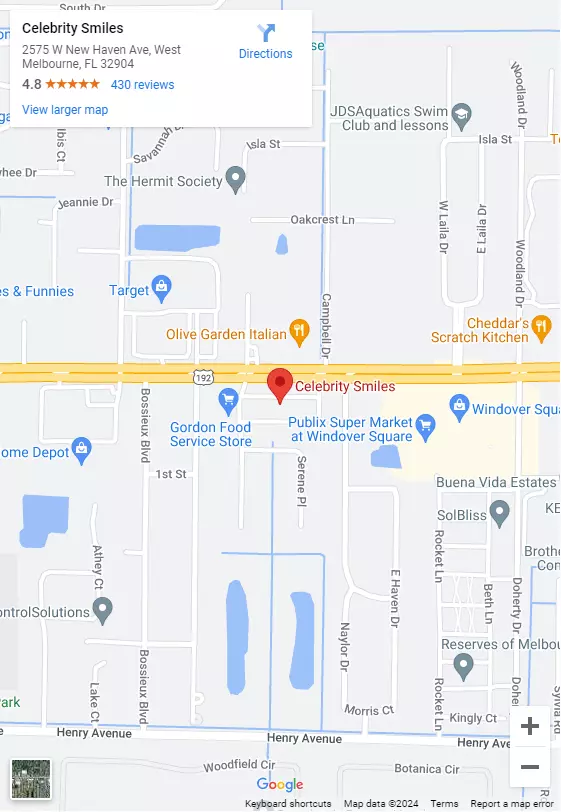
Where can I discuss a crown after a root canal in West Melbourne?
You can request an evaluation with Celebrity Smiles in West Melbourne. The dentist can examine the tooth, discuss appropriate options, and explain a personalized plan. You can also read about new patient information before requesting an appointment.
Each tooth and treatment history is different, so an in-person evaluation is the best way to understand your options and plan appropriate care.