
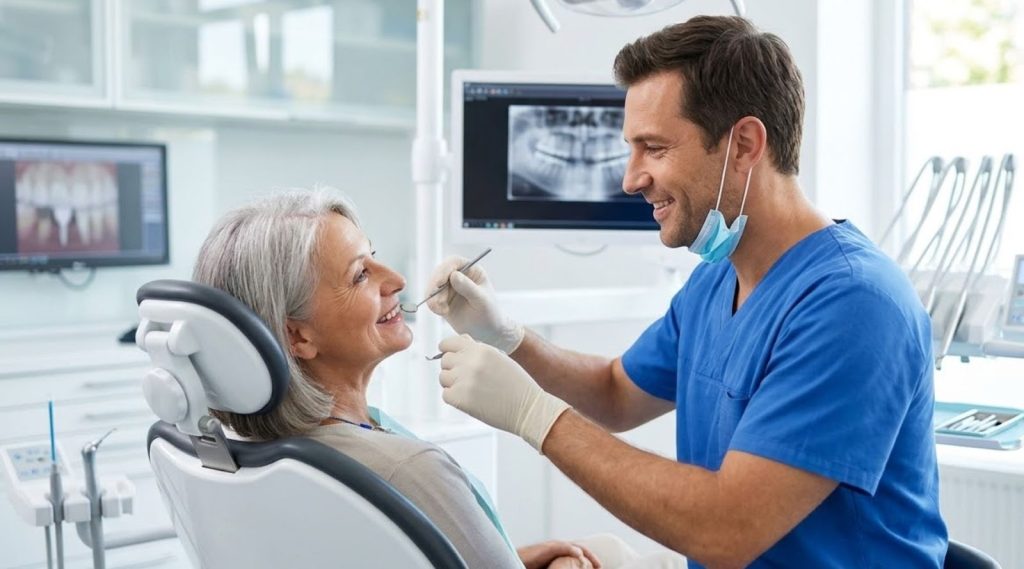
Proper care of dental implants is essential to preserve their longevity and maintain overall oral health. If you have Dental Implants in West Melbourne, consistent maintenance helps ensure they remain stable and functional for years to come. Implants provide a reliable replacement for missing teeth, but they require specific daily and professional care to stay in optimal condition. This article explains daily cleaning methods, the role of professional maintenance, warning signs of complications, lifestyle factors that influence longevity, and recommended products to support effective care. Understanding these areas will help you extend the service life of your implants and maintain a healthy smile.
Recent research underscores the critical role of diligent implant care in long-term oral health.
Dental Implant Hygiene & Maintenance Protocols
This study examined implant-related training and clinical practices of oral health practitioners in Australia, focusing on oral hygiene instructions and maintenance protocols to clarify their role in providing peri-implant services.
Dental Implant Hygiene and Maintenance Protocols: A survey of oral health practitioners in Australia, MS Hopcraft, 2021
Daily Cleaning Techniques
Daily cleaning prevents plaque accumulation and supports implant health. Brushing and interdental cleaning remove food debris and bacteria that can lead to complications. Use a soft-bristled toothbrush and non‑abrasive toothpaste to protect implant surfaces, and employ interdental brushes or implant-specific floss to reach difficult areas effectively.
Adding an antimicrobial mouthwash to your routine can reduce oral bacteria, help prevent infection, and support overall gum health.
For high-quality dental care products, Celebrity Smiles offers a range of specialized oral-hygiene tools designed for implant maintenance. These products support an effective, gentle cleaning routine.
Recommended Cleaning Products
Selecting appropriate products improves implant care. The following items are commonly recommended for daily maintenance:
- Soft-Bristled Toothbrush : A gentle toothbrush helps prevent damage to the implant surface while effectively removing plaque.
- Interdental Brushes : These brushes are designed to clean between teeth and around implants, ensuring thorough hygiene.
- Antimicrobial Mouthwash : A mouthwash that targets bacteria can help maintain a healthy oral environment.
Using these products daily can improve implant hygiene and support long-term success.
Professional Maintenance Schedule
Regular professional maintenance is vital to implant longevity. Schedule dental checkups every six months, or more frequently if advised by your dentist based on your oral-health needs. During appointments, your dentist will perform thorough cleanings and assess for signs of complications such as gum disease or implant instability.
Professional dental hygienists play a key role in assessing and maintaining implant health during these routine visits.
Dental Implant Assessment & Maintenance Practices
This study explored the attitudes and practices of dental hygienists in the United States regarding implant assessment and maintenance care. The majority of respondents routinely assessed patients for bleeding/exudate, mobility, plaque/calculus, and tissue color around implants, while 34% rarely or never checked for cement around implants.
Dental hygienists’ knowledge regarding dental implant maintenance care: A national survey, 2020
Professional cleanings remove tartar that home brushing may not eliminate. Your dentist can also provide personalized guidance based on your clinical situation. Regular visits reduce the risk of complications and help keep implants in excellent condition.
Dental professionals generally evaluate home care effectiveness alongside professional maintenance to ensure comprehensive implant longevity.
Dental Implant Home & Professional Care Protocols
The review noted that the use of irrigation instruments was frequently considered. For professional maintenance, most studies also evaluated home care efficacy.
Maintenance protocols for implant-supported dental prostheses: A scoping review, PM Soares, 2024
How Often Should You Schedule Professional Dental Implant Cleanings and Checkups?
Arrange professional implant cleanings and checkups every six months. Patients with specific concerns or a history of issues may require more frequent visits. Regular monitoring enables your dentist to detect and address problems promptly.
Warning Signs of Implant Problems
Recognizing warning signs early enables timely intervention. Common symptoms to monitor include:
- Pain at the Implant Site : Persistent pain or discomfort around the implant may indicate an underlying issue.
- Swelling and Redness : Inflammation of the gums surrounding the implant can signal infection or other complications.
- Loose Implants : If you notice any movement or looseness in your implant, it is essential to contact your dentist immediately.
Addressing these signs early can prevent more severe complications and support the long-term success of your dental implants.
Lifestyle Factors Affecting Implant Longevity
Lifestyle factors influence implant longevity. A balanced diet rich in vitamins and minerals supports oral health. Foods high in calcium and vitamin D help maintain the bone and gum support that implants require.
Avoiding tobacco is essential, as smoking impairs healing and increases the risk of implant failure. Consistent oral hygiene, including regular brushing and interdental cleaning, is also vital to protect implants and surrounding tissues.
Dietary Considerations
- Dairy Products : Rich in calcium and vitamin D, these foods support bone health.
- Leafy Greens : High in vitamins and minerals, they promote overall oral health.
- Lean Proteins : Essential for tissue repair and maintenance.
A nutritious diet supports implant longevity and overall oral health.
Recommended Products
Selecting appropriate products can assist in maintaining implant health. Consider items that provide gentle, effective cleaning and bacterial control.
| Product Type | Recommended Product | Purpose |
|---|---|---|
| Toothbrush | Soft-Bristled Toothbrush | Gentle cleaning of implants |
| Floss | Implant-Specific Floss | Effective cleaning around implants |
| Mouthwash | Antimicrobial Mouthwash | Reduces bacteria and promotes gum health |
Incorporating these products into your daily routine helps maintain implant condition.
If you are considering alternatives to traditional braces, Clear aligners offer a discreet and convenient option. They are custom-made to fit comfortably and gradually move teeth into the desired position.
In summary, caring for dental implants requires daily cleaning, regular professional maintenance, and awareness of potential warning signs. A proactive approach and appropriate products will help you enjoy the benefits of your implants for many years. For personalized care and quality dental products, Celebrity Smiles in West Melbourne provides tailored dental services.
If you have questions or wish to schedule an appointment, contact us today. We look forward to assisting with your dental care needs.
Frequently Asked Questions
What are the common causes of dental implant failure?
Dental implant failure can result from infection, insufficient bone density, or improper placement. Excessive stress from tooth grinding and poor oral hygiene also increase risk. Systemic health conditions such as diabetes or autoimmune diseases can impede healing and integration of the implant. Regular checkups and diligent oral hygiene reduce these risks and support long-term success.
How can I manage discomfort after getting dental implants?
Post-operative discomfort is common. Your dentist may recommend over-the-counter pain relievers or prescribe medication. Applying a cold compress to the outside of the cheek can reduce swelling. Follow your dentist’s aftercare instructions, which may include a soft diet and avoiding strenuous activity. If pain persists or worsens, contact your dentist for further evaluation.
Can I still get cavities with dental implants?
Dental implants themselves cannot develop cavities, but adjacent natural teeth and gum tissue remain susceptible to decay and disease. Maintain rigorous oral hygiene, including regular brushing and interdental cleaning, and attend dental checkups to monitor the health of both implants and surrounding tissues.
Are there any dietary restrictions after getting dental implants?
After receiving dental implants, follow a soft diet during the initial healing period, typically several days to a week. Avoid hard, crunchy, or sticky foods that may stress the implant site. Once healed, reintroduce a normal diet gradually while maintaining a balanced intake of vitamins and minerals, with particular attention to calcium and vitamin D.
How do I choose the right dental care products for my implants?
Choose a soft-bristled toothbrush to protect implant surfaces, and use implant-specific floss or interdental brushes for effective cleaning around implants. An antimicrobial mouthwash can reduce bacterial load and support gum health. Consult your dentist for personalized recommendations based on your clinical needs and the type of implants you have.
What should I do if I notice signs of infection around my implant?
If you observe swelling, redness, or discharge around an implant, contact your dentist immediately. Early intervention can prevent more severe complications, including implant failure. Your dentist will examine the site and may recommend antibiotics or additional cleaning procedures. Prompt attention is essential to preserve the health of the implant and surrounding tissues.
Conclusion
Proper care of dental implants is essential for their longevity and for maintaining overall oral health. Implement consistent daily cleaning, attend regular professional maintenance, and remain alert to warning signs. These measures, combined with appropriate products, will help you preserve your implants for years to come. For personalized care and high-quality dental products, explore our services at Celebrity Smiles in West Melbourne .