Persistent bad breath can feel frustrating, especially when brushing and mints do not seem to help. If you are looking for a persistent bad breath dentist in West Melbourne, FL, a dental evaluation can help check for common oral causes and clarify what to do next. Bad breath has more than one possible source, so an exam is a way to gather information, not a diagnosis based on one symptom.
Request an Appointment at Celebrity Smiles Melbourne


When can persistent bad breath warrant a dental evaluation?
Consider arranging an exam when an unpleasant breath odor keeps returning or continues despite consistent brushing, cleaning between teeth, and gentle tongue cleaning. There is no single number of days that defines persistent bad breath for every person. The pattern matters: when it occurs, what changes it, and whether you have other oral symptoms can all help guide a useful conversation.
A dental visit may be especially helpful if you also notice bleeding or tender gums, tooth pain, a damaged tooth, a bad taste, dry mouth, or food catching around dental work. These signs do not prove that a particular condition is present. They are details worth sharing so the dentist can decide what areas need attention.
Bad breath can also come and go after strongly flavored foods, coffee, tobacco, or a long stretch without drinking water. That is different from a recurring concern that remains after ordinary oral care. If you are unsure which pattern applies, explain what you have noticed rather than trying to label the cause yourself.
It can help to distinguish a brief episode from a pattern without repeatedly checking your breath in ways that make you uncomfortable. Notice whether the odor is limited to a predictable situation, such as waking up or eating a strongly flavored meal, and whether it improves after eating, drinking water, and completing your usual oral care. If the concern returns soon after care or persists through the day, include that timing in your notes. The point is not to measure breath or reach a conclusion at home; it is to give the dental team an accurate description.
What may contribute to ongoing bad breath?
The mouth is a practical place to begin an evaluation because odor can be associated with the tongue, gums, teeth, saliva, or areas where food collects. A dentist can look for oral contributors, but a person’s breath cannot be assessed accurately from an online article. Several possible factors may overlap.
- Coating on the tongue: The tongue’s surface can hold debris and odor-causing material. Brushing the tongue gently or using a tongue cleaner may help some people, but scraping hard can irritate the tissue.
- Gum irritation or disease: Gum inflammation may come with redness, tenderness, or bleeding during brushing. Tell the dentist about these changes rather than assuming odor alone means gum disease.
- Tooth decay or a damaged tooth: A cavity, fracture, or area that traps food may need professional evaluation. Pain is not always the only reason to have a tooth checked.
- Food and plaque between teeth: Brushing does not clean every surface between teeth. Interdental cleaning can remove trapped material, though the appropriate tool depends on the space and your dental needs.
- Dry mouth: Saliva helps keep the mouth moist. A dry feeling can occur for different reasons, including some medicines or habits. Do not stop a prescribed medicine on your own; discuss persistent dryness with your dentist or prescribing clinician.
- Oral appliances or dental work: Retainers, dentures, bridges, and other appliances can collect debris if they are not cleaned as directed. If an appliance is uncomfortable or difficult to clean, ask for tailored instructions.
- Non-dental factors: Some concerns may relate to the nose or throat, reflux, diet, tobacco use, or other health circumstances. A dentist may suggest follow-up with a physician when an oral explanation is not apparent.
These are possibilities, not a checklist for self-diagnosis. The goal of an appointment is to sort out which details matter for you. For general oral-health information from a professional association, see the American Dental Association. A comprehensive dental care visit can be a starting point for discussing oral health concerns in the context of your overall dental care.
What should you track before your appointment?
A few clear observations can make a short appointment more productive. You do not need to keep an elaborate diary. If the concern is recurring, write down the key details for several days or make a note on your phone when you notice a pattern.
- When you first noticed the concern and whether it is constant or comes and goes.
- Whether it seems stronger at a particular time, such as after waking, eating, or wearing an appliance.
- What you have tried, including brushing, flossing, tongue cleaning, mouth rinse, or changes in hydration.
- Any other changes, such as dry mouth, gum bleeding, tooth sensitivity, pain, a persistent bad taste, or difficulty cleaning an area.
- Medicines, supplements, or health changes you want to discuss. Bring a current medication list if that is easier.
- Questions about a retainer, denture, bridge, or other dental work that may be hard to keep clean.
Be candid about tobacco, alcohol, diet, or oral care habits if they may be relevant. The purpose is to help the dental team understand the situation, not to judge you. If you have recent dental records or a list of previous treatments, you can ask whether they would be useful to bring.
For a practical record, make brief notes rather than trying to document every meal. For example: “odor noticed after waking, improved after brushing, returned by afternoon; mouth felt dry” is more useful than a vague note that the problem happened “often.” If there is an obvious trigger, write it down without assuming it is the only cause. Bring the details that seem relevant, and let the dentist ask follow-up questions.
Before the visit, you can also prepare a short list of the products you use. Include toothpaste, rinses, tongue cleaners, and any appliance-cleaning products, especially if one seems to worsen dryness or irritation. If you use a removable appliance, follow its usual care instructions and bring it only if the office asks or you want to show a fit or cleaning concern. These small details help make the conversation specific without requiring you to change your routine in advance.
What happens during a dental evaluation?
The dentist will typically ask what you have noticed and review relevant health and dental history. Be ready to describe how long the concern has been present, what makes it better or worse, and whether you have other symptoms. The dentist may examine the teeth, gums, tongue, and other areas of the mouth, and may recommend additional evaluation based on what they find.
The next step depends on the exam. If an oral issue appears to be contributing, the dentist can explain the finding and discuss appropriate care. If the mouth does not appear to explain the concern, the dentist may recommend that you contact a physician or another healthcare professional. A dental visit cannot confirm every possible cause of breath odor, and a particular treatment should not be assumed before an examination.
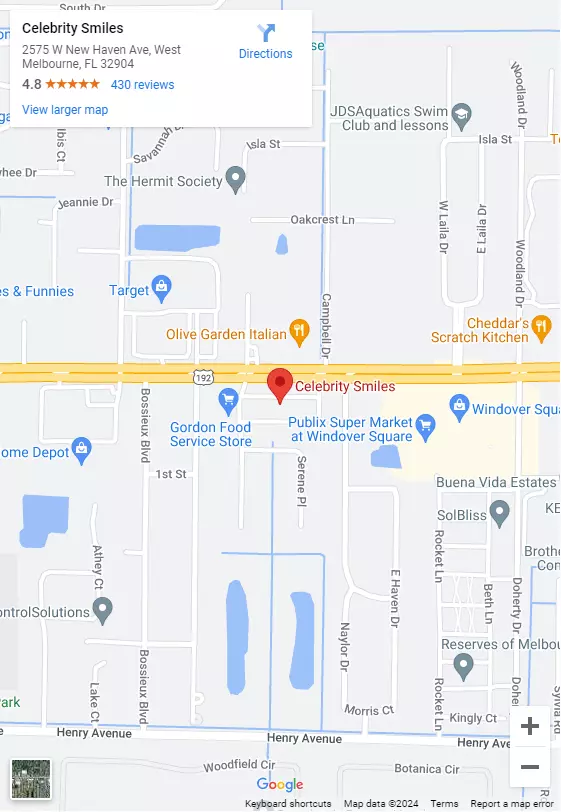
At Celebrity Smiles, Dr. Anand Shah, DMD leads a privately owned practice in West Melbourne. The practice provides general and comprehensive dental care as well as services such as dental services in West Melbourne. Any recommendation should be based on your needs and an in-person evaluation; a website or symptom list cannot determine treatment suitability.
Have questions about persistent bad breath? Request a dental evaluation.
You can make the visit more useful by asking the dentist to explain what the exam does and does not show. For example, you might ask whether the gums look healthy, whether any tooth or restoration needs closer attention, and whether a dry mouth concern deserves a separate discussion. If additional tests or treatment are suggested, ask what question the step is intended to answer. Understanding the reason for each recommendation can help you decide on a plan together, without expecting one visit to explain every possible source.
It is also reasonable to ask what happens next if the first evaluation does not reveal an oral contributor. The dentist may recommend monitoring a particular symptom, arranging follow-up, or speaking with a physician, depending on your history and what you report. Share relevant changes in your health and medicines, but do not stop or adjust prescribed treatment based only on breath odor. If a clinician needs to coordinate with another provider, ask what information would be helpful to share.
What can you do while arranging an appointment?
Keep a steady, gentle oral care routine. Brush with a soft-bristled toothbrush and fluoride toothpaste, clean between teeth with a method that is comfortable for you, and clean your tongue without scraping aggressively. Follow the instructions provided for any retainer, denture, or other appliance. If you are uncertain how to care for a specific device, bring it or describe it during your visit.
Drink water regularly if you can, especially when your mouth feels dry. Sugar-free gum may be an option for some people, but ask your dentist if you have questions about whether a product is appropriate for you. Mouth rinses and breath mints can temporarily mask odor. They do not establish why it is happening or replace an evaluation when the problem keeps returning.
A simple routine is usually easier to maintain than adding many products at once. Brush carefully along the gumline and take time to clean the surfaces between teeth. If a flossing tool is uncomfortable, do not force it into a tight or tender space; ask whether another type of interdental cleaner may suit you. Clean removable appliances as instructed for that device, and avoid hot water or improvised cleaners if the manufacturer or dentist has not advised them. If your gums bleed or a spot becomes sore, note where it happens and mention it rather than scrubbing harder.
A rinse is not automatically better because it feels stronger. Products can differ, and some may be unsuitable for a person’s oral condition or contribute to discomfort. If you already use a rinse, note its name and how often you use it. Ask the dentist whether it makes sense to continue, change, or stop it. Avoid layering several products in an effort to hide the odor, since that can make it harder to identify what is helping or irritating your mouth.
Avoid using harsh products or home remedies that cause burning or irritation. Do not stop a medicine or make a major health change to address breath odor without speaking with the clinician who manages that care. If a particular food or routine seems to affect the pattern, note it and share that observation.
If you also have tooth pain, swelling, a broken tooth, or signs of infection, contact a dental office promptly rather than waiting to see whether breath products help. For urgent dental concerns, review the practice’s emergency dental care information and request guidance. If you have trouble breathing or swallowing, or rapidly worsening swelling, seek urgent medical care.
When should you contact a dentist sooner?
Bad breath by itself is not enough to tell whether a concern is urgent. Pay attention to symptoms that happen alongside it. New or worsening tooth pain, gum swelling, a broken tooth, or a persistent bad taste can be reasons to call a dental office and explain what has changed. The office can help you understand whether you should be seen promptly based on the details you share.
When you call, describe the location of discomfort if there is any, when it began, and whether it is getting worse. Mention swelling, bleeding, difficulty eating, or trouble cleaning a specific area. Do not try to drain a swollen area or place unprescribed substances on a tooth or gum. If you cannot reach a dentist and symptoms are progressing, seek appropriate urgent care. For difficulty breathing or swallowing, or rapidly worsening swelling, seek urgent medical help rather than waiting for a routine dental appointment.
If there are no additional symptoms but the odor continues to concern you, a routine appointment is still a reasonable way to ask for an assessment. The goal is not to assume there is a serious problem. It is to get individualized guidance and avoid relying on guesswork or repeated masking products.
When deciding whether to call today or request a routine appointment, focus on the change that prompted concern. A symptom that is worsening, interfering with eating, or paired with swelling deserves a timely conversation with a dental office. If there is no pain or swelling and the issue is a recurring odor alone, describe that accurately when scheduling and ask about a suitable appointment. The office can help determine timing based on what you report; an article cannot make that assessment for you.
How do possible next steps compare?
The right next step depends on the pattern and any additional symptoms. This table is a general guide for preparing a conversation, not a way to diagnose yourself.
| What you notice | Possible next step | What to discuss |
|---|---|---|
| Odor after a particular food or after waking that improves with routine care | Continue gentle oral care and observe the pattern | How often it happens and whether it persists during the day |
| Recurring odor despite brushing and cleaning between teeth | Request a dental evaluation | Duration, cleaning routine, dry mouth, and any oral changes |
| Bleeding gums, tooth pain, damaged tooth, or a persistent bad taste | Contact a dental office to ask how soon to be seen | When the symptom began and whether it is worsening |
| Ongoing dryness or a concern not explained by an oral exam | Discuss follow-up with a dentist and, if advised, a physician | Medicines, health changes, and other symptoms |
| Difficulty breathing or swallowing, or rapidly worsening swelling | Seek urgent medical care | Describe the change and when it began |
Use the table as a starting point, not a rule that overrides your symptoms or a clinician’s advice. Two people with a similar description may need different next steps because their health history, examination findings, and symptom course differ. When in doubt, contact a dental office and explain the full picture, including any changes since the odor began.
What questions can you ask a dentist?
It is reasonable to ask for a plain-language explanation of what the dentist observes and what remains uncertain. You might ask:
- Did the exam find an oral issue that could be related to my concern?
- What details should I monitor, and when should I follow up?
- Could my cleaning technique or an appliance care routine be leaving areas difficult to clean?
- Would a different brush, interdental cleaner, or tongue-cleaning method be appropriate for me?
- If you do not see an oral cause, what kind of clinician should I contact next?
- What symptoms should prompt me to call sooner?
If the dentist recommends treatment, ask what it is intended to address, what alternatives may be appropriate, and what the next steps involve. If you have questions about an existing treatment plan, you can also discuss them during a new patient visit or contact the office for guidance. A recommendation depends on the exam and your individual circumstances.
Patients in West Melbourne and nearby communities can learn more about Celebrity Smiles and its dental team or review the practice’s dental technology. If you have questions about payment options, ask the office directly; coverage and eligibility vary. The financial information page provides a place to start.
Request an Appointment to Discuss Persistent Bad Breath
Frequently Asked Questions
Does persistent bad breath always mean I have a dental problem?
No. Bad breath can have oral and non-dental contributors, and it cannot be diagnosed from odor alone. A dental evaluation can check for issues in the mouth and help determine whether another clinician should be involved.
Should I wait until I have pain to schedule an exam?
You do not need to wait for pain if recurring breath odor is concerning or continues despite routine oral care. Contact a dental office, describe the pattern, and ask what timing is appropriate. Pain, swelling, a damaged tooth, or signs of infection are additional reasons to contact a dentist promptly.
Can mouthwash solve ongoing bad breath?
Mouthwash may temporarily freshen breath, but it may not address an underlying cause. If the odor repeatedly returns, an evaluation can help clarify whether oral care, dental treatment, or follow-up outside dentistry may be appropriate.
What if the dental exam does not find a cause?
Ask the dentist what they recommend as a next step. Depending on your symptoms and health history, follow-up with a physician or another healthcare professional may be appropriate. Do not assume that a normal dental exam rules out every possible cause.
Plan a next step for ongoing bad breath
If the concern keeps coming back, note the pattern and arrange a dental evaluation rather than relying only on products that mask odor. A conversation and in-person exam can help identify what should be addressed and whether another kind of follow-up is needed.