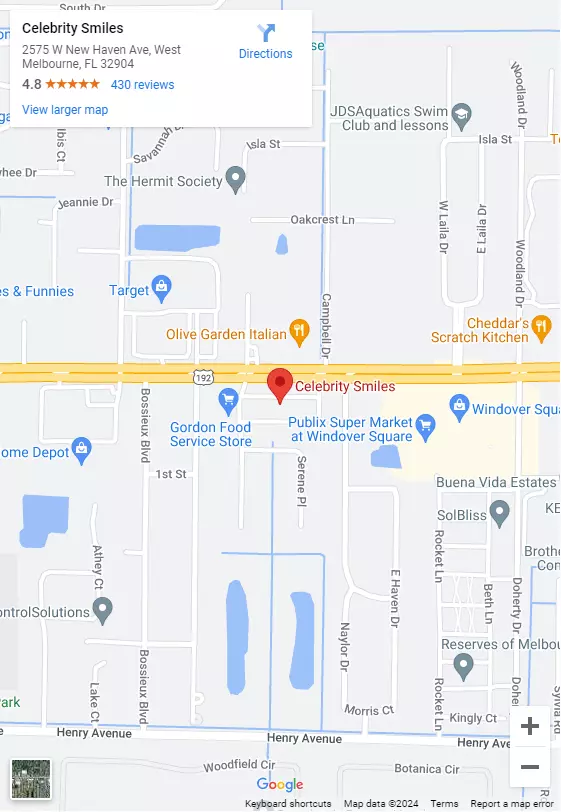
Picking a nearby dental provider in West Melbourne matters. Local, independent practices build long-term relationships, tailor care to community needs, and typically spend more time listening and planning with each person. Local practices often deliver clearer communication, consistent follow-up, and true one-on-one visits—advantages that can be harder to find in high-volume corporate clinics. Because local dentists understand regional issues (for example, how humidity can affect prosthetics), they take small but important steps to protect your smile for the long run. In short: local care brings attentive teams, steady quality, and providers who know the Space Coast.
What defines a private dental practice in West Melbourne?
A private dental practice in West Melbourne focuses on patient-centered care and ongoing relationships. These offices typically offer a full range of services—from routine cleanings to cosmetic and restorative treatments—performed by certified clinicians who follow OSHA and CDC safety guidelines. Private practices frequently invest in modern tools like digital imaging and build treatment plans around each person’s needs rather than applying one-size-fits-all schedules.
How does dentist ownership affect patient care?
When dentists own their practices, quality and continuity become priorities. Owner‑clinicians tend to spend more time on individualized treatment plans, keep closer track of patients’ histories, and focus on building trust. That ownership mindset usually means better follow-up, thoughtful recommendations, and a practice culture organized around people—not just patient volume.
Listening to a patient’s preferences is essential to truly personalized care.
Patient preferences in private dental treatment
This study examined which factors shape dentists’ treatment choices and how those choices influence services offered. From a random sample of dentists (60.3% response rate), the top influences were treatment constraints (15.0%), periodontal status (12.1%), tooth condition (11.3%), overall mouth status (10.1%), and patient factors (9.8%). Cluster analysis identified groups that prioritized patient preferences, cost constraints, or oral health indicators when selecting treatment options.
Factors influencing choice of dental treatment by private general practitioners, DS Brennan, 2002
What personalized services does a private practice offer?

Private practices commonly provide one-on-one consultations, customized treatment plans, and anxiety-management options like nitrous oxide or oral sedation. They emphasize gentle pediatric care, family-focused planning, accessibility for patients with disabilities, and patient education so you feel confident about your care. Shorter wait times and straightforward communication are hallmarks of this model.
If you need a lasting solution for missing teeth, dental implants are a reliable, natural-looking option that restore both function and appearance.
How does corporate dentistry differ from private practices?
Corporate dentistry usually operates many locations under standardized protocols designed for efficiency and scale. That approach can provide fast, predictable service, but it may limit the time available for individualized care. Boutique private practices, by contrast, prioritize tailored treatment, deeper patient relationships, and long-term outcomes over sheer volume.
What are the characteristics of corporate dental chains?
Corporate dental chains are often investor-owned, follow uniform procedures, and aim for consistency across sites. While they can expand access and offer career paths for newer clinicians, the emphasis on efficiency can lead to higher staff turnover and a more transactional experience for patients.
What are common patient concerns with corporate dentistry?
Patients frequently worry about reduced personal attention, rushed appointments, and the potential for upselling. When people feel like a number, trust and satisfaction can decline—reasons many choose independent practices where continuity and relationship-building matter more.
The growth of corporate models raises important questions about preserving the dentist–patient relationship at the heart of quality care.
Corporate dentistry’s impact on patient relationships
Research suggests corporate dentistry can reflect Ritzer’s four dimensions of rationalisation—efficiency, predictability, calculability, and control. While corporate investment can increase competition and create opportunities for less‑experienced dentists, leaders must guard against practices that weaken the caring relationship between clinicians and patients.
Rationalisation and ‘McDonaldisation’ in dental care: private dentists’ experiences working in corporate dentistry, ACL Holden, 2021
Why is local care important for dental patients in West Melbourne?
- Proximity to providers : Shorter travel means quicker access to same-day consultations and adjustments—a real advantage for busy families.
- Personalized attention : Local practices, including Celebrity Smiles Online, focus on one-on-one care that builds trust and aligns treatment with your goals.
- Quick emergency responses : Local dentists can act fast on urgent issues like knocked-out teeth, which improves outcomes.
- Understanding regional needs : Local teams know how factors such as humidity can affect prosthetics and restorations, so they plan proactively.
- Accessibility : Community practices often offer flexible hours and supports for patients with disabilities, making care more inclusive.
Together, these elements create a more comfortable, efficient, and supportive experience for West Melbourne residents.
How does community connection enhance dental care?

Community engagement—through health fairs, school workshops, and free screenings—builds trust and shares practical advice about preventive care. These programs help families learn simple steps to protect oral health and encourage regular checkups, improving outcomes across the neighborhood.
What are the benefits of choosing an independent dentist in West Melbourne?
- Personalized care : One-on-one relationships make it easier to create treatment plans tailored to your needs.
- Local expertise : Independent dentists understand region-specific concerns, such as humidity-related wear on prosthetics.
- Convenience : Shorter trips to the clinic simplify scheduling and emergency visits.
- Quick emergency response : Many independent practices can provide timely care for urgent dental problems.
- Modern technology : Independent clinics often use digital imaging and other tools to improve accuracy and comfort.
- Community focus : Services and education usually reflect local needs and lifestyles.
- Flexible financial options : Payment plans and specials can make care more affordable for patients without insurance.
What are the key benefits of personalized dental care at Celebrity Smiles?
- Clear, individualized oral care recommendations.
- At‑home care routines tailored to your needs.
- Stronger long-term oral health outcomes.
- A more confident, natural-looking smile.
- Reduced staining and improved tooth appearance.
- Ongoing maintenance for healthy teeth and gums.
How does Dr. Anand Shah ensure tailored treatment plans?
Dr. Anand Shah builds personalized plans by performing careful exams, reviewing your history, and walking you through options with clear explanations and visuals. Patients see realistic outcomes and get the information they need to choose the path that fits their life and goals. Every smile is treated as unique.
What advanced technologies support patient safety and comfort?
- Laser dentistry : Minimally invasive treatments that speed healing and reduce discomfort.
- Digital imaging and smile design : 3D imaging and CAD/CAM workflows for precise planning and custom restorations.
- AI-powered diagnostics : Improved accuracy for early detection through advanced image analysis.
- Clear aligners and orthodontic innovations : Comfortable, discreet alternatives to traditional braces for many patients.
- Virtual reality (VR) and augmented reality (AR) : Tools that improve patient education and help you visualize treatment outcomes.
Modern orthodontic options like clear aligners offer discreet, effective ways to straighten teeth without traditional braces.
How can patients evaluate and choose between private and corporate dentistry?
To choose the right practice, compare these factors:
- Range of services : Look for providers offering comprehensive care under one roof—not just cleanings.
- Experience and specialization : Seek training in cosmetic dentistry, dental implants, and clear aligner therapy.
- Technology : Prefer practices that use modern diagnostics like digital imaging for better precision.
- Patient reviews : Read feedback on Google or Yelp to check for consistent results and bedside manner.
- Personalized care : Boutique offices usually provide deeper one-on-one attention than corporate clinics.
- Accessibility : Confirm support for patients with disabilities and convenient hours.
- Financial options : Ask for transparent cost breakdowns, accepted insurance plans, and financing choices.
- Consultations : Meet the team to evaluate communication and ensure the practice aligns with your expectations.
Focusing on these elements will help you make an informed choice that supports lasting oral health.
What questions should you ask when selecting a dentist?
- What experience do you have with cosmetic dentistry and dental implants?
- What are your success rates for common procedures?
- Can you share patient testimonials about communication and results?
- What modern technology do you use, such as digital imaging?
- Do you offer a full range of services, including pediatric care?
- How do you ensure patient safety and comfort during procedures?
- What financial options do you provide, and do you accept my insurance?
- What should I expect during a new patient visit?
How does transparent pricing differ between practice models?
Pricing transparency varies. For example, Celebrity Smiles Online lists a clear new-patient starting cost of $129 to make care more accessible. Corporate clinics may rely more on consultation-based pricing that’s less upfront. Some local full‑treatment packages range from $3,000 to $7,000—always ask for written estimates and pre-authorizations to avoid surprises.
What common questions do patients have about private vs. corporate dentistry?
Patients commonly ask about cost, continuity of care, and long-term outcomes when comparing private and corporate models.
Is private dental care more expensive than corporate dentistry?
Costs depend on the service and the practice. While private care can sometimes cost more, many patients find the personalized attention, tailored plans, and continuity worth the investment—especially for complex or cosmetic work with lasting benefits.
How does continuity of care affect oral health outcomes?
Continuity matters. Seeing the same dentist over time helps track changes, make better decisions, and build trust. That ongoing relationship encourages timely care and often leads to improved outcomes.
Continuity goes beyond paperwork—it’s coordinated, informed care that benefits both health and experience.
Patient experience & continuity in dental care
Research links continuity of care with better health outcomes. While many studies use administrative measures, patient-reported experience measures capture how well information flows and how coordinated care feels from the patient’s perspective. Patient-experienced continuity is an important indicator of healthcare quality.
Patient reported measures of continuity of care and health outcomes: a systematic review, P Burch, 2024
Frequently Asked Questions
What should I look for in a dental practice’s patient reviews?
When reading reviews, focus on comments about quality of care, staff friendliness, and the overall patient experience. Look for consistent remarks about wait times, thoroughness of exams, and how well the practice explains treatment options. Repeated praise for personalized attention and good outcomes is a strong sign. Also note any recurring issues mentioned by multiple patients, as those can point to potential concerns.
How can I ensure my dental treatment is covered by insurance?
Start by reviewing your insurance policy to see which services are included. Contact your insurer to confirm coverage details for specific procedures. Ask the dental practice if they accept your insurance and whether they offer pre-authorization to clarify coverage before treatment begins—this helps avoid unexpected costs.
What are the benefits of preventive dental care?
Preventive dental care is essential for lasting oral health. Regular check-ups and cleanings catch problems early, lowering the risk of cavities, gum disease, and other complications. Preventive care also saves money over time by avoiding costly treatments for advanced issues and supports overall health, since oral health links to conditions like heart disease and diabetes.
How do I know if I need a specialist for my dental issue?
Your general dentist may refer you to a specialist for complex problems such as severe gum disease, significant misalignment, or oral surgery needs. Signs you might need specialized care include ongoing pain, trouble chewing, or noticeable changes in your oral health. Specialists—orthodontists, periodontists, oral surgeons—have advanced training to treat these conditions effectively.
What should I do if I have a dental emergency outside of office hours?
For severe pain, swelling, or bleeding, seek immediate care at an emergency room or urgent care. Many dental practices provide after-hours emergency contact information—call and leave a message if needed. Keep a dental emergency kit at home for minor issues and follow any first-aid steps until you can see a professional.
How can I improve my dental hygiene at home?
Set a simple daily routine: brush twice a day with fluoride toothpaste, floss daily, and use an antiseptic mouthwash if recommended. Limit sugary snacks and drinks, eat tooth-friendly foods like fruits and vegetables, and replace your toothbrush every three to four months. Keep regular dental appointments to maintain optimal oral health.
What role does patient feedback play in improving dental practices?
Patient feedback is vital. Surveys and reviews help practices identify strengths and areas to improve. Constructive feedback guides better communication, refined treatment approaches, and a more patient-centered environment. When practices listen and respond, satisfaction and outcomes improve.
What factors should I consider when evaluating a dental practice?
Consider the range of services, the team’s experience and qualifications, and the technology used. Read patient reviews to gauge satisfaction and notice how the practice approaches education and communication. Check financial options and insurance acceptance, and visit the office to see if the environment and staff feel welcoming.
How can I maintain good oral health between dental visits?
Maintain a simple routine: brush twice daily with fluoride toothpaste, floss each day, and use an antiseptic mouthwash if advised. Limit sugary foods and drinks, keep regular cleanings, and follow your dentist’s personalized advice to protect your oral health long term.
What should I do if I experience dental anxiety?
Tell your dentist about your anxiety before the appointment. Many practices offer nitrous oxide, oral sedation, or calming techniques. Relaxation exercises—deep breathing or visualization—can help, and bringing a trusted friend for support is often useful. Open communication lets the team make your visit more comfortable.
How often should I visit the dentist for check-ups?
Most people benefit from check-ups twice a year, but frequency varies. Those with gum disease, cavities, or other conditions may need more frequent visits. Regular check-ups let your dentist catch problems early and keep your oral health on track.
What are the signs that I need to see a dentist immediately?
Seek prompt care for severe tooth pain, facial or gum swelling, persistent bleeding, or a knocked-out tooth. A painful bump on the gums, sudden bite changes, or extreme sensitivity also warrant quick attention. Timely treatment can prevent complications.
Can I switch dentists if I’m not satisfied with my current one?
Yes. It’s important to feel comfortable with your dentist. Try discussing your concerns first—many issues can be resolved through communication. If you change providers, research reviews and services to find a practice that better fits your needs.
What role does preventive care play in dental health?
Preventive care is foundational: regular check-ups, cleanings, and education catch problems early and reduce the risk of cavities and gum disease. Preventive steps save time and money over the long term and help you maintain a healthy smile.
What are the advantages of choosing a local dentist over a corporate chain?
Choosing a local dentist usually means more personalized attention, treatments tailored to your needs, and a better understanding of community-specific health issues. Local offices often offer shorter wait times and more flexible scheduling, making care easier to access. That individual focus often leads to higher satisfaction and better long-term results.
How can I find a reputable private dental practice in West Melbourne?
Ask friends, family, or your primary care doctor for recommendations, and read reviews on Google or Yelp to learn about other patients’ experiences. Look for practices with comprehensive services, modern technology, and a commitment to patient education. Schedule a consultation to meet the team and see if the office feels right for you.
What should I expect during my first appointment at a private dental practice?
Your first visit usually includes a thorough exam, a review of medical and dental history, and a conversation about your goals and concerns. The dentist may take X-rays or perform a cleaning if needed. Use this visit to ask questions so your care plan starts off tailored to you.
How do private practices handle dental emergencies compared to corporate clinics?
Private practices often respond faster to emergencies because they have smaller patient loads and can prioritize urgent cases. They’re also more familiar with patients’ histories, which helps the dentist make quicker, more personalized decisions. Corporate clinics may have stricter scheduling systems that can delay care.
What role does technology play in enhancing patient care at private dental practices?
Technology improves diagnosis, comfort, and outcomes. Many independent dentists use digital imaging for clearer diagnostics, laser dentistry for less invasive treatment, and AI tools to detect issues earlier. These advances make procedures more precise and often more comfortable for patients.
Are there financial options available for patients at private dental practices?
Yes. Many private practices offer payment plans, discounts for upfront payment, and accept a variety of insurance plans. Some partner with third-party financing to help spread costs. Discuss options during your consultation so you understand fees and can plan accordingly.
How can I ensure that my dental care aligns with my personal health goals?
Be open with your dentist about your goals and concerns. Discuss treatment preferences and lifestyle factors so the team can recommend options that fit your needs. A good dentist will create a customized plan that balances preventive care, cosmetic goals, and long-term health.
What should I consider when choosing between a private dentist and a corporate dental chain?
Consider personalized care, the range of services, clinician experience, available technology, patient reviews, and how emergencies are handled. Private offices usually emphasize long-term relationships and individualized care, while corporate chains can offer standardized, faster services.
How can I prepare for my first visit to a new dental practice?
Bring your medical history, a list of medications, prior dental records if available, and your insurance information. Arrive early to complete any paperwork and be ready to discuss your concerns and goals—this helps the team create the right plan from day one.
What role does patient education play in dental care?
Patient education empowers you to prevent problems and make informed choices. Good practices offer workshops, one-on-one guidance, and resources that help you maintain oral health between visits and understand treatment options.
Are there specific dental services that are more commonly offered by private practices?
Yes. Private practices often provide expanded cosmetic and restorative services—veneers, whitening, implants, and personalized orthodontics—alongside routine care, which allows for a more integrated, customized approach.
How do local dentists contribute to community health?
Local dentists support community health through outreach, school programs, screenings, and education. These efforts increase access to care, build trust, and encourage preventive habits that improve population oral health.
What should I do if I am unhappy with my dental treatment?
Start by talking directly with your dentist—clear communication often resolves concerns. If needed, request a second opinion to review alternatives. Most practices value feedback and will work with you to find a satisfactory solution.
Conclusion
Choosing a private dental practice in West Melbourne ensures you receive personalized care, prompt emergency responses, and a deep understanding of local health needs. This tailored approach not only strengthens the patient-provider relationship but also enhances long-term oral health outcomes. Discover how a community-focused team can transform your dental experience—schedule a consultation today. Your smile deserves the thoughtful, individualized attention that only a local practice can provide.