A sharp twinge from a cold drink or a toothbrush can make ordinary routines uncomfortable. If you are considering sensitive teeth treatment west melbourne fl, a useful first step is to explain what you feel and ask how the dentist will identify possible causes. Sensitivity can have more than one source, so a conversation and examination matter more than guessing from a symptom alone.
Request an Appointment at Celebrity Smiles Melbourne
This guide offers questions to bring to a visit, details to track beforehand, and an overview of how a dentist may discuss next steps. It is general information, not a diagnosis or a substitute for an in-person exam. Celebrity Smiles is a privately owned dental practice in West Melbourne, where Dr. Anand Shah, DMD leads a relationship-focused team. Recommendations depend on your exam and individual needs.
What should you ask about sensitive teeth?
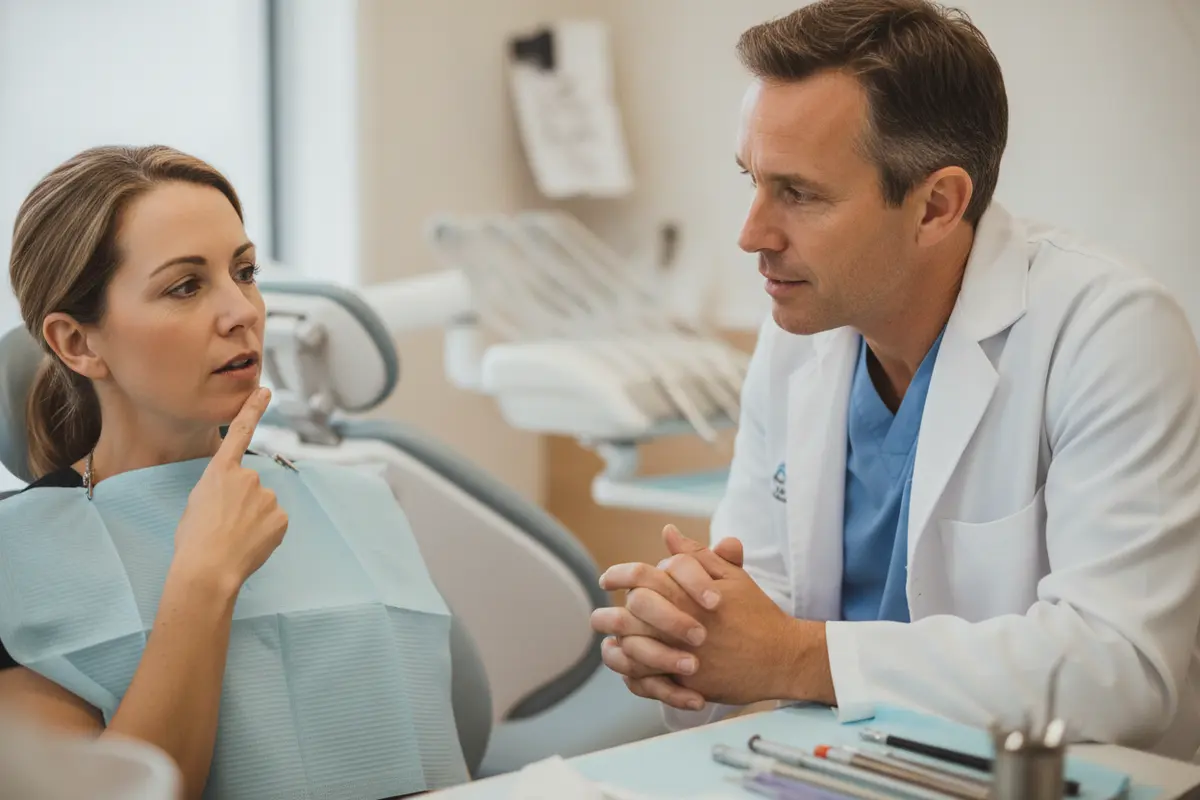
Start with the questions that help you understand the symptom and the plan. You do not need to know what is causing the sensitivity before you come in. Describe the sensation in your own words, then ask the dentist to explain what the findings may mean.
- What could be contributing to this sensitivity? Ask what the examination can and cannot establish, and whether more than one factor could be involved.
- What will you check during the exam? Ask how the dentist will assess the tooth, nearby teeth, gums, existing dental work, and the areas you identify as sensitive.
- Do I need any imaging or tests? Ask why a test is being considered and how its result could affect the recommendation.
- What options are appropriate for my situation? Ask about the purpose, expected steps, limitations, and aftercare for each option under consideration.
- What can I safely do at home while we figure this out? Ask whether changes to brushing or oral-care products make sense for you.
- When should I contact the office again? Ask what changes or additional symptoms should prompt a call and how soon you should be reassessed.
These questions make the conversation specific without asking you to choose a treatment before the cause is understood. If you are also concerned about a broken tooth, gum changes, or a recent dental procedure, mention that too. A dental evaluation for tooth sensitivity can help connect your description with what the dentist sees.
What details should you track before the visit?
A short symptom record can help you describe a pattern. You do not need a complicated log. For a few days, note when the discomfort happens and what you were doing. Include episodes that seem minor, since a pattern may be more useful than one isolated moment.
- Trigger: Was it a cold or hot drink, sweet or acidic food, breathing in cold air, brushing, flossing, or pressure while chewing?
- Location: Which tooth or area seems affected? If you cannot tell, say that. Sensations can be difficult to localize.
- Timing: Does the twinge stop quickly when the trigger goes away, or does it linger? Note whether it occurs without an obvious trigger.
- Frequency and change: How often does it happen? Is it new, becoming more frequent, or interfering with eating or cleaning?
- Recent changes: Have you had dental work, a change in your brushing routine, a new oral-care product, or a recent injury? Include only what applies.
- What helps: Note anything that seems to ease or aggravate it, without deliberately repeating a painful trigger to test it.
Bring the notes or a short list to the appointment. If you use a sensitivity toothpaste or another oral-care product, bring its name or a photo of the label. Tell the dentist about medicines and relevant health conditions, too. Those details help the clinician interpret your concerns; they do not establish a diagnosis by themselves.
The American Dental Association’s patient resource describes common sensitivity experiences, including discomfort with hot or cold foods and brushing. Its information about sensitive teeth can help you put the symptom into words, but an online description cannot determine what is happening in your mouth.
What may a dentist assess?
Tooth sensitivity is a symptom, not a single diagnosis. A dentist may ask when it began, what brings it on, and whether it is changing. The clinical assessment is guided by your history and the area involved. Depending on what is found, the dentist may look at the teeth, gums, existing restorations, and your bite, and may use appropriate tests or imaging.
Several different issues can produce sensitivity-like symptoms. Examples can include exposed tooth surfaces, gum recession, wear or damage to a tooth, decay, a crack, or an issue involving existing dental work. These possibilities are not a checklist you can use to diagnose yourself. A brief response to cold does not prove that one particular condition is present, and similar symptoms can call for different care.
The clinical recommendations published in the International Society of Preventive and Community Dentistry guidance describe allowing a patient to explain sensitivity in their own words and evaluating the complaint clinically. That supports a practical approach: tell the clinician what you notice, and let the examination guide the discussion rather than relying on a product label or a symptom search.
If imaging is suggested, ask what question it is meant to answer. Not every sensitive tooth needs the same investigation. Celebrity Smiles uses CBCT 3D imaging and digital intraoral scanning as part of its technology capabilities, but whether any technology is useful for you depends on the concern and clinical judgment. Learn more about dental technology used at the practice and ask your dentist to explain any recommended test in plain language.
How can possible next steps differ?
The right next step depends on what the exam shows. A dentist may recommend a home-care adjustment, monitoring, or treatment directed at an identified problem. The table below is a discussion guide, not a treatment plan. It does not predict what you will need or guarantee a particular result.
| Discussion path | When it may come up | What to ask |
|---|---|---|
| Home-care guidance | The dentist discusses brushing habits, oral-care products, or other routine changes as part of the plan. | Which changes should I make, how should I use a product, and when should we review the symptom? |
| Observation and follow-up | The exam does not point to an immediate procedure, but the symptom needs attention over time. | What should I track, how long should I monitor it, and what change means I should call sooner? |
| Care for an identified tooth or gum concern | The examination identifies a specific issue that may be contributing to the symptom. | What did you find, what are the reasonable options, and what are the steps and limitations of each? |
| Further assessment | The dentist needs additional information to understand the tooth or nearby structures. | What test or imaging do you recommend, what will it clarify, and how could the result change the plan? |
Ask the dentist to distinguish between what is known from the exam and what remains uncertain. If more than one reasonable path is available, request a comparison of the steps, benefits, risks, timing, and follow-up involved. Treatment suitability is individual, and a final recommendation should follow an in-person assessment and a personalized treatment plan.
You can also ask what the plan is designed to do. Is it intended to address a suspected source, reduce a trigger, protect a tooth, or gather more information? Understanding the goal can make different options easier to compare. Ask what improvement the dentist hopes to see and when you should check back if the symptom does not change. No option should be presented as a guaranteed result, and the dentist can explain what is uncertain in your case.
If the dentist recommends a procedure, ask what the appointment involves, whether there are alternatives, what recovery or follow-up may involve, and whether there are reasons to wait or act sooner. If monitoring is recommended instead, ask how to monitor the symptom without repeatedly triggering pain and when to return. These are not challenges to the clinician; they help make sure you understand and can take part in the decision. You may ask for an explanation in everyday language or take time to consider a non-urgent recommendation.
It can help to separate immediate questions from longer-term ones. First, ask whether there is a finding that needs prompt attention. Next, ask what may help you maintain comfort and routine oral care while the issue is addressed. Finally, ask how the team will evaluate whether the chosen next step is helping. These questions keep the discussion focused on your priorities without assuming a cause or selecting a treatment before the assessment.
What can you do while arranging an appointment?
Until you receive personalized advice, avoid deliberately provoking the discomfort to see whether it happens again. Keep up with gentle daily oral care, and tell the dental team if brushing has become difficult. If you are unsure whether a product or a change in routine is appropriate, ask rather than layering several new products at once.
Do not use home remedies as a substitute for an evaluation when symptoms are persistent, worsening, or affecting normal activities. Avoid placing medication directly on a tooth or gum unless a clinician specifically instructs you to do so. A dentist can help you decide whether an at-home measure is appropriate after considering your health and the likely cause.
If sensitivity began after recent dental work, contact the office that treated you and explain when it started. If you have not established care, Celebrity Smiles provides comprehensive dental services in West Melbourne. The office can discuss how to arrange an evaluation; what happens next depends on the concern and clinical findings.
When should you contact a dentist sooner?
Arrange an evaluation if sensitivity continues, gets worse, returns repeatedly, or makes it hard to eat, drink, or clean your teeth. A new symptom deserves attention when it is not settling or when you are concerned about a specific tooth. Contact a dentist promptly about significant pain, a damaged tooth, or signs that may indicate infection, such as swelling. If you are unsure about the urgency, call and describe what is happening rather than waiting for an online answer.
For urgent dental concerns, call the practice and explain your symptoms. Celebrity Smiles offers emergency dental care, with same-day urgent care availability when appropriate; timing depends on availability and clinical needs. Visit the emergency dental care information or contact the office to ask about next steps. Do not treat this guide as a way to rule out an urgent problem.
How can you prepare for a useful conversation?
Before the visit, write down your top concern and two or three questions. Bring your symptom notes, product details, and any relevant information about recent dental care. If you are worried about cost, timing, or whether an option is covered, raise that before agreeing to care. Coverage and payment details vary. You can review the practice’s financial information and ask the team to explain what applies to your situation.
During the discussion, it is reasonable to ask the dentist to pause and explain unfamiliar terms. You can ask what the recommendation is intended to address, what alternatives exist, what follow-up might be needed, and what signs mean you should call. If you want to learn about the practice and its clinicians before your appointment, see information about Celebrity Smiles and its dentists or the new patient information.
At Celebrity Smiles, Dr. Anand Shah, DMD owns and leads the practice. The team combines dental technology with personalized care. These facts do not determine which treatment is right for an individual patient; the dentist’s assessment and your preferences both matter. If you are in West Melbourne or a nearby Brevard County community, the contact page is the route to request an appointment.
Request an Appointment to Discuss Tooth Sensitivity
Frequently Asked Questions
Can I tell what is causing my sensitive teeth from the trigger?
A trigger can help you describe the symptom, but it cannot confirm its cause. Cold, heat, brushing, or chewing may be useful details for the dentist. An examination is needed to assess the tooth and decide whether further testing or care is appropriate.
Should I stop brushing the sensitive area?
Do not stop routine oral care without advice. If brushing causes discomfort, tell the dentist and ask how to clean the area while it is assessed. The best guidance depends on what the examination shows and your individual needs.
Does every case of tooth sensitivity need a procedure?
No single answer fits every patient. Next steps depend on the cause and clinical findings. A dentist may discuss changes to home care, follow-up, or care for a specific issue; ask what each recommendation is meant to address.
What should I bring to a sensitivity appointment?
Bring a brief symptom log, the names or labels of oral-care products you use, and information about recent dental work or relevant health changes. You can also bring a short list of questions so the concerns most important to you are covered.
Can a dentist recommend treatment without examining me?
A general discussion can explain possibilities, but an individualized recommendation depends on an in-person exam and a personalized treatment plan. If discomfort is persistent or worsening, contact a dental office rather than trying to select treatment from general information.
To prepare for sensitive teeth treatment west melbourne fl, note your triggers, describe how the symptom changes, and ask what the exam finds before deciding on next steps. Contact Celebrity Smiles to arrange a conversation with the dental team about your concerns.