Persistent tooth pain that throbs into your jaw or ear can signal a deep infection. The soft tissue inside your tooth may be inflamed or damaged, but only a dental exam can identify the cause. Prompt evaluation may improve the chance of saving your natural tooth.
Common signs you need a root canal include deep pain, sharp pain from heat or cold, and pain when you bite. You may also see swollen gums, a small pimple on your gum line, or a dark tooth. According to the Mayo Clinic, a severe toothache that spreads to your jaw or ear is a key sign of an infection. These issues happen when germs reach the soft tissue inside your tooth. This leads to swelling and pain that will not go away. While some people hope the ache will stop on its own, dental infections often get worse without help. If you notice these red flags, you should see a dentist for an exam and X-rays right away. This is the only way to find the source of the pain and save your tooth.
It is important to know which symptoms require a quick visit to the dentist. Waiting can allow some dental problems to worsen. The checklist below covers common warning signs and explains when you should call for an exam.
Signs you need a root canal: symptom checklist
A tooth infection can start small but often grows into a painful problem. Knowing the serious tooth pain signs can help you get help before the issue gets worse. While some signs are clear, only an exam can find the true cause of your pain.
Common types of tooth pain
A throbbing toothache that spreads to the jaw, neck, or ear often means the pulp is sick. You may feel a sharp sting when you bite down or use force on the tooth. This deep pain can last for hours and may keep you awake at night.
High sensitivity to hot or cold drinks is another major sign. This pain often stays even after you stop drinking. If a tooth hurts when you sip hot coffee or cold water, the nerves inside may be dying or already dead.
Visual changes to your teeth and gums
Watch for a cracked or fractured tooth, as gaps let germs reach the inner pulp. You might also see a tooth turn grey or black over time. This dark shade shows that the blood flow to the tooth has stopped or the tissue is failing.
Swelling in the gums near a sore tooth can point to a deep infection. You may notice red, puffy areas or a small bump that looks like a pimple. Foul odors or a bad taste in your mouth are also signs that an abscess may be present.
| Symptom | What it feels like | Next step |
|---|---|---|
| Severe Ache | Deep throbbing in the jaw or ear | Request an exam |
| Sensitivity | Sharp pain from hot or cold items | Limit trigger foods |
| Swelling | Puffy gums or facial pressure | Call for same-day care |
| Loose Tooth | Feeling that the tooth is unstable | Avoid chewing on it |
When to seek emergency care
Some symptoms need fast action to stop the spread of infection. If you have a fever or swollen nodes in your neck, you may need emergency dental care right away. These signs show the body is fighting a large infection that can affect more than just your smile.
We use 3D X-rays to see deep inside your tooth roots for a clear look. This tech helps us find issues that old scans might miss. Getting a fast check-up is the best way to save your tooth and stop the pain for good.
Why might a tooth need root canal treatment?
A tooth needs a root canal when the soft tissue inside it gets sick or hurt. This tissue is called the pulp. It holds the nerves and blood vessels that keep the tooth alive. If germs get into the pulp, they can cause a bad sickness or a bump called an abscess. You might feel serious tooth pain that keeps you up at night. While you may notice many signs you need a root canal, only a dentist can tell for sure. They will look at your tooth and take scans to find the cause.
Deep decay and large holes
Deep decay is the top reason people need this care. When a hole is left alone, it eats through the hard parts of the tooth. Once germs reach the soft pulp, they cause it to swell and die. A deep hole is a main cause of a tooth abscess, which often needs a root canal to save the tooth. Without help, the germs can spread to your jaw or even your neck. Getting a filling early can stop this, but once the pulp is sick, a root canal is the best way to keep your tooth.
Cracked or broken teeth
A cracked or fractured tooth is one more common cause. Even a tiny crack can act like a door for germs. These germs seep into the inner tooth and start a sickness. Cracks can happen if you bite down on hard ice or a popcorn kernel. They also happen from a hit to the mouth. You might feel a sharp zing of pain when you chew or drink cold water. If the crack goes deep into the pulp, the tooth needs care to stop the ache and save the root.
Impact injuries and dental work
Sometimes, a tooth needs help due to a hard blow, even if the tooth looks fine. A hit to the face during sports can bruise the pulp. This can cause the tissue to die over time. Also, a tooth that has had many dental jobs can become weak. Each time a dentist works on a tooth, it can stress the pulp. If you have a dental hit, seek emergency dental care right away. A pro will check to see if the tooth is okay. They use special tools to see if the pulp has been hurt by the shock of the hit.
How a dentist finds the cause
A dentist uses many ways to find out why your tooth hurts. They look for swelling in the gums and test how the tooth feels when cold or hot. Modern dental offices use 3D scans to see the tooth from all sides. These scans help find small cracks or deep germs that normal scans might miss. Finding the cause early means you can get the right care to fix the problem and stop the pain.
How does a dentist determine whether you need a root canal?
You may suspect something is wrong if you feel a sharp ache or see a dark spot on a tooth. But only a dentist can give you a clear answer. Dr. Anand Shah and the team at Celebrity Smiles start by looking at your signs and your dental history. They need to see if the signs you need a root canal are present. This includes serious tooth pain that stays for a long time. They will ask how long you have felt the pain and what makes it worse.
Reviewing your symptoms and history
The first step in a dental exam is a talk about your oral health. A dentist wants to know if you feel pain when you bite down. They also check if your teeth hurt after you eat hot or cold food. These are common signs that the soft tissue inside your tooth is sick. The Mayo Clinic says a steady and throbbing toothache that spreads to your jaw or ear is a major sign of a tooth infection. You might also notice a foul odor in your mouth or feel swollen glands under your jaw. Your dentist will also check for old dental work that might be failing.
Physical exams and sensitivity tests
After talking about your past care, the dentist will look at the tooth and the gums around it. They often use a small tool to tap on the tooth to see how it feels under pressure. This is a common test to find out if the nerve is dying. If the tooth is sore when tapped, it may mean an infection has reached the root tip. They also look for swollen gums or a small bump that looks like a pimple. This bump is a sign that fluid from an infection is trying to get out.
In some cases, the dentist will do a cold test. They apply a very cold tool to the tooth. A healthy tooth will feel the chill but the feeling will fade fast. If the pain stays for a long time after the cold is gone, it is a sign you need emergency dental care. These tests help the doctor find out if the pulp is still alive or if it needs to be removed.
High-tech imaging and X-rays
Visual exams are good, but they cannot show what is happening deep in the jaw. This is why dental images are a key part of the process. Digital X-rays allow your dentist to see the shape of the roots. They also show dark spots that point to bone loss or an abscess. These images are fast and use low levels of radiation to give a clear view of the area.
At Celebrity Smiles, we also use tools like CBCT 3D imaging. This tool creates a full 3D map of your teeth, nerves, and bone. It gives more detail than a flat X-ray can show. With these clear pictures, Dr. Shah can plan the best way to treat the infection. This data makes sure your care is based on facts and fits your needs. Once the tests are done, your dentist will explain what they found and help you pick the next step.
When should tooth symptoms be treated as urgent?
Dental pain can range from a dull ache to a sharp sting. But some symptoms are more than just a bother. They can signal a deep infection or serious tooth pain that needs fast care. If you notice clear signs you need a root canal, you should not wait to seek help. Missing these red flags can let an infection spread to other parts of your body. Waiting too long can turn a simple fix into a much larger health risk.
Severe swelling and fever
Swelling in your face, cheek, or neck is a major warning sign. This often means a tooth abscess has formed deep in the gums. As said by the Mayo Clinic, swelling that comes with a fever is a serious sign of a spreading infection. You may also feel tender or swollen lumps under your jaw or in your neck. When a tooth infection causes a fever, it means the bacteria may be moving into your blood. This is a clear signal that you need a dentist right away to stop the spread of bacteria.
Trouble breathing or swallowing
Some dental symptoms require a trip to the ER instead of the dentist. If facial swelling makes it hard to breathe or swallow, you must go to the emergency room right away. This can mean the infection has reached your throat or your jaw bone. These issues can become life-threatening if they are not treated fast. If your pain suddenly stops, it might mean the abscess has popped. But this does not mean the problem is gone. You will still have the bacteria in your tooth and may taste a foul fluid in your mouth.
Intense throbbing pain
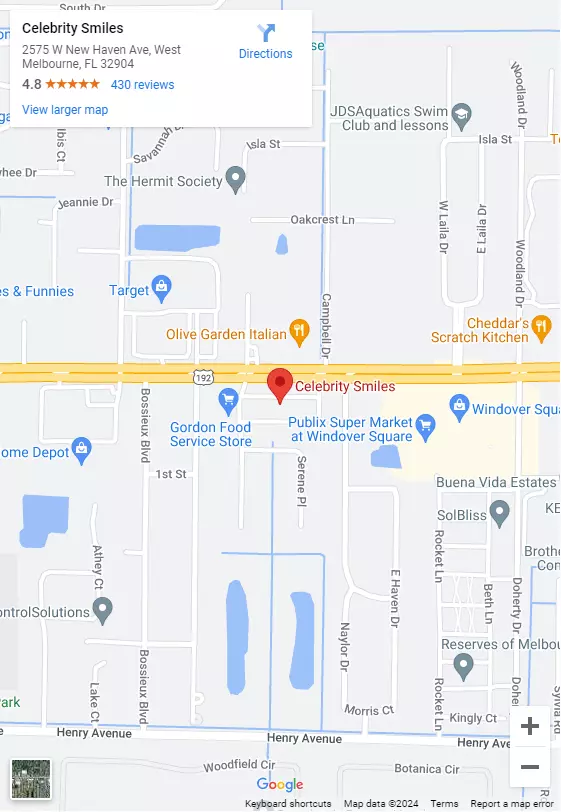
A constant, throbbing ache that spreads to your jaw or ear is often an urgent matter. It usually points to an infection deep in the tooth pulp. At Celebrity Smiles, we offer emergency dental care for patients in West Melbourne. We can often see you the same day to find the cause of your pain. Our goal is to stop the pain and save your own tooth whenever we can. We use high-tech tools like 3D scans to find the root of the problem fast.
Dr. Anand Shah, DMD, and his team are here to help you feel at ease while they identify the source of your symptoms. If you are in pain, call 321-914-0929 to ask about same-day urgent dental care. An in-person exam is the only way to determine whether a root canal or another treatment is appropriate.
What happens during root canal treatment?
Finding the cause of your pain
Before your care starts, Dr. Anand Shah, DMD, will check your tooth. We use modern 3D X-ray tools to find the germs. These scans show the deep parts of your tooth that a normal exam might miss. If you have a cracked or fractured tooth, we need to see how far the crack goes. This helps us know if a root canal is the best way to save your tooth. Finding the signs you need a root canal early makes the work much simpler. We take the time to show you what we see so you feel sure about your care.
A personalized path to treating the tooth
The team wants you to feel calm and informed during care. Sedation options may be available for eligible patients who feel anxious. Dr. Shah has more than 13 years of dental experience and will explain each part of the recommended plan. Your treatment and restoration needs depend on the exam findings and the condition of the tooth.
- Numbing the tooth. We apply a gel to the gum first. Then, we use a numbing medicine to block the nerves. This makes sure you do not feel the work being done.
- Opening the tooth. A tiny hole is made in the biting surface of your tooth. This lets the dentist reach the soft pulp inside where the germs live.
- Removing the germs. We take out the sick tissue and clean the inside of the root. This stops the spread of the germs and ends the deep throb you feel.
- Sealing the root. A safe, rubber-like filler is put into the empty canals. This seals the tooth from the inside so new germs cannot get back in later.
- Building the tooth back. A short-term filling keeps the tooth safe for a few days. Later, you will get a final crown to make the tooth strong and look like new.
Why saving your tooth matters
When you have serious tooth pain, you may wonder whether the tooth can be saved. When clinically appropriate, root canal treatment can preserve a natural tooth and help maintain normal chewing. If the tooth cannot be predictably restored, your dentist will explain other options after an in-person exam.
Our team focuses on gentle care for every person who walks through our doors. We offer emergency dental care if your pain starts fast or keeps you awake at night. We can often see you the same day to find out why your tooth hurts. This quick care stops the germs from spreading to other parts of your face or neck.
What can you do while waiting for a dental appointment?
Waiting for a visit can be hard when you have a toothache. If you notice serious tooth pain that throbs or spreads, you should call your dentist right away. While you wait for your visit, you can take steps to manage your pain and stay safe. It is vital to remember that these steps only help with symptoms but do not fix the cause of the problem.
Manage your pain at home
You can use mild pain relievers that you find at a store. It is best to follow the label or ask your doctor which ones are safe for you. Rinsing your mouth with warm salt water can also help clean the area. This can help if you see swelling in your face or cheek. A cold pack on the outside of your face may also reduce pain and swelling before you arrive for emergency dental care.
What to avoid before your visit
Try not to eat very hot or cold foods if your teeth feel sensitive. These can trigger a sharp pain that lasts for a long time. You should also avoid chewing on the side of your mouth that hurts. If you have a cracked or fractured tooth, biting down can make the crack grow deeper. Do not try to fix the tooth yourself or use home kits to fill a hole, as this can trap germs inside.
Prepare for your dental exam
Think about when your pain started and what makes it feel worse. Your dentist will want to know if you feel a dull ache or a sharp sting. These details help find the right signs you need a root canal or other care. Make a list of any drugs you take so your dentist can plan your treatment safely. This prep work helps you get the most out of your time in the chair.
Why early evaluation matters for a painful tooth
Waiting to see a dentist when you have a toothache can lead to big problems. An early check gives you the best chance to keep your natural tooth. When you act fast, we can often stop an infection before it spreads. This is a key step when you need help for serious tooth pain in West Melbourne.
Protect your natural smile
Saving your real tooth is the main goal of care. Root canal work helps us keep your tooth in place even if the pulp has damage. This keeps your bite strong and your smile looking good. If a cracked or fractured tooth lets germs in, quick care is a must. Fast help may be the only way to avoid losing the tooth.
New tools help us find issues fast. At Celebrity Smiles Melbourne, we use 3D scans for clear views of your teeth. These scans find small signs of a tooth infection before they turn into major pain. Catching a problem early can make your care easy and more sure.
The risk of fading pain
You might think a problem is gone if the pain stops, but that is often not true. At times, tooth pain fades because the nerve has died. The infection can still live in your jaw and spread to other spots. Seeing a dentist for signs you need a root canal is a must even if the ache goes away for a while.
A burst abscess can also cause a sudden drop in pain. You may notice a bad taste or smell if this happens. Based on data from the Mayo Clinic, a sudden rush of salty fluid in your mouth is a serious sign. You still need emergency dental care to clear the infection and protect your health.
Care built for you
Every mouth is different, so we focus on your needs. Dr. Anand Shah, DMD, looks at your health facts and signs to make a plan. We use digital X-rays to see what is happening under the gum line. This careful look ensures you get the right care at the right time. Our team is here to help you feel at ease during your visit.
Frequently Asked Questions
Is sensitivity to hot or cold a sign I need a root canal?
The Mayo Clinic says that pain from hot and cold items is a common sign of a tooth infection. This often happens when the soft pulp inside your tooth is sick or dying. If you feel sharp pain that lasts after you eat or drink, you should see a dentist. They can check if the nerves are healthy. You may need a root canal to stop the pain and save your natural tooth from being pulled.
Can swollen gums mean I have a tooth infection?
Yes, swelling in the gums near a tooth often means you have a deep infection. This might look like a small bump or make your face feel tender. A tooth abscess starts when bacteria enter the inner part of the tooth, says the Mayo Clinic. You should get dental help fast to keep the infection from spreading to other parts of your body. A dentist can clear the bacteria and help you feel better quickly.
What happens if I wait too long to get a root canal?
Waiting to treat a tooth infection can lead to bad pain and tooth loss. The Mayo Clinic warns that an untreated abscess can cause serious health problems if the bacteria spread to your jaw or neck. Early care allows your dentist to fix the issue and save your tooth. If you have a fever or your face is puffy, you should treat it as a dental emergency. Call your dentist right away to get the care you need.
How does a dentist determine if I need a root canal?
A dentist will check your tooth and use special pictures to see the pulp. At Celebrity Smiles, Dr. Anand Shah, DMD uses 3D X-rays to find issues early. These machines show infections that old scans might miss. After the exam, your dentist will make a plan to stop the pain. A visit to the office is the only way to know for sure if you need this care. Your dentist will help you find the best path for your smile.
Ready to find relief from your tooth pain today?
Persistent or worsening tooth pain deserves prompt attention. An in-person exam can identify the cause and determine whether root canal treatment or another option is appropriate. Celebrity Smiles Melbourne provides emergency dental care for patients who need urgent help.
Ready to request an urgent dental appointment? Call 321-914-0929.