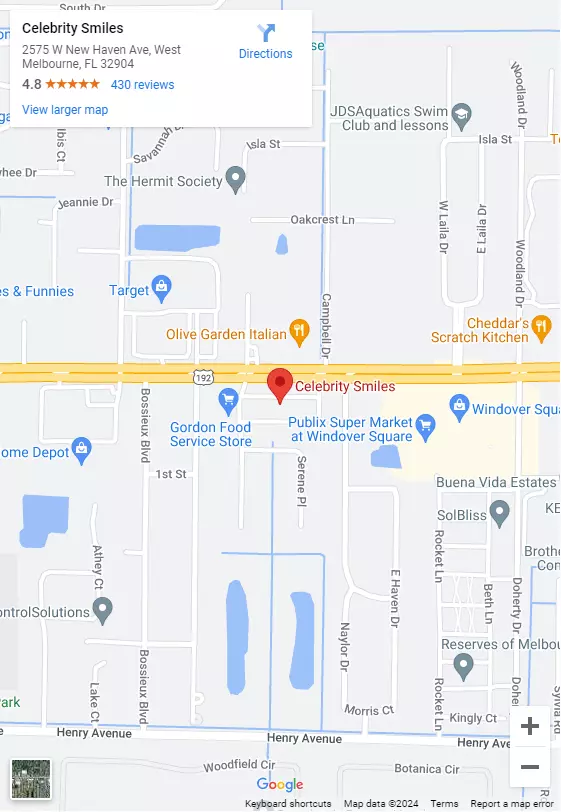
Sleep Apnea Dentist Melbourne FL: How Care Helps
Morning headaches and persistent daytime fatigue often signal a deeper issue than poor rest. When your airway collapses during sleep, your body struggles for oxygen while your teeth and jaw absorb the physical stress of the struggle.
A sleep apnea dentist Melbourne FL provides a vital path to wellness for patients who struggle with sleep apnea but find common CPAP machines very hard to use. This serious condition occurs when throat tissues collapse and block your airway during sleep, which forces your brain to wake you up hundreds of times every single night. While many people focus only on the fatigue, local dental experts find how your jaw position and oral health directly change these risky, frequent, and disruptive breathing stops. By using a custom oral appliance to gently shift your jaw forward, a dentist keeps your airway open and helps your breathing without using bulky or loud equipment.
Many patients are surprised to learn how sleep apnea and oral health connect through the structure of the jaw and the muscles of the throat. This link explains why your dentist is often the first person to spot the signs of a sleep disorder. The path begins with
Call 321-914-0929 to schedule a sleep apnea consultation with Celebrity Smiles Melbourne.
Sleep Apnea Dentist Melbourne Fl: How sleep apnea and oral health connect
Sleep apnea is more than a sleep disorder. It has a two-way link with your oral health. When your breathing stops during sleep, your mouth and throat feel the strain. Issues like dry mouth, tooth wear, and gum disease often show up with sleep apnea. A local dental team can find these signs during a routine dental exam.
Dry mouth and mouth breathing
Many people with sleep apnea breathe through their mouths to get more air. This habit dries out the oral tissues. Saliva is vital for your health because it washes away food and fights germs. Without enough saliva, you face a higher risk for tooth decay and bad breath. Research shows that people with sleep apnea are over twice as likely to have dry mouth on waking up compared to healthy sleepers.
Dry mouth also changes the balance of germs in your mouth. This shift can lead to more plaque buildup. If you wake up with a parched throat or a sticky tongue, it may be a sign of sleep-disordered breathing. Dr. Anand Shah, DMD can check your oral health and look for these common markers at Celebrity Smiles Melbourne.
Bruxism and tooth wear
Sleep apnea often triggers bruxism, which is the grinding or clenching of teeth. Your body may clench your jaw to keep your airway open when it starts to collapse. This constant pressure puts a huge load on your teeth and jaw joints. Over time, you might notice flat tooth surfaces, cracks, or morning jaw pain. Studies suggest that teeth grinding is more common in people with sleep apnea than in the general public.
This grinding does more than just wear down your enamel. It can lead to tooth sensitivity and broken fillings. Using advanced digital diagnostic technology, our team can see the extent of this wear. We help you protect your smile while finding the root cause of the grinding.
Inflammation and gum disease
There is a strong bond between sleep apnea and chronic inflammation. Sleep apnea causes stress on the body, which can make gum disease worse. Periodontitis is a severe gum infection that damages the bone that holds your teeth. Research indicates a clear association between sleep apnea and periodontitis, with some studies showing nearly double the risk.
The link works both ways. Gum disease adds to the total inflammation in your body, which can impact your airway health. Treating your gums may help lower your body’s overall stress. We focus on full care to keep your gums healthy and your breathing clear.
Which signs merit a sleep apnea evaluation?
Many people live with sleep apnea without a clear check. They often think they just snore or feel tired from a long day. But certain signs should lead you to seek a medical review. About 20 million adults in the United States suffer from this sleep issue and lose out on needed rest. If you often wake up feeling weak or have a dry throat, you might want to see a West Melbourne dental practice for help.
Common nighttime signs
Loud snoring is the most common sign that something is wrong. Your bed partner may notice that you stop breathing for a few seconds. These gaps are called apnea events. An apnea event is a drop in airflow that lasts at least 10 seconds, according to the National Institutes of Health. You might also gasp or choke in your sleep. These moments happen because the airway closes or narrows while you rest.
Daytime warning signals
How you feel during the day is just as vital as what happens at night. Excessive daytime sleepiness is a major clue. You may find it hard to stay awake at work or while driving. Morning headaches and a lack of focus are also common. These signs occur because your brain and body do not get the deep sleep they need to heal. Frequent waking at night leads to sleep loss that builds up over time.
When to seek urgent care
Some signs need quick action from a health professional. If you fall asleep during the day without meaning to, seek help soon. This is very risky if it happens while you drive a car. Severe morning headaches or a high heart rate upon waking also merit a check. A doctor or dentist can help you start a sleep study to find out how serious your case is. Early care helps prevent long-term health risks like high blood pressure or heart issues.
What can a sleep apnea dentist in Melbourne, FL do?
Many people are surprised to learn that a dentist is often the first healthcare provider to spot signs of sleep apnea. While dentists do not give a medical finding for this issue, they are trained to see the physical signs of airway issues. At Celebrity Smiles, our team uses advanced digital testing tools. We check your oral health and airway shape during routine visits.
Screening and Expert Referral
A sleep apnea dentist in Melbourne, FL acts as a vital link in your health care team. During a standard exam, a dentist looks for red flags like a large tongue, a narrow airway, or worn teeth from grinding. These signs often point to a sleep disorder. If these signs are found, the dentist will refer you to a sleep doctor for a formal sleep study. This testing path is the only way to confirm if you have obstructive sleep apnea.
The Dental Care Process
Once a doctor confirms a diagnosis, a dentist can help manage your care with oral appliance therapy. This treatment is a common choice for those who want an other choice to CPAP machines. The dentist ensures the device fits well and does not hurt your jaw or teeth. Working with a Dr. Shah and the Celebrity Smiles team helps you get a way that is both helpful and easy to wear.
- First Airway Screening: The dentist checks your throat, tongue, and soft tissues for signs of blockage. They look for physical traits that might increase the risk of breathing gaps during sleep.
- Health History Review: Your provider will talk with you about symptoms like loud snoring or daytime fatigue. They also look at factors like neck size and weight, as excess body weight is a major risk for sleep apnea.
- Working with a Physician: The dentist sends their findings to a sleep expert. They work together to ensure you get the right tests and a clear medical finding before starting any dental treatment.
- Oral Health Check: A full exam ensures your teeth and gums are healthy enough to support a dental device. The dentist checks your jaw joint to make sure an appliance will not cause pain.
- Custom Device Fitting: If an appliance is needed, the dentist takes precise scans of your mouth. This ensures the device holds your jaw in the best spot to keep your airway open all night.
- Follow-Up and Care: The dentist checks the device often to make sure it still works and fits well. They track your progress and talk with your sleep doctor to confirm your health is improving.
If you or a loved one struggles with snoring or poor sleep, expert help is near. You can request an appointment at our West Melbourne office to start your screening. Taking this step can lead to better rest and better health for years to come.
How do oral appliances compare with CPAP?
Choosing the right sleep apnea treatment depends on your diagnosis and lifestyle. While CPAP is a standard tool, many people find it hard to use every night. A trusted Melbourne-area dentist can help you find alternatives like oral appliance therapy. Both tools aim to keep your airway open while you sleep, but they work in very different ways.
The role of CPAP therapy
CPAP stands for continuous positive airway pressure. It uses a machine to blow a steady stream of air through a mask. This air pressure keeps your throat from closing. According to the Mayo Clinic, CPAP is the most common way to treat sleep apnea. It is highly effective when used right, but some patients find the mask or the noise of the machine bothersome.
Oral appliance therapy as an alternative
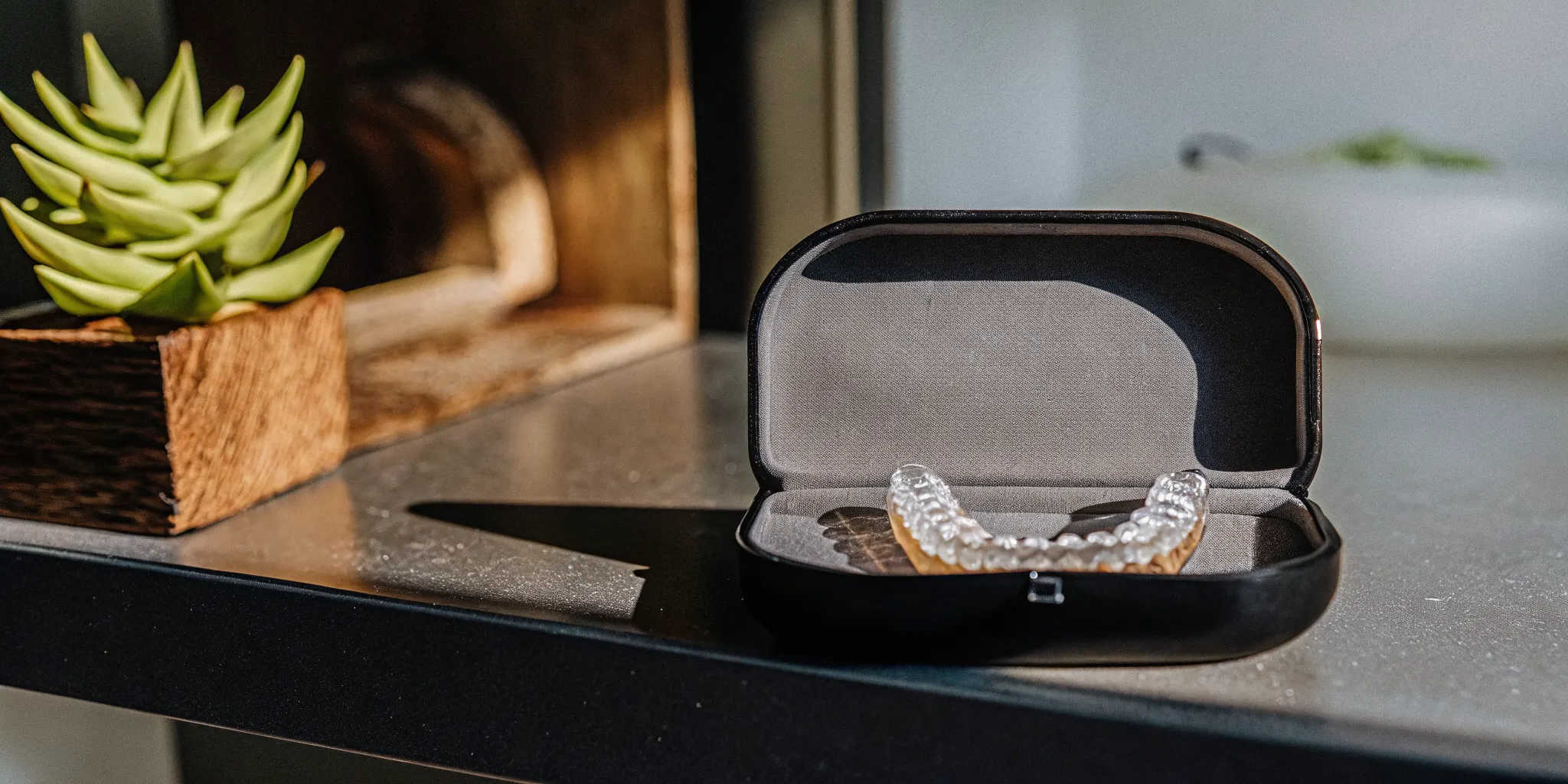
An oral appliance is a custom-made device that fits over your teeth, similar to a mouth guard. It works by gently shifting your lower jaw forward to keep your airway open. The American Academy of Sleep Medicine suggests that sleep doctors think about oral appliances for patients who cannot use CPAP. These devices are quiet, portable, and do not need a power source.
Dr. Anand Shah, DMD, uses advanced digital diagnostic technology to ensure your appliance fits well. A custom fit is key for both comfort and success. While CPAP may be best for severe cases, many patients with mild to moderate sleep apnea prefer the ease of a dental device.
Comparing the two options
Your treatment path starts with a visit to a sleep specialist or doctor. They will use a sleep study to check how severe your condition is. Once you have a diagnosis, you can talk to a dentist about your options. The table below shows the main differences between these two common treatments.
| Feature | CPAP Machine | Oral Appliance |
|---|---|---|
| How it works | Uses air pressure | Repositions the jaw |
| Portability | Needs a bag and power | Fits in a small case |
| Noise Level | Soft motor hum | Completely silent |
| Fit Style | Mask over nose or mouth | Fits like a retainer |
| Ideal for | All levels of severity | Mild to moderate cases |
If you have trouble sleeping or snore loudly, it is time to seek help. You can improve your treatment comfort by choosing the tool that best fits your needs. Call Celebrity Smiles at 321-914-0929 to learn more about how a custom device might help you sleep better.
What happens during oral-appliance treatment?
The path to better sleep starts with a clear plan. When you see a experienced local dentist, the work is careful and thorough. We want to make sure your device works well for you and stays easy to wear. This process has a few key steps to get you the best results for your health.
Your first exam and sleep study
Your care starts with a full dental checkup at Celebrity Smiles Melbourne. Dr. Anand Shah, DMD, looks at your mouth, neck, and airway. He will ask about your sleep and how tired you feel during the day. This visit helps him see if you have signs of a sleep disorder. He will also check for issues like jaw pain or worn teeth.
If Dr. Shah finds signs of blocked breathing, you will need a sleep study. These sleep tests help find which type of apnea you have and how bad it is. You might do this test in a lab or in your own bed at home. The results show how many times your breathing stops while you sleep each hour.
Custom scans and your device fitting
Once we have your results, we start making your custom device. We use advanced digital tools to take a 3D scan of your teeth. This method is fast and clean. It takes the place of thick paste molds that many people find hard to use. The scan creates an exact map of your mouth.
These digital scans help Dr. Shah design a device that fits your bite. When the lab finishes your piece, you will come in for a fitting. Dr. Shah will check the fit and show you how to use it. He will also make sure it feels good in your mouth. He may make small changes to the device right then to help you feel your best.
Small changes and long-term care
You will wear the device every night while you sleep. It gently shifts your jaw forward to keep your airway open. Over the first few weeks, you will come back for more visits. We call this the adjustment phase. We move the jaw slowly until your snoring stops and you feel well rested. Your doctor may also want you to take a second sleep study to prove the device is working.
Long-term care is also a big part of your health. We check your device and your oral health at least once a year. This check makes sure the device still fits well as your mouth changes. If you need a trusted sleep apnea dentist Melbourne FL, our team is here to guide you through each step. We want to help you breathe easy and wake up with a bright smile.
Protecting your oral health during sleep apnea care
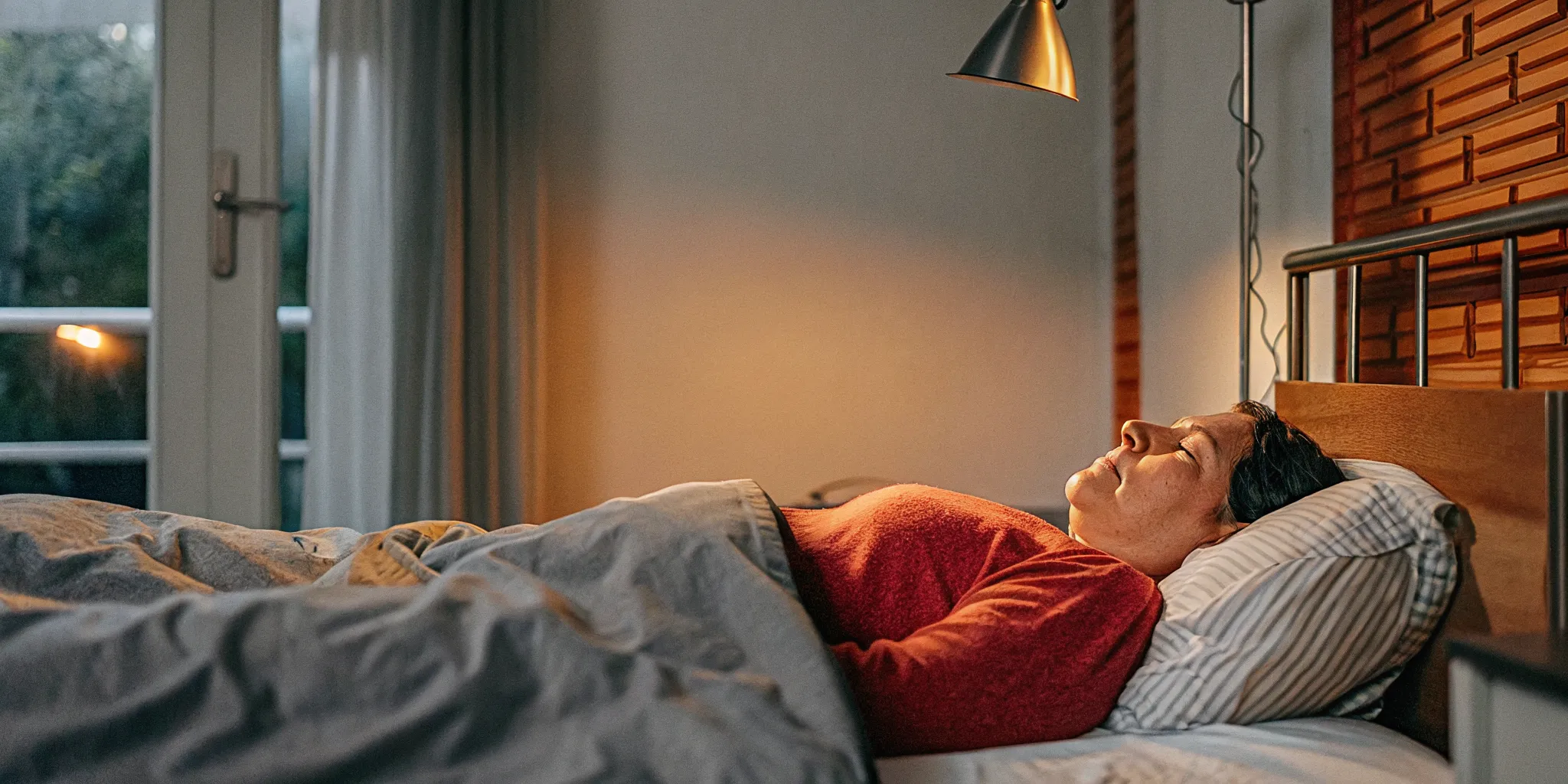
Care for sleep apnea often uses tools that stay in your mouth all night. Both CPAP masks and dental guards can change your oral health. It is vital to keep your teeth and gums clean during care to avoid new dental pains. A trusted Celebrity Smiles Melbourne can help you track these changes and keep your smile strong.
Preventing dry mouth issues
Many people with sleep apnea breathe through their mouths during sleep. This habit can lead to dry mouth. Low spit flow makes it easier for tooth decay and gum disease to start. If you notice a dry or sticky feel when you wake up, talk to your dental team. They may suggest gels that add moisture. Using advanced digital diagnostic technology, Dr. Anand Shah, DMD can check for early signs of tooth wear.
Cleaning your sleep appliance
Germs and plaque can build up on oral tools just like they do on your teeth. You must clean your device every day to stop oral infections or bad breath. Most guards only need a soft brush and mild soap to stay clean. Do not use hot water, as it can warp the shape of the custom fit. Good care keeps the device safe for your mouth and helps it last longer. This simple habit protects your health while you get the rest you need.
Monitoring your bite and jaw
Long use of oral tools can move your teeth or change how your jaws meet. You should have a dental expert check your bite often to catch these small changes early. Obstructive sleep apnea care works best with professional help. If you feel any pain in your jaw or notice your teeth do not fit well, call your dentist. They can adjust the device to ensure it stays helpful and easy to wear.
Frequently Asked Questions
Can a dentist in Melbourne, FL help treat my sleep apnea?
Yes, a dentist can help manage your care with a custom oral device. This device holds your jaw in a spot that keeps your airway open. At Celebrity Smiles, Dr. Anand Shah, DMD provides screening and custom fittings. While a dentist does not give the final medical finding, they work closely with your sleep doctor. This team approach ensures you get the best care for your sleep health and overall well-being.
How does sleep apnea severity affect my health?
Doctors use a scale to rank how bad your sleep issues are. This scale counts how many times your breathing stops each hour. Based on facts from the Cleveland Clinic, mild cases have five to 15 events. Moderate cases have 15 to 30 events. Severe cases have more than 30 events. These gaps in airflow can lead to heart strain and high blood pressure. Knowing your rank helps your team find the right plan.
What are the signs that I might have sleep apnea?
Many people do not know they have this issue until a partner hears them snore. Other signs include waking up with a dry mouth or feeling very tired all day. You might also have morning headaches or find it hard to focus. Based on the National Heart, Lung, and Blood Institute, a sleep study is the only way to be sure. A dentist can look for signs like worn teeth and refer you for tests.
Is an oral appliance a good alternative to a CPAP machine?
A dental device is a common choice for mild to moderate sleep apnea. It is small, quiet, and easy to take with you when you travel. Unlike a CPAP machine, it does not use a mask or loud air pumps. Many patients find it more comfortable to wear all night. Dr. Anand Shah, DMD can create a device that fits your mouth perfectly. This helps ensure your airway stays open without the need for bulky or loud equipment.
Ready to see how an oral appliance can help you sleep?
Untreated sleep apnea may be associated with serious health concerns, while dry mouth and grinding can affect teeth and gums. Scheduling an evaluation can help you understand the next appropriate step. Final recommendations depend on an in-person exam, a medical diagnosis when indicated, and a personalized treatment plan.
Ready to schedule a consultation? Call 321-914-0929 to schedule a consultation and learn about your options for better rest. Our team is here to help you find the right path to a healthy smile. You can visit our Melbourne dental office to start your plan today. We look forward to helping you wake up with more energy and a healthy smile.