Teeth whitening can markedly improve your smile, but if you have receding gums it requires careful consideration. This article examines how gum recession interacts with whitening treatments and outlines safe approaches. Many patients with gum recession report heightened sensitivity and discomfort during whitening; understanding these risks helps you achieve a brighter smile without compromising oral health. Consulting professionals who offer Teeth Whitening Services West Melbourne can help you choose safer, more suitable treatment options. We cover safety, available methods, the effect of gum recession, and recommended options for patients with sensitive gums.
Safety of Teeth Whitening
Whitening treatments can be safe for patients with gum recession when performed with caution. Professional procedures are typically safest because a dentist can evaluate your gum condition and adapt the treatment accordingly. Over-the-counter products may increase sensitivity or irritate exposed roots and gingiva. Consult a dentist before beginning any whitening regimen to confirm the method suits your oral health.
Research indicates that, while effective, active whitening ingredients can produce local adverse effects on tooth tissues and the oral mucosa.
Teeth Whitening Risks: Sensitivity & Oral Mucosa Damage
However, H2O2produces also local undesirable effects on tooth structures and oral mucosa. Local effects may occur on the oral mucosa and dental tissues during whitening, namely, pulp sensitivity, cervical resorption, release of selected components of dental restorative materials, and alteration of the enamel surface. Most of the local effects are dependent of the technique and concentration of the product so far used, but as the results of bleaching obtained are not stable, repeated treatments add to the adverse effects.
Undesirable and adverse effects of tooth-whitening products: a review, M Grootveld, 2010
Methods of Teeth Whitening
Several whitening methods exist, each with specific benefits and precautions. The main categories include professional in-office treatments and dentist-prescribed at-home protocols. Selecting the appropriate method depends on your gum health and sensitivity.
- In-office professional whitening: This method involves a dental professional applying a concentrated whitening agent to the teeth, often resulting in immediate results.
- At-home treatments prescribed by dentists: These typically involve custom-fitted trays and lower concentrations of whitening agents, allowing for gradual whitening while minimizing sensitivity.
Knowing how each method works enables you and your dentist to choose an approach that balances effectiveness with protection for vulnerable gum and root surfaces.
Influence of Gum Recession
Gum recession exposes tooth roots and increases dentinal sensitivity, which can affect both the comfort and the efficacy of whitening. Whitening agents may produce less predictable results on non-enamel surfaces and can heighten discomfort where roots are exposed. These factors should guide treatment planning and product selection.
Recommended Whitening Options
For patients with receding gums, select options that prioritise safety and comfort. Professional in-office treatments and dentist-prescribed at-home systems with lower peroxide concentrations are generally preferred. These approaches reduce sensitivity while achieving measurable whitening.
- Professional whitening methods: These are preferred as they are tailored to individual needs and can minimize sensitivity.
- Gentler at-home kits: If opting for at-home treatments, it is advisable to choose products specifically designed for sensitive teeth, which often contain lower concentrations of whitening agents.
Which Teeth Whitening Options Are Safe for Receding Gums?
Prioritise methods that protect gingival tissues and exposed roots. Professional whitening under dental supervision is usually the safest route, as clinicians can monitor soft tissues and modify treatment. Exercise caution with over-the-counter kits and confirm suitability for sensitive gums before use.
What Professional Whitening Methods Minimize Sensitivity and Protect Exposed Roots?
In-office procedures and custom take-home trays prescribed by a dentist are designed to minimise sensitivity. These protocols often incorporate protective gels or barriers to shield exposed root surfaces during whitening, reducing discomfort while optimising outcomes.
To address post-whitening discomfort, research evaluates techniques and products that reduce transient tooth sensitivity.
Reducing Post-Whitening Tooth Sensitivity
Transient sensitivity is the most common side-effect associated with tooth whitening. The purpose of this randomised, controlled clinical study was to determine if a chewing gum containing Recaldent (CPP-ACP) was effective in reducing tooth sensitivity associated with in-office whitening procedures.
Effect of chewing gum on tooth sensitivity following whitening, 2010
Are At-Home Whitening Products Recommended for Patients with Gum Recession?
Generally, at-home whitening products are not recommended for patients with gum recession because they can cause irritation and increased sensitivity if used improperly. If you choose an at-home option, select formulations for sensitive teeth and obtain approval from your dentist first.
Clinical reviews warn that improper or uncontrolled use of at-home whitening methods can produce significant dental complications.
At-Home Whitening Risks: Sensitivity & Gum Damage
At-home teeth whitening methods have become increasingly popular in recent years due to their affordability and ease of use. These methods include whitening strips, gels, pens, as well as non-professional remedies such as lemon juice, baking soda, and activated charcoal [1, 2]. While these approaches may provide short-term aesthetic improvement, improper and uncontrolled use can lead to enamel erosion, increased tooth sensitivity, and damage to gingival tissues [3, 4]. This study aims to scientifically evaluate the real benefits and potential risks of commonly used at-home teeth whitening methods.
THE REAL BENEFITS AND HARMS OF POPULAR AT-HOME TEETH WHITENING METHODS, 2026
How Can You Protect Exposed Roots During Whitening Treatments?
Protect exposed roots by using protective agents recommended by your dentist and by proceeding under professional supervision. A dental consultation will identify the safest technique and any adjunctive measures to limit sensitivity and protect soft tissues.
- Use of protective agents: These can help shield sensitive areas during the whitening process.
- Consultation with a dentist: Professional guidance can ensure that the chosen method is safe and effective for your specific dental condition.
What Is Gum Recession and How Does It Affect Teeth Whitening?
Gum recession occurs when gum tissue pulls back from the tooth, exposing root surfaces. Exposed roots are more sensitive and more vulnerable to decay. Recognising this condition is essential before pursuing whitening to avoid discomfort and protect oral health.
What Causes Gum Recession and Exposed Tooth Roots?
Multiple factors can lead to gum recession, including periodontal disease, genetic predisposition, and aggressive brushing technique. Identifying the cause helps guide preventive care and treatment.
- Periodontal disease: This is a common cause of gum recession, leading to the loss of gum tissue.
- Genetics: Some individuals may be genetically predisposed to gum recession.
- Aggressive brushing: Overly vigorous brushing can damage gum tissue and lead to recession.
How Does Gum Recession Influence Whitening Safety and Effectiveness?
Gum recession raises the likelihood of sensitivity and may reduce the predictability of whitening on exposed root surfaces. Careful technique and product selection are therefore essential to protect comfort and achieve consistent results.
What Preventative Cosmetic Dentistry Practices Support Gum Health and Whitening Results?
To support gum health and improve whitening outcomes, maintain regular dental examinations and adopt gentle oral hygiene habits. These preventive steps reduce further recession and create a more stable foundation for cosmetic treatments.
- Regular dental check-ups: Routine visits to the dentist can help monitor gum health and address any issues early.
- Good oral hygiene practices: Brushing gently and using a soft-bristled toothbrush can help prevent gum recession.
Why Choose Celebrity Smiles for Personalized Whitening with Gum Recession in West Melbourne?
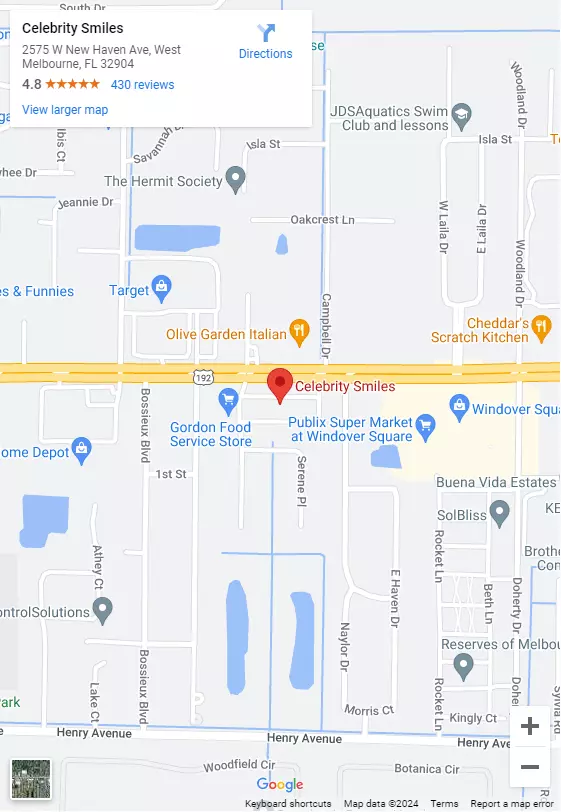
Celebrity Smiles is a Melbourne, Florida practice offering personalised care across cosmetic, preventive, and restorative dentistry. Their experience managing whitening for sensitive gums enables tailored treatment plans that prioritise safety and patient comfort.
What Expertise Does Celebrity Smiles Offer in Managing Whitening for Sensitive Gums?
At Celebrity Smiles, Dr. Anand Shah and his team employ advanced techniques to enhance comfort during whitening. Their individualised approach produces customised plans that address each patient’s specific needs and sensitivities.
How Does Celebrity Smiles Customize Treatments for Individual Patient Needs?
Celebrity Smiles evaluates dental health and patient preferences to design bespoke whitening protocols. This customised strategy helps ensure treatments are effective while protecting vulnerable gum and root surfaces.
| Whitening Method | Safety Level | Effectiveness | Recommended For |
|---|---|---|---|
| Professional Whitening | High | High | All patients, especially those with gum recession |
| At-home Kits | Moderate | Variable | Patients with mild sensitivity, after dentist consultation |
| Over-the-Counter Products | Low | Variable | Generally not recommended for those with gum recession |
Considering options such as dental implants can form part of a comprehensive plan to address conditions that contribute to gum recession and improve overall oral health.
If you are in West Melbourne and have concerns about teeth whitening with receding gums, arrange a consultation with a clinician who understands the specific risks and options for your condition.
For patients seeking alternatives to traditional braces, clear aligners provide a discreet way to improve alignment, which can support gum health by making oral hygiene more effective.
To learn more about how Celebrity Smiles can help you achieve a healthier, brighter smile, contact the practice to schedule an assessment.
Frequently Asked Questions
What are the signs of gum recession that I should look for?
Common signs include teeth that appear longer, sensitivity to hot or cold, and notches near the gum line. You may notice gums pulling away from teeth and increased root exposure. If you observe these changes or feel discomfort, consult a dentist for assessment and management.
Can teeth whitening worsen gum recession?
Whitening can aggravate symptoms if performed without appropriate precautions. Active whitening agents may irritate exposed roots and sensitive gingiva, increasing discomfort. Select methods suitable for gum recession and consult a dental professional to minimise risk.
How often can I safely whiten my teeth if I have receding gums?
Frequency should be determined by a dental professional based on your oral health. Limiting treatments reduces the chance of increasing sensitivity or provoking gum irritation. Your dentist will recommend a safe schedule that balances results with tissue protection.
Are there any natural remedies for whitening teeth with receding gums?
Some home remedies, such as baking soda or activated charcoal, are abrasive and may not be appropriate for patients with receding gums. Safer alternatives include maintaining excellent oral hygiene and using fluoride toothpaste to support enamel health without risking gum irritation.
What should I discuss with my dentist before whitening my teeth?
Before whitening, review your dental history, any gum recession, and current sensitivity. Ask which options are safest for your condition, possible side effects, and recommended treatment intervals. A dentist can provide personalised guidance and suggest alternatives that protect gum health.
Is it safe to use whitening strips if I have receding gums?
Whitening strips can pose a risk to patients with receding gums because they may contact and irritate exposed roots and gingiva. If used, choose products formulated for sensitivity and consult your dentist first. Professional treatments remain the preferred option when gum recession is present.
Conclusion
Safely whitening teeth with receding gums is achievable when treatments are tailored and supervised by a dental professional. Understanding the risks and selecting appropriate methods protects comfort and oral health while improving aesthetics. For personalised advice and safe whitening options, consult a dentist experienced in managing sensitive gums. Contact to discover how Celebrity Smiles can support your goals for a brighter, healthier smile.