When you’re in pain, it’s tempting to search for a quick fix online, but a lot of common advice about dental emergencies is simply wrong. Believing you can “tough out” a severe toothache or that the hospital ER is your best option can lead to bigger problems. These myths can delay proper treatment, allowing an infection to worsen or a damaged tooth to become unsalvageable. We’re here to set the record straight. This guide busts the most common myths and gives you clear, safe steps to follow, ensuring you get the right help from a professional emergency dental care dentist when it matters most.
Key Takeaways
- Identify a true dental emergency: Recognize the signs that need immediate attention, such as severe pain that won’t quit, a knocked-out tooth, or facial swelling. When you’re unsure, calling your dentist is the safest and most effective first step.
- Use first aid to manage common issues: Knowing what to do in the first few minutes can make a huge difference. For a knocked-out tooth, place it in milk and call for help immediately; for pain, a cold compress and salt water rinse can provide temporary relief until your appointment.
- Address problems promptly to prevent complications: Ignoring dental pain or relying only on home remedies allows minor issues to become more serious and expensive. Your dentist is the best resource for treatment, and their team can help you work through financial concerns so you can get the care you need.
Is It a Real Dental Emergency?
When you’re dealing with sudden tooth pain or an injury, it’s tough to know if you should rush to the dentist or if it can wait. The line between a minor issue and a true crisis isn’t always clear, but knowing the difference can save your tooth and prevent more serious complications. Let’s clear up the confusion so you can act quickly and confidently when a dental problem strikes. Making the right call ensures you get the care you need without unnecessary panic.
Signs You Need Urgent Care
Some situations are clear-cut emergencies that require immediate attention. Getting quick care can mean the difference between saving and losing a tooth, and it can stop a minor problem from turning into a major infection. You should seek emergency dental care right away if you experience any of the following:
- Severe, persistent tooth pain that doesn’t get better
- A tooth that has been knocked out
- A loose or misaligned adult tooth
- A cracked, broken, or significantly chipped tooth
- A lost filling or crown, especially if it’s causing pain
- Signs of an abscess, like a painful pimple on your gums, facial swelling, or a fever
When It’s Okay to Wait
While some issues are definite emergencies, others may not require a middle-of-the-night visit. A very small chip in your tooth with no pain, for example, can likely wait for a regular appointment. However, it’s a common myth that you can simply “wait out” problems like a lost crown or a mild, persistent toothache. These issues won’t resolve on their own and can lead to infection or further damage if left untreated. Home remedies are not a permanent solution. The best first step is always to call our office. We can assess your situation over the phone and advise you on the next steps for all your dental needs.
What to Do for Common Dental Emergencies
When a dental problem strikes, it’s easy to feel a wave of panic. But knowing how to respond in the first few minutes can make a significant difference in the outcome. Whether it’s a sudden injury or escalating pain, taking the right steps can help manage discomfort and improve the chances of a simple, successful fix. Here’s a quick guide for handling some of the most common dental emergencies before you can get to our office.
For a Knocked-Out Tooth
If a tooth is knocked out, time is critical. First, find the tooth and pick it up by the crown (the part you chew with), not the root. Gently rinse it with water if it’s dirty, but don’t scrub it or use any soap. The best thing you can do is try to place it back into its socket, holding it in place by gently biting down on a piece of gauze. If you can’t get it back in, don’t let it dry out. Place it in a small container of milk or your own saliva. Water should be a last resort. Call us immediately, as getting emergency dental care within the hour gives you the best chance of saving the tooth.
For a Severe Toothache
A severe, persistent toothache is your mouth’s way of sending an urgent message. It’s often a sign of a deeper problem, like a serious cavity or an infection inside the tooth. While you wait for your appointment, you can rinse your mouth with warm salt water to help clean the area and reduce inflammation. Over-the-counter pain medication can also provide temporary relief, but avoid placing aspirin directly on your gums or the aching tooth, as it can burn the tissue. A severe toothache may require a root canal to clear the infection and stop the pain, so it’s important to have it checked out as soon as possible.
For a Cracked or Chipped Tooth
A cracked or chipped tooth can range from a minor cosmetic issue to a major problem. If you’ve chipped a tooth, rinse your mouth with warm water and apply a cold compress to your face to minimize any swelling. If you can find the broken piece, save it and bring it with you to your appointment. For many small chips, we can use dental bonding, a tooth-colored material that smooths out the tooth and restores its shape in a single visit. For more significant damage, a veneer or crown might be necessary to protect the tooth from further harm and restore your smile.
For a Lost Filling or Crown
When a filling or crown comes loose, the underlying tooth is left exposed and vulnerable. This can cause sensitivity and puts the tooth at risk for more decay or damage. As a temporary measure, you can cover the area with a small piece of sugar-free gum or an over-the-counter dental cement from the pharmacy. Never use gum with sugar, as it can cause pain. If you have the crown, keep it in a safe place and bring it with you. We can sometimes re-cement it back into place. Call our office right away to schedule a visit to have your crown or filling properly repaired.
For a Dental Abscess
A dental abscess is a pocket of pus that forms around the root of a tooth due to a bacterial infection. This is a serious condition that requires immediate attention. Signs include severe, throbbing pain, fever, facial swelling, and a tender, pimple-like bump on your gums. An abscess will not go away on its own and can lead to a life-threatening infection if it spreads. Do not try to pop the bump yourself. Rinse with salt water to help draw the pus to the surface and call us immediately. Treatment involves draining the abscess and addressing the infection, which is something our caring and compassionate staff is fully equipped to handle.
Managing Pain Before Your Appointment
When you’re dealing with a dental emergency, the time before your appointment can feel like an eternity. While the ultimate goal is to get professional care, you don’t have to suffer needlessly while you wait. Managing your pain is key, not just for your comfort, but also for keeping your stress levels down. These tips are meant to provide temporary relief, so your first step should always be calling our office to schedule a visit. Once you have an appointment on the books, here are a few things you can do to make yourself more comfortable.
Using Over-the-Counter Pain Relievers
For many types of dental pain, an over-the-counter pain reliever can be a huge help. Medications like ibuprofen (Advil, Motrin) or acetaminophen (Tylenol) can effectively reduce discomfort. Ibuprofen is often a good choice because it’s an anti-inflammatory, which can help with any swelling around the affected tooth. Always read and follow the dosage instructions on the packaging, and never place a painkiller like aspirin directly on your gums, as it can burn the tissue. This is a short-term solution to get you through until you can see us for proper emergency dental care.
Simple Home Remedies That Help
Beyond medication, a few simple home remedies can provide surprising relief. Applying a cold compress or ice pack to the outside of your cheek for 20 minutes at a time can help numb the area and reduce inflammation. Another classic remedy is a warm salt water rinse. Just dissolve half a teaspoon of salt in a cup of warm water and swish it around your mouth for about 30 seconds before spitting it out. This can help clean the area and soothe irritated gums. Focusing on relaxation techniques, like deep breathing, can also calm your nerves, which often helps lessen your perception of pain.
What to Avoid to Prevent More Pain
Just as important as what you do is what you don’t do. To keep the pain from getting worse, try to avoid chewing on the affected side of your mouth. Stay away from foods and drinks that are extremely hot, cold, sweet, or acidic, as they can trigger sharp pain in a sensitive tooth. It’s also best to avoid poking or prodding the sore area with your tongue or finger. Most importantly, don’t wait for a minor issue to become a major one. If you notice any signs of a tooth problem, call to schedule an appointment right away to prevent it from escalating.
What to Expect at Your Emergency Dental Visit
Walking into an emergency dental appointment can feel stressful, but knowing what comes next can help ease your mind. Our first priority is always you. From the moment you arrive, our team focuses on getting you comfortable, understanding the problem, and creating a clear plan to fix it. We use state-of-the-art technology to diagnose the issue quickly and accurately, so we can get you out of pain and on the road to recovery. An emergency visit is about providing immediate relief and setting you up for a healthy, lasting solution.
Immediate Pain Relief and Infection Control
The first thing we’ll do is address your pain. You don’t have to tough it out, and our primary goal is to make you comfortable as quickly as possible. We will assess the situation to find the source of the pain and determine the best way to stop it. This might involve a local anesthetic to numb the area. If we find signs of an infection, like swelling or an abscess, we will take immediate steps to control it. This is crucial for preventing the infection from spreading and causing more serious health problems. Our team is here to provide compassionate and effective emergency dental care to get you feeling better right away.
Restoring Your Tooth
Once your pain is under control, we’ll focus on fixing the tooth. Depending on the type of emergency, the solution can often be surprisingly fast. For a chipped or cracked tooth, we can sometimes use dental bonding, a tooth-colored material, to restore its shape in a single visit. If a tooth was knocked out, we may be able to save it by putting it back in place, but this is very time-sensitive. That’s why calling us immediately is so important. Our goal is to find the best and most durable solution, whether it’s a simple filling, a custom crown, or another restorative treatment to bring back your smile.
Planning Your Follow-Up Care
Some dental emergencies can be fully resolved in one appointment, but others might need a little more attention. For example, after an initial emergency treatment for an infection, you might need to come back for a root canal or to have a permanent crown placed. We won’t send you home with any unanswered questions. Before you leave, we will walk you through a clear and simple treatment plan. You’ll know exactly what to expect, what the next steps are, and how we’ll work together to restore your long-term dental health. Our compassionate team is committed to supporting you through the entire process, from the initial emergency to the final follow-up.
Emergency Dental Care Myths, Busted
When you’re dealing with a painful dental issue, it’s easy to fall for common myths. The internet is full of advice, but not all of it is accurate or safe. Acting on misinformation can turn a manageable problem into a much more serious one. Let’s clear up some of the biggest misconceptions about dental emergencies so you can make the best choice for your health when it matters most. Knowing the facts helps you get the right care, right away.
Myth: The ER Is Your Best Bet
Your tooth is throbbing, and your first instinct might be to head to the nearest hospital. While it seems logical, the ER isn’t equipped for most dental problems. Emergency room doctors can help manage severe pain or bleeding, but they can’t fix the underlying issue. They don’t have the specialized tools or training to repair a broken tooth or treat an abscess. You’ll likely get a prescription for pain relievers or antibiotics and be told to follow up with a dentist. It’s more effective to call a dentist who provides emergency dental care directly.
Myth: You Can Always “Tough It Out”
We’ve all been there, hoping a little ache will just disappear on its own. But when it comes to your teeth, waiting is rarely a good strategy. Ignoring dental pain can allow a small, fixable problem to escalate into something more complex and expensive. A minor cavity can deepen until it requires a root canal, or a small chip can turn into a major fracture. Pain is your body’s signal that something is wrong. Addressing it promptly is the best way to protect your oral health and prevent a true crisis down the road.
Myth: All Tooth Pain Is the Same
It’s a mistake to think all tooth pain is created equal. The type of pain you feel can provide important clues about what’s happening in your mouth. A sharp, shooting pain when you bite down could signal a cracked tooth or a loose filling. A dull, persistent ache might point to an abscess or infection. Sensitivity that lingers after eating something hot or cold often means there is damage to the nerve. A dentist can interpret these signs to make an accurate diagnosis and provide the right treatment from a range of dental services.
Myth: Home Remedies Are a Permanent Fix
A warm saltwater rinse or a cold compress can feel like a lifesaver when you’re in pain, and they are great for temporary relief. However, they are just that: temporary. Home remedies can soothe symptoms, but they don’t treat the root cause of the problem, whether it’s an infection, decay, or a damaged tooth. Relying on them for too long while delaying a dental visit can allow the underlying issue to worsen significantly. Think of home remedies as a helpful bridge to get you to your dental appointment, not as a substitute for professional care.
How to Choose the Right Emergency Dentist
When you’re dealing with a dental emergency, the last thing you want to do is scramble to find a dentist. Knowing what to look for ahead of time can save you a lot of stress and pain. If you’re in the middle of an urgent situation right now, take a deep breath. You can use these same criteria to quickly find a reliable professional who can help. A great emergency dentist combines availability, skill, and a compassionate approach to get you out of pain and on the road to recovery.
Convenient Hours and Location
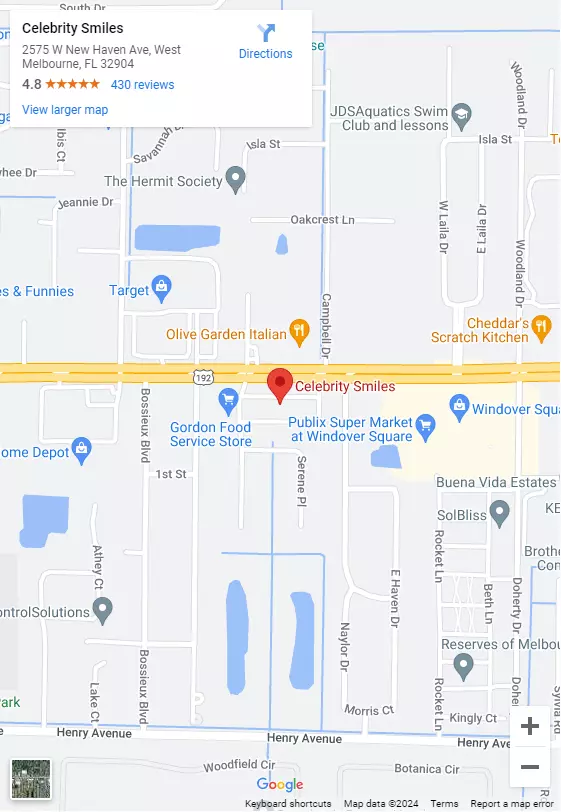
When a dental issue strikes, time is of the essence. You need a practice that understands that “emergency dental care is for people who need urgent dental help right away.” Look for a local dentist with clear availability for urgent situations. Do they have specific hours set aside for emergencies, or a dedicated phone line to call after hours? The closer the office is to your home or work in the West Melbourne area, the faster you can get there for treatment. A convenient location minimizes travel time when every minute counts, ensuring you get the prompt attention you need to address the problem quickly.
Comprehensive Services and Modern Tech
A good emergency dentist should be able to handle a wide range of problems on-site. You don’t want to be referred to another office while you’re in pain. A practice that provides comprehensive emergency dental care can help with everything from severe toothaches to fixing damaged teeth, all under one roof. Also, consider the technology they use. A practice equipped with modern tools can offer more accurate diagnoses and efficient, comfortable treatments. This means you get better care, faster, which is exactly what you need when you’re facing an unexpected dental issue.
A Strong, Trustworthy Reputation
Trust is crucial when you’re feeling vulnerable. A dentist’s reputation can tell you a lot about the quality of care you’ll receive. As one source notes, “Getting quick dental care can save a tooth and stop pain. If you wait, an infection can spread.” You need a team you can rely on to act fast and effectively. Look for patient reviews and testimonials to get a sense of their track record. A practice with a history of positive feedback and a caring staff can make a stressful situation much more manageable, ensuring you feel supported from the moment you walk in.
How to Prepare for Your Emergency Appointment
A dental emergency is stressful enough without the added worry of what to do when you arrive at the office. Taking a few minutes to get organized can make your visit much smoother and less anxious. Knowing what to bring, what to ask, and how to keep yourself calm will help you feel more in control of the situation. At Celebrity Smiles, our compassionate staff is here to support you every step of the way, but a little preparation goes a long way in making the experience as comfortable as possible.
What to Have on Hand
When you’re heading out for an emergency appointment, try to grab a few key items. Bring your ID, dental insurance card, and a list of any medications or supplements you’re currently taking. If you have a known medical condition or allergies, make sure to have that information ready, too. It’s also helpful to think through the timeline of your emergency: When did the pain start? What were you doing when the tooth broke? Having these details ready helps us diagnose the problem faster. Beyond the practical items, take a moment to calm your nerves. A few deep breaths can help center you before you even leave the house.
Key Questions to Ask Your Dentist
Your emergency visit can feel like a whirlwind, but don’t be afraid to ask questions. Understanding your treatment is key to feeling comfortable. Feel free to ask us about the diagnosis, the recommended procedure, and what to expect during and after treatment. You can also ask about pain management options and follow-up care. Most importantly, if you feel anxious, please let us know. Establishing open communication with your dentist about your fears allows us to adjust our approach and ensure you feel safe and supported. Our team at Celebrity Smiles prides itself on building trust and providing gentle care, especially in an emergency.
Tips for Staying Calm
It’s completely normal to feel anxious during a dental emergency. Simple relaxation techniques, like slow, deep breathing or meditation, can significantly reduce stress. You can practice these in the waiting room or even during treatment. Bringing headphones to listen to calming music or a podcast can also provide a welcome distraction. Sometimes, just talking through your fears with a trusted friend or family member before your appointment can help ease your mind. Remember, you’re in good hands, and our priority is to get you out of pain and on the road to recovery.
Understanding the Cost of Emergency Dental Care
When you’re dealing with a painful dental emergency, the last thing you want to worry about is the bill. It’s true that the cost of emergency care can vary quite a bit, and it’s helpful to know what to expect. The final price tag depends on the severity of your situation and the specific treatment required. For instance, a simple fix for a chipped tooth will cost less than a more complex procedure like a root canal or an emergency extraction. According to the American Dental Association, an initial exam can have a wide price range, and that’s before any specific treatment begins. X-rays, anesthesia, and the procedure itself will all factor into the total cost.
But please, don’t let fear of the cost keep you from getting the care you need. Your health is the top priority, and delaying treatment can often lead to more complex and expensive problems down the road. Most dental practices, including our team at Celebrity Smiles, understand this concern and are committed to helping you find a solution that fits your budget. There are several ways to manage the expense, from using your dental insurance to exploring flexible payment options. We can walk you through the process so you can focus on feeling better.
Working with Your Dental Insurance
If you have dental insurance, your first step should be to understand your coverage. Most plans offer some level of coverage for emergency services, but the specifics can differ. Before your appointment, if possible, it’s a good idea to contact your insurance provider to clarify your benefits for urgent care. You’ll want to ask about your deductible (what you pay before coverage kicks in) and your copay (the portion you’re responsible for). Our office staff is also here to help you make sense of your plan and will gladly file claims on your behalf to ensure you get the most out of your benefits. A good guide to coverage can also help you get familiar with the terminology.
Exploring Payment and Financing Options
What if you don’t have insurance, or your plan doesn’t cover the full cost? You still have options. Many dental offices provide payment plans or work with third-party financing companies to make treatment more affordable. For example, programs like CareCredit offer special financing options for healthcare expenses, allowing you to pay for your treatment over time with low or no interest. You can often apply online and get a decision in minutes. We believe everyone deserves access to high-quality emergency dental care, so we always discuss these financial solutions with our patients upfront. Your well-being comes first, and we’ll work with you to find a path forward.
Find Emergency Dental Care at Celebrity Smiles
When a dental emergency strikes, the last thing you want to do is scramble to find help. At Celebrity Smiles, we understand that you need fast, compassionate care you can trust. Getting treatment quickly is more than just about stopping pain; it can be the difference between saving a tooth and losing it, or preventing a minor issue from turning into a serious infection. We prioritize emergency cases to ensure you get the attention you need, right when you need it most. Our team is here to provide prompt and effective treatment for our West Melbourne community.
We are fully equipped to handle a wide range of urgent dental situations. Whether you’re dealing with a tooth that’s been knocked out, a severe and persistent toothache, or a cracked or broken tooth from an accident, we have the expertise to help. Our goal is to relieve your pain quickly and address the root of the problem to prevent future complications. You can learn more about our comprehensive services and how we can restore your smile and your peace of mind.
We know that a dental emergency can be a stressful and anxious experience. That’s why our team is committed to creating a calm and supportive environment from the moment you call us. Please don’t hesitate to let us know if you’re feeling anxious; open communication helps us tailor your care to make you as comfortable as possible. Our compassionate staff is dedicated to guiding you through every step of the process, explaining your treatment options clearly, and ensuring you feel in control. At Celebrity Smiles, your comfort and health are our top priorities.
Related Articles
- How to Handle Dental Emergencies: A Quick Guide
- Emergency Tooth Extraction
- Emergency Dentist Melbourne FL – Resources
- A Knocked-Out Tooth
- Emergency Dentistry Florida
Frequently Asked Questions
What if my dental emergency happens after hours or on a weekend? This is a common and completely valid concern. The best first step, no matter the time of day, is to call our office. We have instructions for how to get in touch for urgent situations that happen outside of our regular business hours. While a hospital can help with unmanageable pain or bleeding, they can’t fix the actual dental problem. Calling us directly ensures you get guidance from a dental professional who can assess the situation and arrange the proper care you need as quickly as possible.
I’m really scared of the dentist, especially in an emergency. How do you handle patient anxiety? First, please know that you are not alone in feeling this way. Dental anxiety is very real, and it can feel even more intense during a stressful emergency. Our entire team is committed to creating a calm and supportive space for you. Please tell us about your fears when you call or arrive. Open communication allows us to tailor our approach, explain every step of the process, and ensure you feel in control. We prioritize gentle care and effective pain management to make your visit as comfortable and stress-free as we can.
I lost a crown but it doesn’t hurt. Do I still need to come in right away? Yes, you should still call us immediately. Even without pain, a lost crown leaves the underlying tooth exposed and weak. It’s now vulnerable to bacteria, which can lead to decay, or it could fracture from normal chewing pressure. Waiting until it hurts often means the problem has become more serious and may require a more complex and costly treatment. Getting it fixed quickly is the best way to protect your tooth and avoid bigger issues.
How can I prevent a dental emergency from happening in the first place? While you can’t prevent every accident, you can definitely lower your risk. The most important step is maintaining regular dental checkups and cleanings. This allows us to spot and address small problems, like minor decay or a worn filling, before they become painful emergencies. Other great habits include wearing a custom mouthguard during sports, avoiding chewing on hard items like ice or popcorn kernels, and never using your teeth as tools to open packages.
Will I need to take time off work for follow-up appointments? It really depends on your specific situation. Some emergencies, like bonding a small chip, can often be fully resolved in a single visit. More complex issues, such as an infection that requires a root canal, will likely need a follow-up appointment to place a permanent crown. We will always provide you with a clear and complete treatment plan during your emergency visit. You will leave our office knowing exactly what to expect, so you can plan accordingly.