Most patients can return to work or school within a few days after a routine tooth extraction, but the gum and bone continue healing for weeks or months. If you need emergency dental care in West Melbourne, FL, your tooth extraction healing timeline depends on the tooth removed, the procedure, your health, and how closely you follow aftercare instructions.
Schedule Your Tooth Extraction Consultation
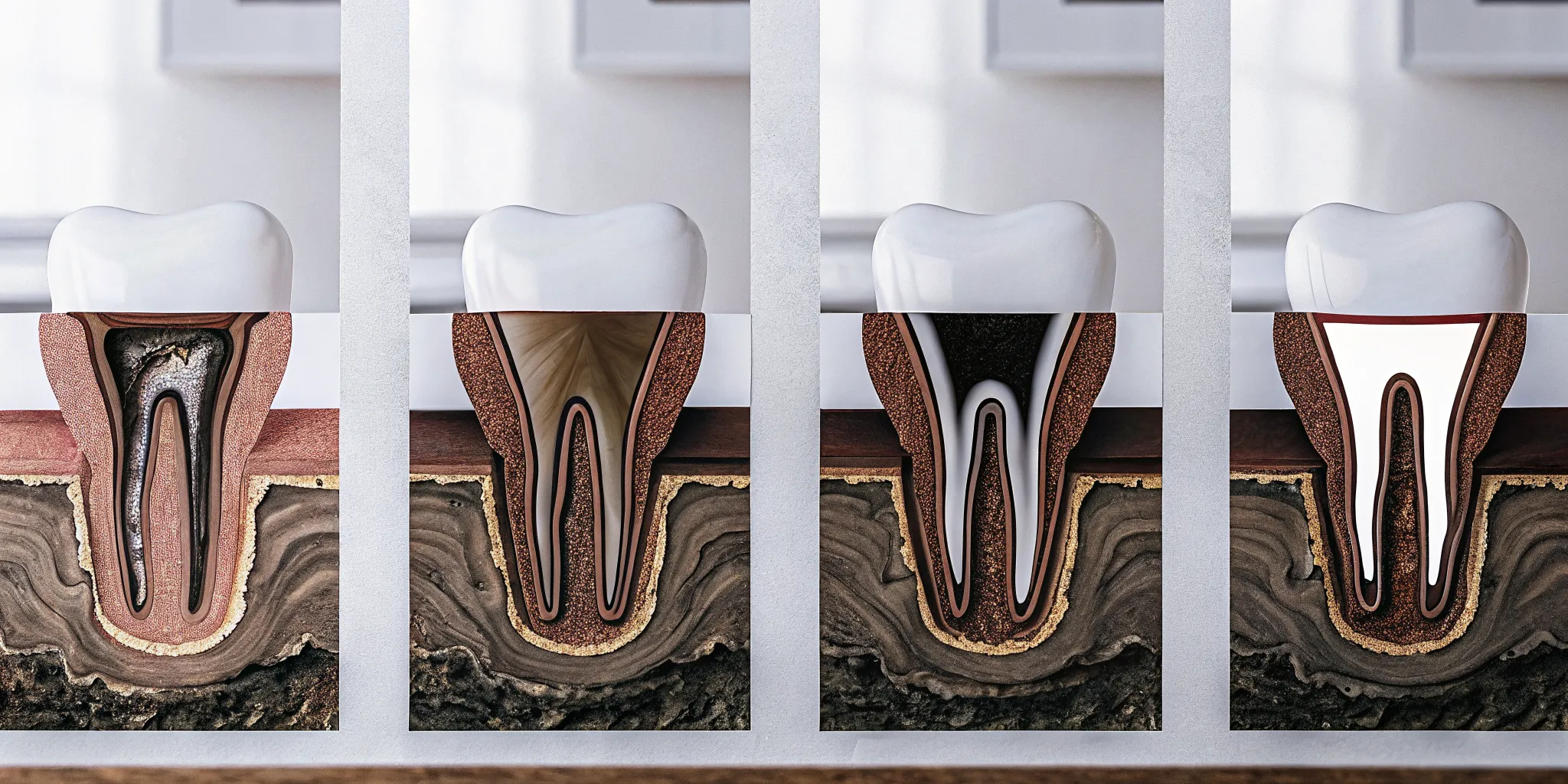
The tooth extraction healing timeline spans several weeks as the socket closes and new bone fills the space, starting with a protective blood clot in the first day. By the third day, swelling peaks and begins to fade as new gum tissue covers the site, which means soft tissue recovery is finished within two weeks. According to the Cleveland Clinic, extra swelling is normal after two weeks as the underlying jawbone continues to grow back for several months. This essential healing process ensures the area becomes strong and stable enough to support future dental treatments like permanent implants or bridges which restore your healthy smile.
Knowing what to expect during each phase of your recovery helps you spot possible issues before they become dental emergencies. You can see every major step in our Tooth extraction healing timeline at a glance. Track your own progress by following this…
Tooth extraction healing timeline at a glance
Healing starts as soon as your tooth is removed. Learn more about when and why our team may recommend a tooth extraction in West Melbourne, or explore our comprehensive dental services. You can also request an appointment for guidance based on an in-person exam.
The body works fast to close the gap and fix the bone. The body works fast to close the gap and fix the bone. Most people feel back to normal in a few days. But full repair takes place deep in the jaw over many months.
Early care and blood clot forming
The first day is the main step in the emergency dental care process. A blood clot forms in the empty hole right away. This clot acts like a natural scab to shield the bone and nerves. You should bite on a gauze pad for 30 to 45 minutes to help stop the bleeding.
Rest is key for the first two to three days after your visit. You should avoid hard work or heavy lifting. It is best to use an ice pack on your cheek for 20 minutes at a time to keep the swelling down. Most pain and swelling will peak within the first three days before they start to go away. Per the Cleveland Clinic, rest helps the body fix the area.
Soft tissue and gum repair
By the fourth or fifth day, your gum tissue starts to grow over the site. You will feel less sore and can start to eat more foods. But you should still be careful near the gap. Do not use a straw or smoke, as this can pull the clot out. This painful issue is called a dry socket and needs quick care from your dentist.
New skin and tissue will cover the hole within one to two weeks. Some light swelling may still be there, but it should not hurt much. If you have a fever or the pain gets worse after three days, call your dentist. These could be signs of an infection or other problems that need a checkup.
Long term bone growth
The top of the gum may look healed, but the bone takes much longer to mend. The deep socket where the root was can take three to six months to fill with new bone. This stage is key if you plan to get dental implant recovery services later. Strong bone is needed to hold the new tooth in place.
Some things can slow down how fast you heal. For example, some drugs for bone health can change how the jaw mends. The Mayo Clinic notes that some bone meds can impact healing after a tooth is pulled. Your dentist will check your health history to make a safe plan for you.
| Stage | Key Milestones |
|---|---|
| Day 1 | Clot forms, bleeding stops, and rest is needed. |
| Days 2-3 | Swelling peaks and then starts to go down. |
| Days 4-7 | New tissue grows and you can eat soft foods. |
| Weeks 1-2 | Gums close over and stitches may be removed. |
| Months 3-6 | New bone fills the hole in the jaw. |
What should you do during the first 24 hours?
The first day after your visit is the main part of the tooth extraction healing timeline. This is when your body begins to close the site and form a safe shield. At Celebrity Smiles Melbourne, we want to make sure you have a smooth start to your healing.
Stop the bleeding
Minor oozing is normal right after your visit. You will leave our office with a gauze pad over the site. It is key to keep firm pressure on this pad to help a blood clot form. If you had a sudden tooth issue, you might have visited us for emergency dental care to fix the pain. Now, your main job is to let the site rest so it can mend well.
Dr. Anand Shah, DMD and our team will give you a full set of steps to follow at home. If you notice heavy bleeding that does not slow down with gauze, call our office right away. We are here to help you through every step of the way.
Protect the blood clot
The blood clot is like a natural wrap for your jaw. It keeps the bone and nerves safe while the new skin grows. If this clot gets loose, it can lead to a painful issue called dry socket. You must be very gentle with your mouth during these first few hours. Avoid any moves that create suction, like using a straw or smoking, as these can pull the clot out of place.
- Keep the gauze pad in place. You should bite down on the pad for 30 to 45 minutes to stop the bleeding.
- Rest with your head raised. It is best to rest for the first few days with extra pillows to keep your head up.
- Use an ice pack. Hold a cold pack to your cheek for 15 to 20 minutes at a time to keep swelling down.
- Take meds as told. Follow the plan from Dr. Shah for any pain relief or other drugs you need to take.
- Eat soft foods. Stick to items like yogurt, soup, or mashed foods, and avoid hot drinks or spicy meals.
- Do not rinse or spit. Avoid cleaning the site or rinsing your mouth with force during the first 24 hours.
Handle your comfort
Most people feel some soreness as the numbing wears off. This is a normal way for the body to heal after surgery. Using ice and taking your meds on time will help you stay at ease. If you are planning to replace the tooth later, you might want to learn about dental implant recovery to see what comes next. For now, focus on getting plenty of rest and keeping the site clean and safe.
Be sure to avoid any hard work or lifting during the first day. Your heart rate should stay low to keep the bleeding from starting again. Drink plenty of water but do not use a straw. Staying calm and following these steps will help you get back to your normal life faster.
What to expect during the first week
The first few days of the tooth extraction healing timeline are often the most active. You’ll notice your mouth starts to change as the area begins its first phase of repair. While everyone heals at their own pace, using a set plan can help you know what is normal. It also helps you know when to call your dentist for help.
Managing swelling and pain
In the first two to three days after your tooth is pulled, you should focus on rest. This is the time when your body does much of its early work. It is common for swelling and minor pain to peak between 48 and 72 hours after the surgery. You may see swelling in your cheek or jaw, but this usually starts to go down after the third day. Keeping your head propped up on pillows when you lie down can also help reduce the blood flow to the area.
Using a cold pack on the outside of your face can help during this time. You can use it for about 20 minutes to keep swelling low and numb the ache. If you have severe pain that gets worse after three days, you should reach out for emergency dental care to check for issues like dry socket. As the Cleveland Clinic says, most people need to rest for the first two to three days. This helps the blood clot stay in place and start the healing process.
Gradual return to normal tasks
By day four or five, many people feel well enough to return to their normal daily tasks. The sharp pain from the first few days should be mostly gone. You might still have some light swelling or a mild ache, but it should not stop you from your normal life. As the tissue grows back, the site will look less red and more pink. This means the soft tissue is sealing the hole where the tooth used to be.
Even as you feel better, you must still be careful. Avoid hard sports or heavy lifting until at least day five. Too much hard work can raise your blood pressure and may cause the site to bleed again. While the top layer of gum tissue heals in about one to two weeks, the bone below takes much longer. Full bone growth in the socket can take three to six months to finish. If you plan on getting a dental implant recovery started later, your dentist will check this bone growth a lot.
Diet and oral care shifts
Your food choices will change as the week goes on. For the first day, you likely stuck to soft foods like yogurt or cool soup. By day three or four, you can often add other soft foods like mash, soft bread, or eggs. It is best to chew on the other side of your mouth to keep the site safe. Avoid foods with small seeds or sharp edges, like chips or nuts. These could get stuck in the socket and cause an infection or pain.
Cleaning your mouth is also vital during the first week. Do not brush the area where the tooth was for the first 24 hours. After that, you can gently brush your other teeth with a soft brush. Your dentist might suggest a warm salt water rinse starting on the second day. Use about half a teaspoon of salt in a cup of warm water. Swish very gently and let the water fall out of your mouth instead of spitting. This helps keep the area clean without moving the blood clot that protects the bone.

Tooth extraction aftercare for smoother healing
After a tooth is removed, your body starts a complex recovery. The first few days are vital for a smooth tooth extraction healing timeline. Good care helps stop problems and keeps you at ease. Dr. Anand Shah, DMD and our team give clear steps to help your mouth heal fast and well.
Care in the first day
The first day is about saving the blood clot in the empty space. You should bite on a gauze pad for 30 to 45 minutes right after your visit to stop bleeding. Use an ice pack on your cheek for 15 to 20 minutes at a time to keep swelling down. Avoid hot drinks and eat only soft foods during this first day to protect the site.
You must rest and take it easy for the first two to three days after oral surgery (Cleveland Clinic). Avoid heavy lifting or hard gym work, as these can make the site bleed. Keep your head up with pillows when you sleep to help with pain and swelling.
Protecting the healing site
Saving the blood clot is the top goal for early healing. Do not use straws, smoke, or vape for at least three days. The pull from these acts can dislodge the clot. This leads to a very painful case of dry socket. If you came to us for emergency dental care, these steps are even more key for your comfort.
Also, stay away from alcohol and fizzy drinks while the site is new. When you brush, be very gentle near the gap. Starting the day after surgery, you can rinse your mouth with warm salt water. This keeps the spot clean without the force of a normal wash or hard spitting.
Food and activity shifts
Soft foods are the best pick for your first few days. Try things like yogurt, mashed potatoes, or warm soup. As you feel better, you can slowly add solid foods back. Most people find they can return to daily tasks by day four or five as the swelling fades.
Gum tissue healing often takes one to two weeks, but some swelling may last longer. The bone under the gum takes more time to fully grow back. If you take drugs like bisphosphonates for thin bones, let us know. These can change how your bone heals after a tooth is gone.
When to call us
Some pain is normal, but you should watch for red flags. Call us if you have sharp pain that gets worse after three days. You should also call if you have a fever, chills, or bleeding that will not stop with pressure. Our team is here to help you get back to a healthy smile with no stress.
How can you lower the risk of dry socket?
Dry socket is a painful problem that can happen after you have a tooth removed. To learn about it, you must first know how the tooth extraction healing timeline works. As soon as your dentist pulls a tooth, your body starts to heal. A blood clot forms in the empty space to protect the bone and nerves while new tissue grows. If this clot moves or breaks too soon, the bone is left open to the air. This can cause sharp pain and slow down your healing.
What is dry socket?
In a normal case, the soft tissue at the site takes about one to two weeks to heal. During this time, the blood clot acts like a natural scab. When that clot is lost, it is called a dry socket. It often leads to a dull, throbbing ache that can spread to your ear or neck. You might also notice a bad smell or taste in your mouth. While most people heal without any issues, smokers may face a higher risk. People who take certain drugs for bone health also have a higher chance of problems. For example, some drugs used for bone loss can impact bone healing after a tooth is gone.
Tips to protect the blood clot
The best way to avoid dry socket is to keep the blood clot in place for the first few days. Dr. Anand Shah, DMD, will give you a list of rules to follow after your visit. These steps help your mouth stay safe while the initial healing happens. Most people find that resting for two or three days helps the body focus on repair. Here are some simple ways you can protect the site:
- Avoid using straws for at least one week. The suction can pull the clot out.
- Do not smoke or use tobacco. These items can slow down blood flow and healing.
- Stick to soft foods like yogurt or mashed potatoes. Avoid hot drinks for the first day.
- Do not rinse your mouth too hard. Also, do not spit with force for the first 48 hours.
When to call your dentist
Some pain and swelling are common after a tooth is pulled. Most patients feel well enough to go back to their daily tasks by day four or five. But if you feel sharp, worsening pain after the third day, you should not wait to get help. Guessing what is wrong can be hard, so it is always best to let a pro check the area. If you think you have an issue, you may need emergency dental care. A dentist can help manage the pain and check the site. Look for signs like a fever, chills, or a foul taste that will not go away. Our team can clean the socket and apply a special wrap with medicine to bring you quick relief.
What happens after the first week?
After the first seven days, the early pain and swelling usually fade. You will see new pink tissue covering the spot where the tooth was. This is a big step in the tooth extraction healing timeline. While the surface looks better, your body is still working hard underneath to fix the area and fill the gap.
This change happens slowly but surely. You may notice the area feels smoother as the days pass. It is vital to keep the rest of your teeth clean during this stage to help the site stay healthy. A clean mouth allows your body to focus all its energy on fixing the old extraction site.
Gum tissue closure
In the second week, your gums keep closing over the empty socket. This soft tissue often takes one to two weeks to heal in a full way. During this time, you might still feel a small dip in the gum line with your tongue. Do not poke at the site, as the new skin is still very thin and soft.
It is normal to see some extra swelling even after the two-week mark. This does not always mean there is a problem. But if the pain gets worse or you have a fever, call our office right away. Dr. Anand Shah, DMD, can check the site to make sure your healing is on track.
Each person heals at their own speed based on their age and health. Younger patients may see the gap close faster than others. If the tooth was small, the hole will likely seal up sooner than a large molar site. This is a normal part of how our bodies fix themselves.
Long-term bone healing
While the gums close fast, the bone takes much more time. The hole in your jaw bone needs to fill with new, strong bone cells. This part of the tooth extraction healing timeline is quite slow. The bone in the socket can take three to six months to fully grow back.
Some health things can slow this bone growth down. For example, some osteoporosis drugs can change how well the jaw bone heals. If you are planning for dental implant recovery, we must wait for this bone to be very strong. Dr. Shah uses 3D scans to watch this deep process and pick the best time for the next step.
If the bone does not heal well, it can lead to other dental issues later. This is why we watch your progress closely. We want to ensure the base of your smile is solid for years to come. This deep healing is what makes long term dental work possible.
Follow-up and care
Most patients do not need many visits after the first week of care. But some hard cases might need a quick check-up. We want to see how the tissue looks and if any stitches need to come out. If you had emergency dental care for a deep infection, we will check to see if the germs are gone.
You should still be gentle with the site for a few more weeks. Try to avoid very hard or crunchy foods that could poke the new, soft tissue. Keeping the rest of your mouth clean will help stop new germs from growing. Our goal is to make sure your smile stays aligned and healthy through the entire process.
When should you call your dentist?
Most people heal well after they have a tooth removed. But you need to know which signs show an issue. While some ache is normal, it should not get worse as days pass. If your pain peaks and then stays high, you should reach out to your dental team. Watching your dental implant recovery or extraction site is a key part of staying healthy.
Signs of a possible infection
It is normal to feel some soreness for a few days. But you should call your dentist if you have a fever or chills. These signs mean your body is fighting a bug. You might also have a bad taste or smell coming from the site. This often means pus is there, which is a clear sign of an infection. Quick care is the best way to stop an infection before it spreads.
You should also look for swelling that does not go away. Some swelling is part of the tooth extraction healing timeline for about two weeks. But if the swelling gets bigger after the first three days, it may be a sign of a bug. If you feel sick or have a high heat, do not wait. Call our team to schedule an exam right away.
Issues with bleeding and swelling
Minor bleeding is common right after your tooth removal. You can usually stop it by biting on a gauze pad for 30 to 45 minutes. But you should call for help if the bleeding is heavy or will not stop. This is mostly true if the blood is bright red and flows fast. Keep your head up and stay calm while you wait for a call back from your doctor.
When to seek urgent care
Some swelling is expected, but it should stay in one spot. Call for emergency dental care if you have swelling that makes it hard to breathe. You should also call if it becomes hard to swallow or move your tongue. These issues can be very serious and need fast help. Our office in West Melbourne offers same day care for these types of urgent needs.
Most recovery steps can be handled with rest and soft foods. But severe pain that stays for more than three days is not a good sign. If you have pain that meds do not help, you should call us. This could be a sign of a dry socket, which happens when the blood clot is lost too soon. We can treat this pain and help you feel better fast.
Do not try to diagnose these issues on your own. If something feels wrong, it is always best to check with a pro. Dr. Anand Shah, DMD, and our team are here to help you heal safely. We want to make sure your smile stays healthy and strong. Reach out to us if you have any questions about your healing path after your visit.
Frequently Asked Questions
What is the typical tooth extraction healing timeline?
The healing process begins as soon as your tooth is removed. According to the Cleveland Clinic, soft tissue at the site usually heals within one to two weeks. However, the bone socket takes much longer to fully grow back. It can take three to six months for the bone to fill back in completely. Following all care steps helps your mouth heal on schedule and avoids common issues like dry socket.
What can I expect in the first 24 to 72 hours after tooth extraction?
During the first few days, a protective blood clot forms in the empty socket. You will likely see some minor bleeding and feel mild pain. Swelling is also a normal part of the process and often peaks between 48 and 72 hours. You can use ice packs on your cheek for 15 to 20 minutes to help with this. Be sure to rest and follow all rules from Dr. Anand Shah, DMD and his team.
When can I return to normal activities after a tooth extraction?
Most patients should rest for at least two to three days after a routine extraction. Taking it easy helps the first clot stay in place. By day four or five, most people can return to their daily tasks as swelling goes down. You should still avoid heavy lifting or hard exercise for about a week to prevent new bleeding. As noted by the Cleveland Clinic, resting early on is key to a fast recovery.
When should I contact my dentist after a tooth extraction?
You should call your dental office if you have severe pain that gets worse after three days. Other warning signs include fever, chills, or a bad taste in your mouth that will not go away. Heavy bleeding that does not stop when you bite on gauze also requires a call to Dr. Anand Shah, DMD. Early care for these issues can prevent infections or other problems that might slow down your healing time.
Ready to start your fast tooth extraction healing journey?
If you wait to fix a bad tooth, the pain can get much worse and the cost of your care can go up very fast. You may also face a much higher bill if the infection moves deep into your jaw bone or your gum tissue today. Choosing to start your care today helps you get back to your normal life and your favorite foods much faster than if you wait. Read our emergency dental care guide to learn how we help patients with tooth pain before you come in for your visit.
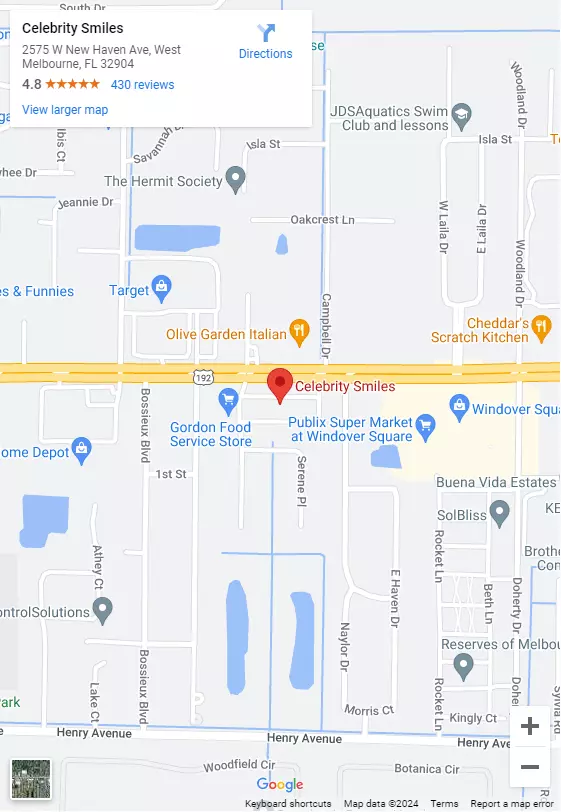
Ready to request an appointment? Call 321-914-0929 to book your exam with Dr. Anand Shah, DMD and start your path to a healthy smile.