Recovery after dental implant surgery is a vital period that influences long-term success. This guide summarizes typical timelines, key healing stages, essential post-operative care, how recovery can vary, and dietary advice to support healing for patients considering Dental Implants in West Melbourne, so you know what to expect.
What Is the Typical Recovery Time After Dental Implant Surgery in West Melbourne?
Typical recovery ranges from three to six months to allow osseointegration, when the implant fuses with the jawbone. Most people return to normal activities within a few days, but full tissue healing can take several months; plan follow-ups accordingly.
Which Healing Stages Should Patients Expect Post-Surgery?
Healing proceeds in stages; each supports long-term stability.
- Immediate Post-Procedure Care: Manage pain and swelling with rest and ice; follow instructions for bleeding control.
- Initial Recovery Phase: During the first weeks expect mild pain or sensitivity; follow wound-care directions carefully.
- Osseointegration Phase: Over several months the implant bonds to bone; avoid pressure on the site to protect integration.
Knowing these stages helps you follow the right precautions at each point.
How Does Recovery Duration Vary Among Individuals?
Recovery varies by patient and procedure complexity.
- Individual Healing Rates: Age, general health and lifestyle affect how quickly tissues heal.
- Complexity of the Procedure: More extensive surgery or bone grafting can extend recovery.
- Overall Health Impact: Chronic conditions or medications may slow healing.
Discuss personal risk factors with your dentist to set realistic expectations.
What Are the Essential Post-Operative Care Instructions for Dental Implants?
Follow these basic steps after surgery:
- Maintain Good Oral Hygiene: Keep the mouth clean to prevent infection; be gentle around the implant site.
- Follow a Soft Food Diet: Choose soft, non‑chewy items until cleared by your dentist.
- Stay Hydrated: Fluids support healing and general health.
How Should Patients Maintain Oral Hygiene After Implant Surgery?
Good hygiene reduces complications. You should:
- Brush Twice Daily: Use a soft-bristled brush and avoid direct pressure on the implant early on.
- Floss Daily: Remove trapped food and plaque between teeth to protect nearby tissues.
- Use Antibacterial Rinse: A recommended mouthwash can lower infection risk.
These measures help healing and lower infection risk.
What Dietary Recommendations Support Optimal Healing?
Nutrition supports tissue repair. Include:
- Protein-Rich Foods: Lean proteins such as chicken, fish and legumes support repair.
- Calcium and Vitamin D: Dairy and leafy greens help bone health for osseointegration.
- Hydration Importance: Adequate fluids aid recovery and oral comfort.
Good nutrition complementssurgical care.
Further emphasizing the importance of nutrition, research highlights how specific dietary components are crucial for successful oral tissue regeneration.
Dental Implant Recovery: Diet & Nutrition for Healing
The process of wound healing after oral surgery is a complex biological phenomenon influenced by multiple factors, including proper nutrition. Nutrients, both micro- and macronutrients, play a crucial role in oral tissue regeneration by supporting collagen synthesis, cell proliferation, and modulation of inflammation. Vitamins, minerals, and an adequate intake of proteins, fats, and carbohydrates can accelerate the healing process and reduce the risk of complications. The aim of this study is to analyze the available literature on the impact of diet on regenerative processes in the oral cavity, with a particular focus on the role of micro- and macronutrients, as well as the microbiota, and to determine optimal dietary recommendations for patients undergoing oral surgical procedures.
The Impact of diet on wound healing after dental surgery-the role of micro-and macronutrients in the regeneration of oral tissues, 2025
How Can Patients Effectively Manage Pain During Dental Implant Recovery?
Manage discomfort with common measures:
- Over-the-Counter Pain Relievers: Ibuprofen or acetaminophen as advised by your provider.
- Cold Compress Application: Apply to the jaw to reduce swelling and numb pain.
- Rest and Avoid Strenuous Activity: Rest supports the body’s healing response.
What Pain Management Methods Are Recommended by Dental Professionals?
Dental teams commonly recommend:dental bridges.
- Over-the-Counter Pain Relievers: For short-term symptom control.
- Cold Compress: To limit swelling in the first 48–72 hours.
- Relaxation Techniques: Deep breathing or meditation can reduce pain perception.
Use these methods as directed and contact your dentist for persistent pain.
When Should Patients Seek Professional Help for Pain or Complications?
Contact your dental professional if you notice concerning signs:
- Severe Tooth Pain: Intense, worsening pain that does not respond to medication.
- Swelling in the Jaw: Rapid or extensive swelling may indicate infection.
- Signs of Infection: Fever, pus, or persistent redness around the implant site.
Early evaluation reduces the risk of more serious issues.
What Localized Aftercare Resources Are Available for West Melbourne Dental Implant Patients?
Local resources include:
- Post-Procedure Care Guidelines: Clinics provide tailored written instructions.
- Emergency Preparedness: Clear advice on when and where to seek urgent care.
- Follow-Up Plans: Scheduled reviews to monitor healing and address concerns.
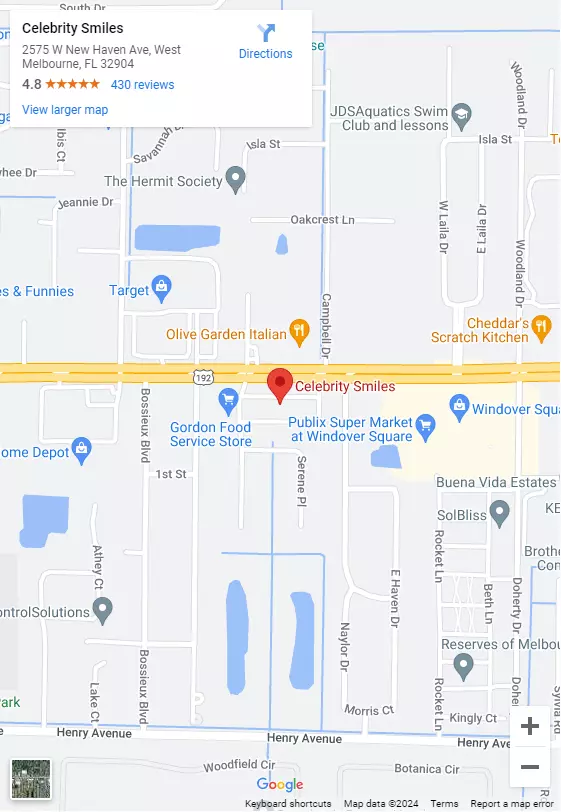
How Does Celebrity Smiles Personalize Recovery Support for West Melbourne Residents?
Celebrity Smiles offers localized recovery support, including:
- Same-Day Appointments: Quick access for urgent concerns.
- Emergency Dental Care: Prompt management of complications.
- Tailored Treatments: Individualized recovery plans based on needs.
Where Can Patients Schedule Follow-Up Consultations and Support?
Schedule follow-ups through localdental practices. Options typically include phone and online booking and facilities with accessibility features to support all patients.
For more information or to schedule a consultation, pleasecontact us.
If you are considering dental implants, Celebrity Smiles in West Melbourne provides comprehensive services.
Additionally,Celebrity Smiles Online offers a range of dental solutions to meet your needs.
Frequently Asked Questions
What are the common side effects after dental implant surgery?
Common side effects are swelling, bruising and mild discomfort near the implant site; these usually improve within a few days with simple pain relief. Contact your dental professional if symptoms persist or worsen.
How can patients ensure a successful osseointegration process?
Follow post-operative instructions, avoid pressure on the implant, maintain oral hygiene, stick to soft foods initially and avoid smoking and excessive alcohol. Attend follow-up visits so the dental team can monitor integration.
What lifestyle changes can support recovery after dental implant surgery?
Eat a balanced diet, stay hydrated, get adequate rest, avoid strenuous activity early on, and use stress-reduction techniques to support healing.
Are there any specific foods to avoid during the recovery period?
Avoid hard, crunchy or sticky foods (nuts, popcorn, chewy candies) and very spicy or acidic items that may irritate the surgical area; choose soft, nutritious options like yogurt, smoothies and mashed vegetables.
What should patients do if they experience prolonged swelling or pain?
If swelling or pain continues beyond the expected timeframe, or if you develop fever or unusual discharge, contact your dental professional promptly for assessment and treatment.
How can patients prepare for their first follow-up appointment?
Note any symptoms, bring a list of medications, and prepare questions for the dentist. Keep good oral hygiene before the visit to allow an accurate assessment of healing.
Conclusion
Understanding the dental implant recovery timeline and following post-operative instructions improves healing and outcomes. For personalized guidance and follow-up care, contact a local dental practice to schedule a consultation and begin your recovery with professional support.