
A well-made dental crown can protect a weak tooth for ten to thirty years with daily care. This durable restoration acts like a sturdy cap that keeps your natural tooth safe.
Book a Crown Exam at Celebrity Smiles
How long dental crowns in West Melbourne, FL last depends on the type you choose and how well you clean your teeth every day. Most high-quality crowns stay in good shape for ten to fifteen years, but many can last for thirty years with the right care. Research shows that ninety-five percent of dental crowns stay strong for at least five years without needing any major repairs or a full new crown. You can help your crown last for decades by brushing twice a day, flossing nightly, and visiting your dentist for your yearly checkups. Avoiding hard foods like ice or candy prevents cracks in the cap and keeps your smile looking its best for a very long time.
Every patient wants to know what to expect from a new crown before leaving the dental chair. This guide answers how long dental crowns last on average and explains practical ways to protect your restoration.
How long do dental crowns last on average?
Most dental crowns last between 10 and 30 years. This range is wide because many things affect how well a crown holds up. While 10 years is a common goal, many people keep their crowns much longer. Modern dental tools and parts have made these caps very strong. With good care and regular dental checkups, your crown could stay in place for two or three decades. It is important to know that a crown does not have a set end date. It is a custom fix made to last as long as possible for your own mouth.
Typical life of a dental cap
Data from dental studies shows that crowns are very tough. About 95% of dental crowns stay in the mouth for at least five years without needing big repairs. This high success rate shows that crowns are a trusted way to fix a damaged tooth. As time goes on, the success rate stays high but starts to drop. About 50% to 80% of crowns are still working well after 15 to 20 years. Some people even keep their crowns for up to 50 years. This usually happens when the patient has great oral habits and sees their dentist every year.
The type of tooth the crown covers also changes its life. Crowns on front teeth often last longer than those on back teeth. Front teeth do not face the same heavy force as molars. Molars are the teeth you use to grind and crush tough foods. This constant pressure can cause more wear and tear over time. Even so, a well-made molar crown can still last for many years. It just needs to be fitted well and cared for with daily brushing.
Factors that change crown life
Several things play a role in how long your crown will stay in good shape. One big factor is the material used to make the cap. For instance, zirconia crowns are very tough and often last 15 years or more. Porcelain and metal blends are also very strong. The way your teeth come together when you bite is also key. If your bite is not level, it can put too much stress on the crown. This might cause the cap to crack or come loose sooner than it should.
Your daily habits also make a huge difference. If you grind your teeth at night, you might need a mouth guard to protect your crown. Eating very hard or sticky foods can also put your crown at risk. Proper brushing and flossing are the best ways to prevent new decay. A crown protects the top of the tooth. But the area where the cap meets the gum is still at risk. If a new cavity forms there, the crown may need to be removed to fix the tooth.
Knowing when to get a new crown
You do not usually need to swap out a crown just because it is old. Most dentists only suggest a new one if they find a problem during an exam. New cavities are a common cause of crown failure. About 22% of crowns that fail do so because of new tooth decay. Other reasons include a loose fit or a chip in the material. If the cement that holds the crown in place washes away, the cap can become loose. This allows food and germs to get under the crown. This can lead to pain or infection.
If you have an old crown, it helps to know when to replace your dental crown. Catching a small issue early can save you from more work later. New tools have also changed how we make these caps. You can now get same day crowns that are just as strong as older types. If you are curious about new options, you can learn how long do same-day dental crowns last in our latest guide. Whether you have a new cap or an old one, regular visits to Dr. Anand Shah, DMD will help. These visits ensure your smile stays healthy and strong for years to come.
How crown materials compare for longevity
Picking the right type is a key step in how long your new tooth will last. On average, most dental caps serve people for 10 to 30 years with the right care. Each type offers many perks for strength and how they look. Your dentist will help you pick a choice based on where the tooth is and how you bite. To learn more about local choices, you can see our page on dental crowns in West Melbourne.
Modern zirconia and ceramic choices
Many people now choose zirconia or full ceramic for their teeth. Zirconia is a very strong type of metal-free cap. It is tough and resists chips well. Studies show that zirconia crowns often last 15 years or even longer because they are so hard. They work well for back teeth that do a lot of chewing and grinding each day. These crowns can handle high force without breaking in a short time.
Full ceramic or porcelain crowns are great for front teeth. They look very much like real teeth and let light pass through them. This makes them blend in with your smile. While they are strong, they might not last as long as zirconia under a heavy bite. Some people also choose same-day dental crowns made from high-grade ceramic. These use new tools to fit your tooth in just one visit to the office.
Traditional metal and PFM designs
Metal alloys are the strongest choice for dental work. These use gold, silver, or other metals to make a long-lasting cap. Metal does not wear down the teeth it hits when you chew. Because they are so strong, they can last for many years. But, their dark color means most people only use them for back teeth where no one can see them. They are a top choice for people who grind their teeth at night.
Porcelain-fused-to-metal (PFM) crowns try to give you the best of both worlds. They have a metal base for strength and a porcelain top for a natural look. These have been a standard in dental care for a long time. They are very strong and stay in place well. Research found that over 95% of dental crowns stay in good shape for at least five years. Over 15 to 20 years, the survival rate stays between 50% and 80% for many people.
Material traits and selection factors
When you pick a type, you must think about where the tooth sits in your mouth. Front teeth need to look good, so ceramic is often the best fit. Back teeth need to be strong, so zirconia or metal works better. Your gum health and how you clean your teeth also play a big role. No matter the type, keeping the area clean helps stop decay under the cap. Research shows that good oral hygiene leads to high survival rates for many decades.
| Material Type | Main Benefit | Esthetic Level | Expected Span |
|---|---|---|---|
| Zirconia | High strength | High | 15+ Years |
| Full Ceramic | Natural look | Best | 10-15 Years |
| PFM | Proven strength | Good | 10-20 Years |
| Gold Alloy | Maximum wear | Low | 20+ Years |
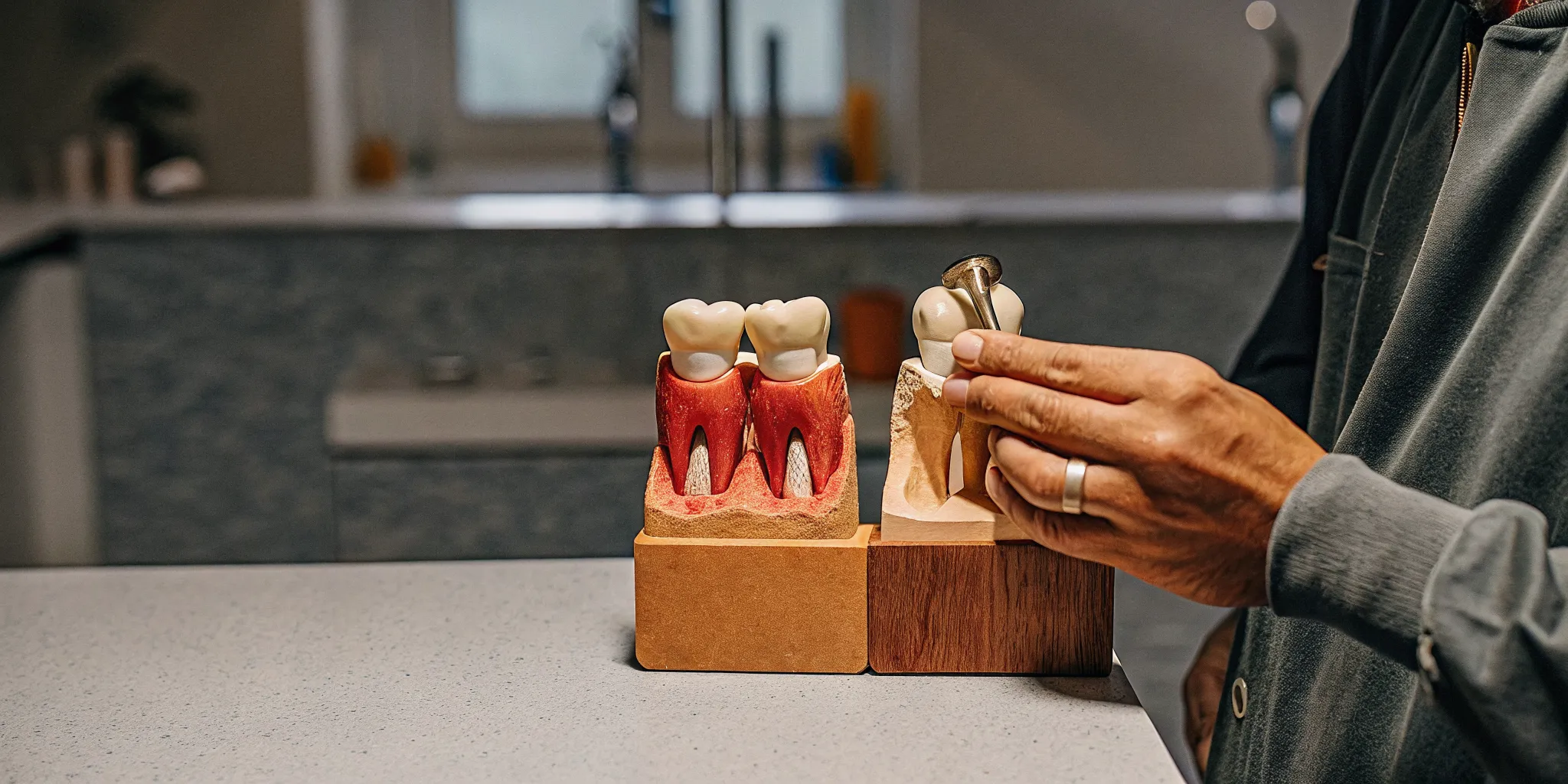
The fit of the crown also affects its life. A crown that fits well will keep germs out and stay on the tooth longer. Your dentist uses scans to make sure the cap sits tight. This helps stop leaks that can lead to new cavities. If you stay on top of your dental visits, your crown can stay strong for a very long time. Regular checks help find small issues before they become big problems for your smile.
Do same-day crowns last as long?
In the past, getting a dental crown meant two or three trips to the office. You had to wear a short-term cap that might fall off. Now, systems like CEREC let us make and place a crown in one visit. Many patients ask if these fast crowns are as strong as old ones.
The answer is that they are very tough when made with good blocks of ceramic. They offer the same strength as a lab-made crown. This tech helps us give you a new smile without the long wait.
Digital scanning and milling
Same-day crowns use digital tools to build a custom fit. First, we use a digital scanner to take a 3D picture of your tooth. This takes the place of the messy putty used in the past. A computer then sends this image to a milling machine in our office.
The machine carves your crown from a solid block of ceramic or zirconia in minutes. Dr. Anand Shah, DMD can then bond the crown to your tooth right away. This process saves time and cuts out the need for a short-term crown. Since the scan is precise, the fit is often very tight.
A good fit helps keep the tooth healthy under the new cap. It reduces the risk of germs getting into the tooth. This leads to a cap that feels and looks real and helps you smile with more ease.
Longevity and clinical outcomes
When people ask how long do same-day dental crowns last, they are often happy with the data. Research shows that same-day crowns work as well as lab-made ones. Clinical studies show that about 95 percent of dental crowns stay in place for at least five years.
Over a long span of 15 to 20 years, the rate of success is between 50 and 80 percent. This means a same-day crown is a solid long-term fix for a broken tooth. The materials used, like zirconia, are made to handle the force of biting. They do not wear down fast during daily use.
Some long-term studies show that with great care, crowns can last for decades. The main goal is to make sure the crown fits right from the start. This stops decay from starting around the edges. When the fit is right, the crown stays stable for a long time.
Maintaining your new cap
Even though the tools are great, your habits still matter. You should know when to replace your dental crown if it shows signs of wear. To help your crown last, you must brush and floss every day. This keeps the gums healthy around the new cap.
You should also visit us for regular checkups twice a year. We check the seal of the crown and look for any small cracks. We use 3D images to see parts of the tooth that are hard to reach. This helps us find issues before they cause pain.
If you grind your teeth at night, a night guard may be needed to protect the porcelain. This prevents chips and keeps the crown in one piece. By taking these simple steps, you can keep your same-day crown for a very long time.
What affects a dental crown’s lifespan?
A dental crown is a strong cap that protects a damaged tooth. While it is built to be tough, it will not last for long. Many factors play a role in how long do same-day dental crowns last. Most of these depend on how you treat your teeth and the choices you make with your dentist. In many cases, 95% of dental crowns stay in good shape for at least five years. With the right care, some can even last for decades.
Your daily care and habits
The way you clean your teeth each day is the most vital part of crown health. Even though a crown is not real enamel, the tooth under it can still rot. Plaque can build up at the gum line where the crown meets the tooth. This area is called the margin. If germs get under the crown, they can cause a cavity. Research shows that tooth decay is a main cause of crown failure. You should brush twice a day and floss well around the base of the crown to keep it safe.
Your habits also matter. If you chew on hard things like ice or pens, you might chip the crown. Some people grind their teeth at night. This is called bruxism. It puts a lot of stress on the crown and can make it crack or come loose. If you grind your teeth, you may need a night guard. This simple tool helps protect your work while you sleep. Avoiding sticky foods also helps. These can tug on the crown and weaken the glue that holds it in place.
The type and place of the crown
Where the crown sits in your mouth makes a big change. Back teeth do most of the heavy work when you chew. They face more pressure than front teeth. This extra force can cause back crowns to wear down faster. The type of crown your dentist uses also plays a part. Some types are stronger than others. For one, zirconia is very tough and often lasts more than 15 years. Metal or gold crowns are also very strong. Porcelain looks like a real tooth but can chip more easily if you hit it hard.
The fit of the crown is also key. If the crown does not line up well with your other teeth, your bite will be off. This can lead to uneven pressure. Over time, that pressure can break the crown or hurt the tooth under it. A good fit keeps your bite even and helps the crown stay in place. When you first get a crown, tell your dentist if it feels too high or weird when you bite down. A quick fix now can save you from a big problem later.
Professional care and checkups
Steady dental visits are a must for keeping your crown in top shape. During an exam, Dr. Anand Shah, DMD can check for small cracks or signs of wear. Finding a small issue early can prevent the need for a new one. Study data shows that people who get yearly dental checkups can keep their crowns for up to 50 years. These visits allow your team to clean the areas you might miss at home. They can also check the seal around the crown to make sure no germs are getting inside.
You should also know when to replace your dental crown. If the crown feels loose, it might be a sign that the glue is washing away. This can happen over time as you eat and drink. If you feel pain or see a dark line near your gum, call your dentist. These are signs that the crown may need a look. Taking care of your crown is a team effort. You do the daily work, and your dentist handles the deep checks to ensure your smile stays healthy and strong.
How to help your dental crown last longer
Getting a dental crown is a great way to fix a damaged tooth. These strong caps cover your tooth to keep it safe. Most crowns are made to last for a long time. In fact, many people find that a dental crown can last for 15 to 20 years or more. But the life of your crown depends on how well you care for it. If you treat it right, your new tooth can stay in good shape for decades.
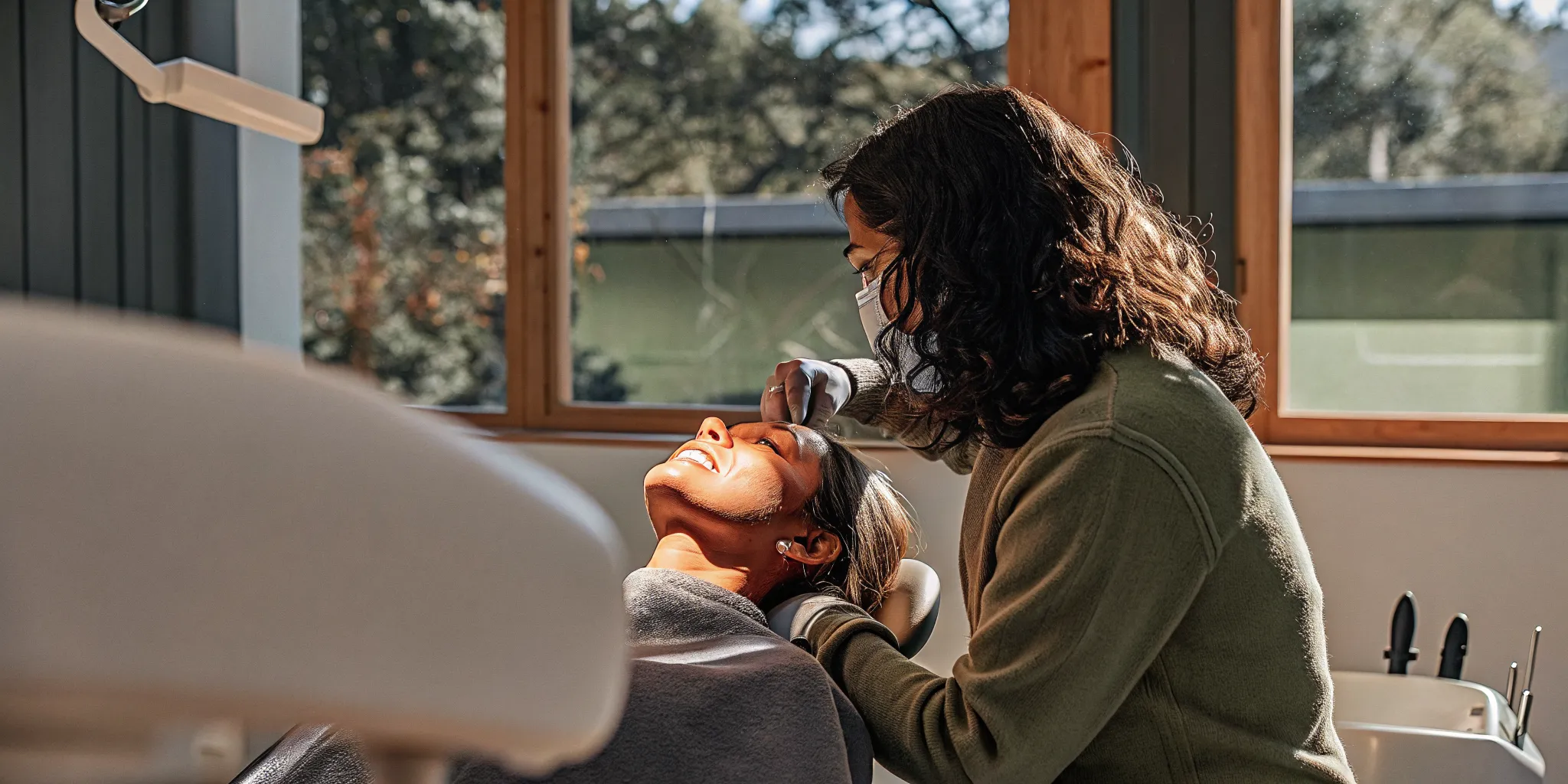
A simple daily routine
You must treat your crown like a real tooth. Even though the cap cannot decay, the tooth under it can still get a cavity. Tooth decay is a top cause of crown failure, leading to many new caps. Keeping the area clean is the best way to stop this. You should brush and floss every day to remove food and plaque. This helps protect the edge where the crown meets your gum line.
- Brush twice a day. Use a soft brush and fluoride toothpaste. Clean all sides of the crown just like your other teeth.
- Floss around the base. Be gentle when you floss near the gums. Removing plaque from the edge keeps the natural tooth healthy.
- Do not use teeth as tools. Never use your teeth to open bags or bite your nails. This can chip the porcelain on your new crown.
- Stop chewing hard items. Avoid biting on ice, hard candy, or popcorn kernels. These can crack even the strongest dental work.
- Wear a night guard. If you grind your teeth at night, a guard will help. It acts as a cushion to stop the crown from breaking.
- Visit your dentist. Go for a check-up every six months. Your dentist will check the fit and look for any small cracks.
Expert dental care
Routine dental visits are a key part of crown care. During a check-up, your dentist will look at the edges of your crown. They use special tools to find tiny gaps that you cannot see in a mirror. If they find a problem early, they can often fix it before the crown fails. This simple step is why some dental crowns stay in place for a lifetime.
Protect your new tooth
Biting force causes many crowns to fail over time. Things like biting too hard or grinding your teeth can put stress on the cap. This is why you should ask about how long same-day dental crowns last during your visit. Modern tools allow Dr. Anand Shah, DMD to make exact caps that fit your bite well. A good fit means less stress on the tooth and a lower risk of cracks. If you feel a change in your bite, call us right away.
Small changes can make a big difference. For example, some people have a habit of clenching their jaw when they are stressed. This can wear down the crown faster than normal. Try to be mindful of your jaw during the day. If you notice any pain or a loose feel, do not wait. Getting a quick check-up can save the crown before a big problem starts. Proper care makes sure your smile stays bright and strong for years to come.
What are the signs a crown needs replacement?
A dental crown is a strong cap that protects a weak tooth. Most caps are built to last, but they do not stay in place forever. You may wonder how long do same-day dental crowns last when compared to old metal ones. Most crowns stay in good shape for 10 to 30 years if you take care of them. Knowing the signs of a failing crown helps you act fast. You should know when to replace your dental crown before it breaks.
Visible cracks and surface wear
One of the best ways to see if you need a new crown is to look for damage. You might see a small chip or a deep crack on the surface. Even tiny cracks can let food and germs reach the tooth inside. This can lead to more health issues for your mouth. Zirconia crowns are very tough and often stay in place for 15 years or more. But even the best caps can wear out if you grind your teeth. This wear can make the cap look flat and thin over time.
You might also notice a dark line at the base of your crown. This line often shows up with older porcelain-fused-to-metal caps. As your gums pull away, the metal part of the crown becomes visible. This dark line is not always a health risk, but it can change how your smile looks. If the line bothers you, it may be time for a new crown. A new porcelain cap can give you a more natural look. Your dentist can check if the crown is still safe to use.
Pain, gum changes, and tooth decay
New pain in a tooth that has a crown is a big red flag. You might feel a sharp sting when you drink cold water. This pain often means that the seal of the crown has failed. When the seal breaks, germs can get inside and cause decay. Tooth decay is a leading reason why crowns need to be replaced by a pro. If the tooth under the cap starts to rot, you may need more than just a new crown. You might need a root canal to stop the infection.
The state of your gums can also tell you if your crown is in trouble. Swelling or redness around the cap can mean that it does not fit well. If the cap is too big or too small, it can trap germs and hurt your gums. Gums that pull back can also leave the root of the tooth open to harm. When the gums shrink, it is hard to keep the area clean. This makes it easy for plaque to build up. If you see your gums changing, you should ask for an exam right away.
Loose movement and bite problems
A crown should never feel loose or move when you chew. If you can wiggle the cap with your tongue, the cement may be gone. When a cap is loose, it can no longer protect the tooth. You might also notice a bad taste or an odor that does not go away. This often happens because food is stuck under the loose crown. A bad smell is a sign that bacteria are growing where they should not be. This can lead to deep decay if you do not fix it fast.
Changes in your bite can also signal a problem. If the crown feels “too high” when you bite, it can cause jaw pain. This can happen if the crown has moved or if the tooth under it has shifted. A crown that does not fit your bite well can chip your other teeth. It can also cause the cap to break or fall off. If your bite feels off, a quick visit to the office can help. Dr. Anand Shah, DMD can check the fit and see if you need a new cap.
When should you have an older crown checked?
Your dental crown is a custom fix built to stand up to daily use. While many patients in West Melbourne ask how long do dental crowns last, the truth is that they need regular care to stay in top shape. A crown can often last between 10 and 30 years if you treat it well. However, waiting for a crown to break is not the best plan. Dr. Anand Shah, DMD, and our team at Celebrity Smiles Melbourne suggest a check at least once a year.
Regular checks help us find tiny cracks or leaks that you might not feel yet. Our goal is to keep your smile healthy and avoid sudden dental pain. We use over 13 years of dental skill and the latest tools to look at your older crowns. If a crown starts to fail, catching it early can save the tooth underneath. This simple step can prevent the need for more complex work later on.
Check for chips or cracks
A dental crown faces a lot of pressure every single day. If you grind your teeth at night or chew on hard foods, the material can weaken over time. Small chips might not hurt at first, but they can let germs hide in your tooth. Research shows that mechanical issues cause about 70% of crown failures. During an exam, we check the surface of the crown for any signs of thin spots or small cracks.
If we find a problem, we can talk about your best choices. Some small chips can be smoothed out, but bigger cracks might mean it is time for a new crown. We offer high-quality choices like zirconia that are very strong and can last for many years. Knowing when to replace your dental crown helps you stay ahead of bigger costs and keeps your tooth safe.
Look at the gum line
The health of your gums is just as vital as the crown itself. As you age, your gums may pull back or recede. This can leave the edge of the tooth exposed. When the seal at the gum line breaks, it is much easier for decay to start. Studies show that decay causes over 22% of new crown needs. We check the area where the crown meets the tooth to make sure it is still tight.
If we see your gums moving away from the crown, we will check for signs of gum disease. Keeping the area around your crown clean is the best way to make it last. Our team can show you the best ways to brush and floss around your dental work. We want to make sure your gums stay firm and healthy for a long time.
Use 3D dental scans
Sometimes a crown looks perfect on the outside but has a problem hidden below. We use CBCT 3D scans to get a full view of your tooth and bone. These tools allow us to see decay that a basic x-ray might miss. For patients who have had their dental work for a long time, this check is a vital step. If you need a new one, we can even discuss how long do same-day dental crowns last and how they might help you.
Our digital scans are fast and do not require messy molds. This makes your visit more comfy and gives us clear facts. Whether your crown is five years old or twenty, an expert check gives you peace of mind. We invite you to call our West Melbourne office to schedule your next exam and keep your smile bright.
Frequently Asked Questions
How long does a dental crown last on a molar?
Molars do the most work when you chew. This means they face more wear than front teeth. On average, a molar crown lasts between 10 and 15 years. Using strong types like zirconia can help them stay in place for a long time. Based on medical data, about 95 percent of dental crowns last at least five years. Daily brushing and flossing are the best ways to keep your molar crown strong.
How long do crowns last on front teeth?
Crowns on front teeth often last longer than those on molars. This is because they do not face as much force from biting. Most front tooth crowns last 15 years or more. These teeth are also easier to clean, which helps prevent decay at the gum line. Based on health studies, some dental crowns can even last up to 50 years with great care. You should avoid biting into very hard things to prevent chips.
When does a dental crown need to be replaced?
You may need a new crown if you see signs of wear or feel pain. Common signs include cracks, chips, or dark lines near the gums. Cavities can also form under the crown. This requires a dentist to remove the old cap and fix the tooth. A study shows that tooth decay is a top cause of crown failure. Regular exams at the dentist help find these issues before they cause more damage or lead to a tooth loss.
How long does the dental crown procedure take?
A standard dental crown often takes two visits over two weeks. During the first visit, the dentist prepares the tooth and places a temporary cap. At the second visit, they fit the final crown. However, new tools allow for same-day results. At Celebrity Smiles Melbourne, Dr. Anand Shah, DMD uses CEREC technology to create and place high-quality crowns in just one visit. This saves you time and helps you get back to your life.
Is it time to schedule an exam for your dental crowns in West Melbourne?
Leaving a loose or old dental crown in place too long puts your natural tooth at risk of deep decay, painful infection, or a break. By acting now, you can catch small cracks before they turn into an urgent need for a root canal or the loss of your tooth. Fixing a worn crown today helps you save money and stay informed about when to replace your dental crown while keeping your smile strong for years.
Ready to protect your healthy smile? Call 321-914-0929 to schedule an exam for a loose, cracked, painful, or aging dental crown with our expert dental team in West Melbourne today.