A toothache can feel more alarming when it starts or worsens after bedtime. If you are wondering about a toothache at night and what to do in West Melbourne, FL, focus first on urgent warning signs, use only safe short-term comfort measures, and arrange a dental evaluation. Pain alone cannot show what is causing the problem, so an exam is needed to discuss appropriate care.
Request an appointment with Celebrity Smiles

Why can a toothache seem worse at night?
Tooth pain may become more noticeable when you lie down, settle into a quiet room, or stop focusing on daytime tasks. A change in position can also affect how pressure feels around a sore area. These patterns do not identify a cause. A cavity, a cracked or damaged tooth, irritation around a tooth, or another oral health concern can cause pain, and only an evaluation can help determine what is happening.
Do not assume that pain which eases by morning has gone away. A tooth that hurts repeatedly, wakes you, or makes eating difficult deserves professional attention. If the pain started after an injury or involves a broken tooth, explain that when you call. Celebrity Smiles offers emergency dental care and can advise you about arranging an evaluation.
What should you do first when tooth pain starts at night?
Start by checking for symptoms that need immediate help. If you have trouble breathing or swallowing, rapidly increasing swelling in your face or neck, or feel seriously unwell, seek emergency medical care now. Do not wait for a routine dental appointment when breathing or swallowing is affected.
If you do not have those emergency signs, take a moment to note what you feel and when it began. Is the pain constant or does it come and go? Does biting or temperature seem to trigger it? Is there swelling, a bad taste, bleeding, or a visible break? These details can help you explain the concern to a dental team. They cannot confirm a diagnosis at home.
Contact a dentist as soon as the office is available, especially for severe or persistent pain. The practice’s emergency dentistry information can help you understand how to seek care. If you are uncertain how soon to be seen, call and describe your symptoms rather than relying on an online checklist.
What can you do for temporary comfort while arranging care?
Simple measures may help you stay more comfortable for a short time, but they do not treat the source of a toothache. Stop any measure that makes the pain worse. Avoid placing heat directly on a swollen area, and do not put pain medicine directly on the tooth or gum.
- Keep your head elevated. If lying flat makes the discomfort feel stronger, try resting with your head raised. This is a comfort step, not a treatment.
- Use a cool compress on the outside of the cheek. Wrap a cold pack in cloth and apply it briefly, then take a break. Do not put ice directly on skin or the tooth.
- Rinse gently with lukewarm water. If food may be caught between teeth, gentle rinsing or careful flossing may help clear it. Do not force floss into a painful area.
- Choose soft foods and avoid triggers. Chew on the other side if comfortable. Very hot, cold, sweet, hard, or sticky foods may aggravate some tooth pain.
- Use medication only as directed. If you consider an over-the-counter medicine, follow its package directions and check with a pharmacist or clinician if you have health conditions, take other medicines, are pregnant, or are unsure whether it is safe for you.
Do not use leftover antibiotics or someone else’s prescription. Antibiotics are not a general pain remedy, and whether medicine is appropriate depends on an individual assessment. Avoid home remedies that burn tissue or involve applying aspirin, alcohol, or concentrated oils to the gums.
For general oral health information, you can visit the American Dental Association. A general information resource cannot assess your tooth or replace an appointment with a dental professional.
When should toothache be treated as urgent?
Seek emergency medical care for trouble breathing or swallowing, swelling that is spreading quickly, or other severe symptoms. Contact a dentist promptly for intense pain, pain that persists or returns, facial swelling, fever, a broken tooth, or pain after an injury. These examples are reasons to seek professional guidance; they do not determine the cause or the treatment you need.
When calling, describe the pain, when it began, whether it is getting worse, and any swelling, fever, injury, or difficulty eating. Mention medicines you have taken and whether they helped. If you cannot reach your usual dental office and symptoms are severe or worsening, seek urgent medical guidance rather than waiting through the night.
For a knocked-out permanent tooth, time can matter. Handle it carefully by the crown if possible, avoid scrubbing the root, and contact a dentist or emergency service immediately for instructions. The practice’s guide to what to do about a knocked-out tooth offers additional context, but urgent professional advice is important.
What might happen at a dental evaluation?
A dental visit usually begins with questions about your symptoms and health history. The dentist may examine the teeth and nearby tissues and decide whether imaging or other checks are useful. The next step depends on what the exam shows. An appointment does not mean that one specific procedure is necessary.
Depending on the findings, a dentist may discuss monitoring, restoring a tooth, treating an infection or inflammation, or another option. Ask what the evaluation found, what choices are available, what the benefits and limitations are, and how soon follow-up is recommended. If a damaged tooth is involved, ask whether a crown or another restoration may be considered. The recommendation depends on your tooth and circumstances.
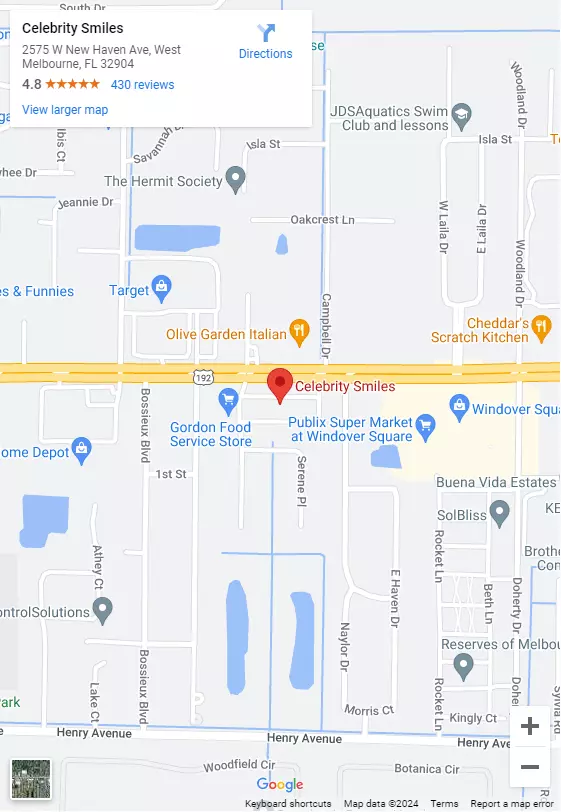
Celebrity Smiles is a privately owned practice in West Melbourne led by Dr. Anand Shah, DMD. The practice offers comprehensive dental services. You can review its dental care services and practice information before your visit. Final recommendations depend on an in-person exam and a personalized treatment plan.
Why can’t symptoms alone identify the cause?
Different dental problems can feel similar, and the same problem may feel different from one person to another. A brief sharp sensation, a steady ache, and discomfort when chewing are useful details to report, but none proves a particular diagnosis. Pain can also change over time. A symptom that fades, shifts, or returns still needs to be considered in context.
For that reason, be cautious with online advice that promises a home test will tell you whether a tooth needs a filling, root canal treatment, or removal. A dentist may need to consider the tooth, surrounding gums, your health history, and any relevant imaging before discussing a plan. If a procedure is suggested, ask what finding supports it and what alternatives may fit your situation. You can ask for an explanation in plain language or request time to consider the options when it is safe to do so.
The goal of temporary care is to help you cope while arranging a proper assessment, not to decide which treatment you need. If your symptoms are severe, worsening, or accompanied by warning signs, seek professional guidance promptly rather than trying to sort out the cause on your own.
What should you avoid doing for a toothache?
When pain interrupts sleep, it is tempting to try whatever is nearby. Some approaches can irritate the mouth, delay needed care, or make it harder to explain what happened. Keep any temporary step gentle, and stop if it increases discomfort.
- Do not place medicine directly on the tooth or gum. Use medicines only as directed on the label or by a qualified professional. Applying a tablet to the gum can irritate the tissue.
- Do not use leftover antibiotics. A prescription intended for another illness or person may be inappropriate. A dentist or medical clinician should decide whether medication is needed.
- Do not try to file, pull, or glue a tooth. Home repair attempts can injure the mouth or complicate evaluation. Covering a sharp edge with clean dental wax may be a temporary comfort measure if available, but it does not repair the tooth.
- Do not use extreme temperatures to test the tooth. Repeatedly applying ice or very hot liquid can aggravate discomfort and does not reveal the cause.
- Do not postpone care because a remedy helped briefly. A change in pain does not confirm that the underlying issue has resolved.
If you have a dental concern but are unsure which type of visit to request, describe your symptoms when contacting the office. The team can help explain scheduling options. Mention whether pain is worsening, whether there is swelling, and whether an injury occurred. A professional still needs to examine the area before recommending treatment.
How can you make the appointment more useful?
It can be difficult to remember details when you are tired or uncomfortable. Write down a short timeline before the visit if you can. Include when the pain first appeared, what has changed, and whether it affects sleep, eating, or daily activities. Bring a list of medicines and allergies, and share relevant health conditions. These details support a more complete conversation but do not replace the examination.
Think about your main questions in advance. You might ask what the exam found, whether imaging is recommended, what options are available, how urgent the next step is, and what signs should prompt another call. If you are worried about a treatment, say so. The dentist can explain why an option is being considered and whether other approaches may be appropriate. Do not feel you need to choose a treatment before you understand the findings and plan.
If you are calling outside office hours, follow any instructions provided by the practice. For severe or rapidly changing symptoms, seek appropriate urgent care instead of waiting for a routine callback. For non-emergency pain, request an appointment and give the office a clear summary. You can also review the practice’s new patient information before your first visit.
What if pain follows a bite, temperature, or a chipped tooth?
Notice what was happening when the pain began, but do not repeatedly test the tooth. If biting seems to trigger discomfort, avoid chewing on that side until you can get advice. Choose softer foods and do not bite hard items to see whether the feeling returns. Tell the dentist whether the discomfort started during a meal, after an impact, or without an obvious trigger.
If a piece of tooth breaks, save it if you can do so easily and bring it to the appointment. Do not scrape or reshape the remaining tooth. If an edge feels sharp, avoid touching it with your tongue and ask the dental office what temporary steps are appropriate. A chipped tooth may not cause the same symptoms in every person, so the appearance alone cannot tell you how it should be treated.
Some people notice pain with hot or cold foods. Avoid the temperature that seems to aggravate it for now and mention how long the feeling lasts after the food or drink is gone. Do not use extreme temperatures as a home test. If discomfort is severe, continues, or is accompanied by swelling or injury, contact a dentist promptly. Seek emergency medical care if you develop trouble breathing or swallowing or rapidly spreading swelling.
These details help guide the conversation, but they are not a substitute for an exam. A dentist can consider the symptom pattern alongside an evaluation and explain whether follow-up or treatment is recommended. If the pain is affecting sleep, say that when you request the appointment so the office understands how it is affecting you.
How do home care and professional care compare?
Home measures are temporary comfort steps. A dental evaluation is the way to assess the tooth and discuss options. This comparison can help set expectations while you arrange care.
| Option | What it can do | What it cannot do | When to consider it |
|---|---|---|---|
| Cool compress, gentle rinse, soft foods | May make the area feel more comfortable for a short time | Cannot identify or treat the underlying cause | While arranging professional advice, if these steps do not worsen symptoms |
| Over-the-counter medicine used as directed | May help manage discomfort for some people | May not be appropriate for everyone and does not fix a dental problem | Only after checking package directions and seeking pharmacist or clinician advice when unsure |
| Dental evaluation | Allows a dentist to assess symptoms and discuss next steps | Cannot be replaced by a symptom search or home remedy | For persistent, recurring, severe, or injury-related tooth pain |
| Emergency medical care | Addresses potentially serious symptoms such as difficulty breathing or swallowing | Is not a substitute for follow-up dental care when a tooth is also affected | Immediately for breathing or swallowing trouble or rapidly spreading swelling |
What details should you share when you call?
A brief, clear description can help the office understand your concern and provide guidance about scheduling. Before calling or requesting a visit, make a note of:
- When the pain began and whether it is constant, intermittent, or getting worse.
- Where you feel it and whether biting, eating, or temperature changes seem to affect it.
- Whether you see swelling, a chip, a crack, bleeding, or another change.
- Any fever, recent injury, trouble swallowing, or difficulty breathing.
- What you have tried, including medicines, and whether anything changed the discomfort.
- Your relevant health conditions, allergies, and current medicines.
Do not delay emergency care to collect these details if you have trouble breathing or swallowing or rapidly worsening swelling. For other concerns, call the office or use the contact and appointment page to ask about an evaluation. If the pain is severe or worsening, say so clearly.
Request an appointment to discuss your toothache
Frequently Asked Questions
Should I wait until morning if a tooth hurts at night?
Do not wait if you have trouble breathing or swallowing, rapidly spreading swelling, or feel seriously unwell; seek emergency medical care. Otherwise, contact a dentist as soon as available for severe, persistent, recurring, or injury-related pain. A dentist can advise you based on your symptoms.
Does tooth pain that stops mean the problem is gone?
Not necessarily. Symptoms can change, and temporary relief does not establish the cause or show that the tooth is healthy. If pain returns or was severe, arrange an evaluation and explain the pattern.
Can I put aspirin or alcohol on a sore tooth?
No. Do not place aspirin, alcohol, or concentrated oils directly on the tooth or gums. These can irritate or injure mouth tissues. Ask a dentist or pharmacist about safer ways to manage discomfort while arranging care.
What if I have tooth pain and facial swelling?
Contact a dentist promptly and describe the swelling. If it is spreading quickly or comes with trouble breathing or swallowing, seek emergency medical care now. An in-person assessment is needed to determine what is causing it and what care is appropriate.
Take the next step for nighttime tooth pain
Use temporary comfort measures only as a bridge to professional advice, and seek emergency help for breathing or swallowing difficulty or rapidly spreading swelling. If a toothache is persistent, severe, or keeps returning, request an evaluation so a dentist can assess your specific situation.