
For many adults, straightening the teeth is about more than creating a more even smile. Crowding, spacing, and bite concerns can affect daily comfort, confidence, and how easily you maintain your teeth. The right approach depends on your goals, bite, oral health, and how consistently you can follow the treatment plan.
Ready to straighten your smile? Request an appointment with the Celebrity Smiles Melbourne team to explore your options.
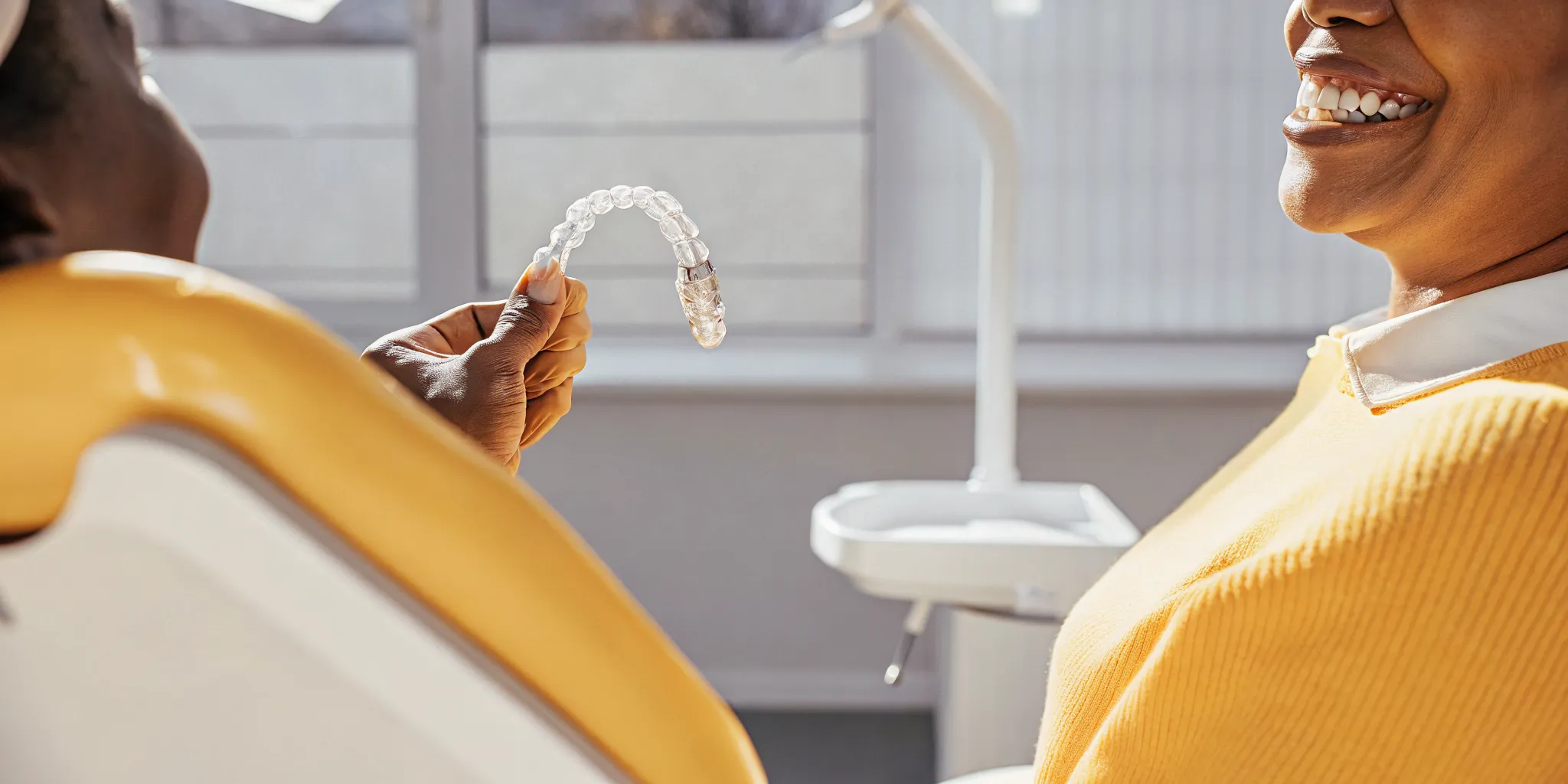
Teeth straightening melbourne fl options include clear aligners, traditional braces, and lingual braces. Clear aligners are discreet and removable, traditional braces provide fixed control for a broad range of movements, and lingual braces attach behind the teeth. An in-person exam is essential before deciding which option fits your needs.
Clear aligner therapy is popular with adults because of its aesthetic appeal, while braces remain a well-established way to address misalignment. Before comparing appearance, maintenance, timelines, and likely trade-offs, it helps to understand why alignment can influence oral health as well as your smile.
How Straight Teeth Support Your Overall Health
A straighter smile is not only about appearance. Tooth and jaw alignment can influence how comfortably and effectively your mouth functions each day. When the upper and lower teeth do not meet properly, the condition is called malocclusion. More significant misalignment may affect chewing, speaking, or breathing, and it can make daily oral hygiene more difficult.
Research summarized in the National Center for Biotechnology Information notes that malocclusion may increase the risk of gum disease and tooth decay. Crowded or overlapping teeth can create areas that are hard to clean, even when someone is committed to brushing and flossing. Alignment is only one part of oral health, but improving it may make a consistent home-care routine more manageable. Learn more about malocclusion and oral health.
Alignment can also affect how biting forces are distributed. Depending on the teeth and jaws involved, an uneven bite may contribute to difficulty bringing the teeth together comfortably or to challenges cleaning particular surfaces. These concerns should be assessed individually rather than assumed from appearance alone. A clinical examination helps identify whether the priority is tooth position, the bite, gum health, existing decay, or a combination of factors.
Misaligned teeth and jaws are commonly treated with removable or fixed braces. Clear aligners are a removable option for some patients, while traditional braces use brackets and wires to guide tooth movement. The appropriate approach depends on the complexity of the alignment, overall oral health, lifestyle, and the goals discussed during an exam. Neither the most discreet option nor the most familiar option is automatically right for everyone.
Some adults begin with a cosmetic concern and discover that their consultation should also address preventive care or bite function. That broader perspective is important: cosmetic dentistry can support smile-focused goals, while a teeth-straightening plan should account for the health and function of the entire mouth. At Celebrity Smiles Melbourne, final recommendations are made after an in-person evaluation and personalized treatment planning.
Clear Aligners: The Discreet Adult Favorite
For adults who want to improve the alignment of their teeth without drawing attention to treatment, clear aligners can be an appealing option. Research notes that aesthetics are a major reason adult patients choose clear aligner therapy, although appearance is only one part of the decision. Your bite, tooth movement needs, gum health, and ability to follow the wear schedule all matter. An in-person examination is necessary to determine whether aligners are appropriate for you.
How clear aligner treatment works
Clear aligners use a series of custom-made trays. Each tray applies gentle, planned pressure to guide the teeth toward a new position. In many treatment plans, you move to the next tray every one to two weeks. The exact sequence is designed around your teeth and bite, rather than a standard schedule that applies to everyone.
Most people are instructed to wear their aligners for about 20 to 22 hours each day. They are generally removed for meals, drinks other than water, and brushing. This flexibility makes it easier to maintain normal eating and oral hygiene routines, but it also means the treatment depends on daily consistency. If trays are left out too often, the planned sequence may no longer fit as intended, and your timeline may need to be reassessed.
You can learn more about the practice’s approach to clear aligners or review the process in the guide to Invisalign in Melbourne FL.
Benefits and practical considerations
- Discreet appearance: The trays are designed to be less noticeable than conventional brackets and wires, which can suit adults who feel self-conscious about visible orthodontic appliances.
- Removable design: Taking the trays out for eating and brushing can make everyday routines more convenient.
- Daily responsibility: Removability is also the main tradeoff. You must remember to replace the trays and keep them clean, even during busy workdays, travel, or social events.
- Regular monitoring: Your dentist needs to review progress and make adjustments when needed. Digital scans and other diagnostic tools may help with treatment planning, but they do not replace clinical evaluation.
A commonly quoted clear aligner timeline is approximately six to 18 months, but this is only a general range. Treatment may take more or less time depending on the movements required and how consistently the aligners are worn. Rather than choosing a method based on an advertised timeframe, discuss your goals and daily habits with Dr. Anand Shah, DMD so your recommendation can be individualized.
Traditional Braces: Still a Powerful Option
Traditional braces use fixed brackets bonded to the teeth and an archwire that is adjusted over time. The brackets hold the wire in a carefully planned position, while elastic bands or other components can help guide the bite. Because the appliance stays in place, it works continuously rather than relying on a patient to remember to wear it.
That fixed design remains valuable when treatment requires detailed control of tooth movement. A recent review found that fixed appliances may provide better rotation and torque control than clear aligners; the authors noted the available evidence is limited. The right choice still depends on the individual’s teeth, bite, gum health, and treatment goals. Read the review on fixed appliances and tooth movement.
Why fixed braces can help with complex movements
Some teeth need to turn within the bone, tip into a healthier position, or move with precise control of their roots. Brackets and wires give the dental team multiple ways to apply and adjust force as the teeth respond. This can make traditional braces a practical option when a case involves more than straightforward spacing or mild crowding. An in-person examination is necessary to determine whether that level of control is needed.
Modern braces are less noticeable than many adults expect
Today’s options are not limited to the large, highly visible brackets some adults remember from childhood. Smaller brackets, lighter wires, and tooth-colored materials can create a more subtle appearance, depending on the treatment plan. They still require careful brushing around the brackets and regular visits for adjustments, but many adults find that these routines fit well into normal work and social life.
Adults are not unusual candidates for orthodontic treatment. One local dental source reports that about one in three orthodontic patients is over 18. Choosing braces can therefore be a normal, effective step toward a healthier bite and more even smile, not a sign that treatment was missed or is somehow inappropriate later in life. During a consultation, Dr. Anand Shah, DMD can discuss the available approaches and explain what may suit your needs. No treatment should be started without an examination and personalized recommendation.
Lingual Braces: Hidden From View
Lingual braces use brackets and wires bonded to the tongue side of the teeth rather than the front surfaces. From a normal conversational distance, they are concealed, which makes them a niche option for adults who want fixed orthodontic treatment without visible braces or removable aligners.
Why adults consider lingual braces
The main benefit is discretion. Because the appliance sits behind the teeth, there is no line of brackets showing when you smile. Lingual treatment may appeal to professionals, performers, or anyone who prefers not to manage removable trays during the day. Unlike aligners, the appliance remains attached throughout treatment, so there is no need to remember to put trays back in after eating. A clinical review of lingual orthodontics discusses the technique’s distinct treatment implications compared with conventional braces, including the importance of appliance design and case planning: review the evidence on lingual orthodontics.
Tradeoffs to understand before choosing them
The inside of the teeth is close to the tongue, so the first adjustment period may include a temporary lisp, altered speech, or tongue irritation. Many patients adapt, but the experience varies. Cleaning can also require extra care because brackets and wires are harder to see and reach. Your dental team can demonstrate the brushes, flossing tools, and daily routine needed to keep the appliance and surrounding teeth clean.
Lingual braces are often more costly than conventional braces, and the total fee varies with the provider, appliance system, treatment complexity, and expected appointments. Not every orthodontic provider offers them, so availability may be more limited than with traditional braces or clear aligners. They also may not be the best fit for every bite or tooth movement.
If you are comparing teeth straightening melbourne fl options, an in-person examination is the safest starting point. Dr. Anand Shah, DMD can assess your bite, tooth position, gum health, and goals before discussing whether lingual braces, aligners, or another approach is appropriate. No option should be selected based on appearance alone.
What Teeth Straightening Costs in Melbourne FL
Cost depends on the type of movement needed, the appliance you choose, treatment length, and whether follow-up retainers or other services are included. The figures below are approximate national ranges, not Celebrity Smiles Melbourne pricing. Published cost guides commonly place adult aligners around $3,000 to $8,000 and traditional braces around $3,000 to $7,500. Lingual braces may cost more, often about $5,000 to $13,000. See this adult braces cost guide and this aligner and braces cost comparison for additional context.
| Option | Approx cost range | Visible? | Typical timeline | Best for |
|---|---|---|---|---|
| Clear aligners | $3,000-$8,000 | Low visibility | Often several months to 18 months, depending on the case | Adults who value a discreet, removable option and can follow wear instructions |
| Traditional braces | $3,000-$7,500 | Visible | Often 18-24 months, depending on the case | A broad range of alignment needs, including movements that require fixed appliances |
| Lingual braces | $5,000-$13,000 | Hidden behind the teeth | Varies by case and treatment plan | Patients seeking fixed treatment with minimal front-tooth visibility |
What is the cheapest way to straighten teeth?
There is no single cheapest option for every patient. A limited correction may cost less than comprehensive treatment. Choosing an appliance based only on its starting price can create unexpected costs if it cannot address the full problem. Ask what the quoted fee includes, such as examinations, adjustments, refinements, and retainers. You can also ask the practice about available payment options, without assuming that a particular plan or approval will apply.
Is $5,000 a lot for Invisalign?
$5,000 falls within the approximate national range often reported for clear aligner treatment, so it is not automatically unusually high or low. The value depends on the complexity of your alignment, the number of trays, monitoring, refinements, and retention included. Celebrity Smiles Melbourne provides an exact quote only after an in-person exam and individualized treatment plan. That visit is the right time to discuss your goals, expected scope, and total fee.
How to Choose the Right Straightening Option
Choosing an orthodontic approach is less about finding a universally best treatment and more about matching the option to your teeth, schedule, priorities, and budget. At Celebrity Smiles, Dr. Anand Shah, DMD uses an in-person clinical exam, supported when appropriate by digital intraoral scanning and CBCT 3D imaging, to help assess which choices may fit your needs.
-
Start with an in-person exam
A consultation is the essential first step. Your bite, tooth positions, gum health, jaw relationship, and treatment goals all affect the options worth considering. Clear aligners, traditional braces, and other approaches are not interchangeable for every patient. Dr. Shah can explain the findings and outline a personalized plan, but final recommendations always depend on an in-person exam.
-
Consider your lifestyle and daily compliance
Clear aligners are removable, which can make eating and brushing more convenient, but they generally need to be worn about 20 to 22 hours per day as directed. Forgetting to put them back in can interfere with the planned process. Braces remain attached to the teeth, so they do not depend on remembering to wear them. They require periodic adjustment appointments and extra care around brackets and wires. Think honestly about which routine you can maintain consistently.
-
Balance aesthetics with the type of tooth movement needed
Many adults prefer the discreet appearance of aligners, while others may consider tooth-colored or traditional fixed braces. Appearance is important, but it should be considered alongside the movement your teeth and bite require. For some complex movements, fixed braces may offer more predictable control than removable aligners. Your exam can clarify whether an aesthetic preference is compatible with the clinical goals.
-
Compare the expected timeline and total cost
Ask what factors could affect the length of treatment, including the complexity of movement, appointment schedule, and your ability to follow instructions. Compare the full cost rather than focusing only on an advertised starting figure. The most suitable option is the one that balances clinical needs with a realistic commitment of time and money. For a broader comparison, review this guide to clear aligners vs braces for adults.
-
Talk through payment options with the practice
Once you understand the recommended treatment, ask the practice to explain available payment arrangements, deposits, and expected out-of-pocket costs. Bring your questions about insurance or financing before committing. Eligibility, coverage, and approval are not guaranteed, so request current details directly from the practice and make a decision that fits your circumstances.
Ready to explore your teeth straightening options? Schedule a consultation with the Celebrity Smiles Melbourne team today.
Frequently Asked Questions
Is there an age limit for adult teeth straightening?
There is no general upper age limit for discussing treatment. Suitability depends on your gums, bone support, existing dental work, bite, and overall oral health. An in-person examination can determine which options are appropriate and whether any dental concerns should be addressed first.
Which option is fastest, clear aligners or braces?
Neither option is automatically fastest for every adult. Treatment time depends on the amount and direction of tooth movement, your bite, appointment schedule, and how consistently aligners are worn. Fixed appliances can offer stronger control for some rotations and torque movements, although the available evidence is limited. Research review
Are clear aligners as effective as traditional braces?
Clear aligners can be effective for many planned movements, while fixed appliances may provide better control for particular complex movements. The right comparison is based on your examination and treatment goals, not appearance alone. Clear aligners are also popular with adults because of their aesthetic appeal. Clinical review
Will teeth straightening hurt?
Most options can cause temporary pressure, tenderness, or irritation as your teeth and tissues adjust. The experience varies by treatment type and the stage of movement. Your dental team can explain expected sensations and practical comfort measures during your consultation.
How much does adult teeth straightening cost in Melbourne FL?
The cost varies with the option selected, treatment complexity, expected duration, retainers, and any preliminary dental care. A published online estimate cannot replace an individualized quote. Ask for a written treatment plan after your examination, including what is and is not included.
Ready to Explore Your Teeth Straightening Options?
The right approach depends on your smile, bite, preferences, and findings from an in-person examination. A consultation can help you compare clear aligners, traditional braces, and lingual braces with a treatment plan suited to your goals. Request an appointment or contact the Celebrity Smiles Melbourne team to discuss your options.