Putting off a dental visit because you feel tense, embarrassed, or worried about discomfort can make an already difficult decision feel even heavier. You are not alone: a systematic review of 31 studies estimated that 15.3% of adults worldwide experience dental fear or anxiety (PubMed).
Request a consultation with a dental team that listens before recommending treatment.
Sedation dentistry melbourne fl can help eligible adults feel more at ease during dental care, with options that include inhaled nitrous oxide, prescribed oral medication, and IV sedation. The right approach depends on your health, anxiety level, procedure, and an in-person assessment with Dr. Anand Shah, DMD.
Each option offers a different balance of timing, depth, communication, and recovery. Understanding those differences can help you ask informed questions and choose a comfort plan that respects your needs.
What Sedation Dentistry Options Are Available in Melbourne FL?
Sedation dentistry uses medication to help manage stress, anxiety, or discomfort during dental care. If you feel nervous about visiting the dentist, you are not difficult or alone. Dental anxiety is a real concern, and discussing it openly gives your dental team a better opportunity to plan a supportive visit.
The three common sedation dentistry options are nitrous oxide, oral conscious sedation, and intravenous, or IV, sedation. Each works differently, and the most appropriate choice depends on your medical history, anxiety level, and the procedure planned. Your dentist will review these factors with you during an in-person exam rather than selecting an option based on anxiety alone.
Nitrous oxide for mild to moderate dental anxiety
Nitrous oxide is inhaled through a small mask placed over the nose. Mixed with oxygen, it provides a calming effect and may also offer some analgesic benefit. Many patients begin to feel more relaxed within about three to five minutes. You remain awake and able to communicate with the dental team while the medication is administered. This option may be considered when you want help relaxing but prefer an inhaled approach.
Oral conscious sedation before treatment
Oral conscious sedation involves a prescription medication taken before the appointment, often about one hour before the procedure. Oral sedation commonly uses medications in the benzodiazepine family, such as diazepam, to help an anxious patient relax. Because the medication can affect alertness and coordination, your dentist will provide specific instructions about preparation, transportation, and post-appointment activities. Never take a sedative unless it has been prescribed or approved for your care.
IV sedation for a deeper level of relaxation
IV sedation delivers medication through a vein and has a rapid onset. Midazolam is commonly used, with effects that may last approximately one to two hours and may include anterograde amnesia, meaning you may not remember parts of the appointment. This can be useful for selected patients or longer procedures, but it requires careful planning and monitoring.
These options are not interchangeable, and sedation does not replace local anesthesia when treatment requires pain control. A dentist will consider your health history, current medications, comfort goals, and planned care before recommending an approach. For a medically reviewed overview of these methods, see the NCBI StatPearls discussion of dental sedation. The goal is a personalized plan that respects your concerns and supports safe, informed care.
Nitrous Oxide, Oral Sedation, or IV Sedation: How to Choose
These options differ mainly in how the medication is delivered, how quickly relaxation begins, and how much support you may need during recovery. The goal is not to choose the strongest option. It is to match the approach to your anxiety, medical history, and planned treatment.
Nitrous oxide
Nitrous oxide is inhaled through a small mask and combined with oxygen. It is colorless and odorless, with an anxiolytic effect that can help you feel calmer. Many patients begin to feel relaxed within three to five minutes. Because it is inhaled during the appointment, it may suit patients who want a lighter, adjustable form of relaxation while remaining able to communicate.
Oral conscious sedation
Oral sedation uses a prescribed medication, commonly a benzodiazepine such as diazepam, taken before treatment. Cleveland Clinic notes that patients generally begin to feel more at ease within about an hour. This option may be appropriate when simply arriving at the dental office creates significant anxiety, or when a longer procedure requires a deeper level of relaxation. The timing and dose must be prescribed for your circumstances.
IV sedation
IV sedation delivers medication through a vein and has a rapid onset. Midazolam is commonly used, with a typical duration of one to two hours and possible anterograde amnesia. It may be considered for substantial anxiety or complex treatment, but it requires careful planning and monitoring. Sedation does not replace local anesthetic, which is still used to control pain during dental treatment.
| Option | How it is given | Onset | Depth of relaxation | Recovery | Who it suits best |
|---|---|---|---|---|---|
| Nitrous oxide | Inhaled through a mask with oxygen | About 3 to 5 minutes | Lighter relaxation; communication is generally maintained | Discuss expected recovery and driving instructions at the visit | Patients seeking a lighter approach for situational anxiety |
| Oral sedation | Prescription medication taken before treatment | About 1 hour | More pronounced relaxation than nitrous oxide may be appropriate | Follow the dentist’s individualized post-treatment instructions | Patients with significant anticipatory anxiety or longer procedures |
| IV sedation | Medication delivered through a vein | Rapid | Deeper conscious relaxation may be appropriate | Typical medication duration is 1 to 2 hours; follow individualized instructions | Selected patients with substantial anxiety or complex treatment |
There is no universal best choice. During an in-person exam, Dr. Anand Shah, DMD will consider your health history, current medications, anxiety level, and planned procedure. Appropriate monitoring is essential, and pregnancy, allergies, or drug interactions can make conscious sedation unsuitable. Learn more about sedation dentistry options before discussing a personalized plan.
Dental Anxiety Is More Common Than You Think
If dental appointments make you tense, embarrassed, or tempted to postpone care, you are not alone. A systematic review and meta-analysis of 31 studies involving 72,577 adults estimated that dental fear and anxiety affect 15.3% of adults worldwide. The same review found that dental fear and anxiety can reduce dental care use and adversely affect oral health (PubMed systematic review).
Fear can create a difficult cycle. You may delay an examination because you are worried about discomfort, needles, sounds, or feeling out of control. Without an evaluation, a small concern may remain unaddressed while you continue adapting around it. Later, the visit may feel more urgent or involve more involved care, which can reinforce the original fear. This is not a personal failure. Avoiding care is a common response to anxiety, and recognizing the pattern is a useful first step.
A compassionate dental team should listen before recommending treatment. You can explain what has been difficult in the past, ask questions, and discuss ways to make the appointment feel more manageable. Options may include breaking care into smaller visits, agreeing on a pause signal, explaining each step before it happens, or considering sedation when it is clinically appropriate. Sedation does not replace an examination or automatically suit every patient. Dr. Anand Shah, DMD, must assess your health history, concerns, and planned treatment in person before creating a personalized plan.
If you are unsure what to look for in a practice, read this guide to choosing the right dentist in Melbourne FL. Patients arranging care for several family members can also explore compassionate family dental care in West Melbourne. The goal is not to judge how you feel. It is to find a respectful path back to the care your oral health needs.
How Safe Is Sedation Dentistry?
For many patients, sedation can make dental care feel more manageable, but safety begins with choosing the right approach for the individual. Conscious sedation is designed to lower awareness and anxiety while preserving breathing and protective reflexes. That is different from general anesthesia, where consciousness and protective reflexes are more deeply affected. The goal is a controlled level of relaxation, not an assumption that every patient needs the same medication or depth of sedation.
It is also important to understand that sedation does not replace pain control. Sedation may reduce anxiety and provide some analgesic benefit, but local anesthetic is still used to control pain during dental treatment. This distinction helps patients know what to expect and gives the dental team more than one way to support comfort during a procedure. These safety principles are discussed in the NCBI StatPearls review of dental sedation.
Screening comes before sedation
Before recommending medication, the dentist reviews your medical history, current medications, allergies, and the planned procedure. Pregnancy, medication allergies, and potentially harmful drug interactions are listed as absolute contraindications to conscious sedation in the StatPearls reference. Other health factors may also affect which option is appropriate, how much medication is used, or whether sedation should be postponed.
That is why an online description cannot determine whether sedation is right for you. Suitability is always decided through an in-person exam and a personalized review with the dental team. Be prepared to discuss prescription drugs, over-the-counter medicines, supplements, allergies, pregnancy or possible pregnancy, and relevant medical conditions. Accurate information supports safer planning.
Monitoring is part of the safety plan
Safe sedation requires trained providers, appropriate preparation, and ongoing observation throughout care. Monitoring vital signs and the patient’s response helps the team recognize changes early and adjust the plan when needed. The level of monitoring depends on the sedation method and the patient’s circumstances, but it should never be treated as an optional extra.
If you are considering sedation dentistry in Melbourne, FL, ask how your health history will be reviewed. What monitoring will be used, and what instructions apply before and after the appointment. A careful conversation allows you to raise concerns without judgment and helps the provider recommend the safest reasonable option for your needs.
What to Expect with Sedation Dentistry in Melbourne FL
A sedation appointment is planned around your health, comfort, and the dental care you need. Sedation may be considered for dental anxiety or complex or prolonged procedures, but the appropriate approach is not selected from a menu. Dr. Anand Shah, DMD reviews your circumstances in person and explains what to expect before recommending a treatment plan.
-
Begin with a consultation and in-person exam
Your first step is a conversation about your concerns, previous dental experiences, current medications, medical history, and the procedure being considered. Dr. Shah also discusses your anxiety level and any relevant health conditions. Together, these details help determine whether sedation is appropriate and which method best fits the planned care. Conscious sedation is commonly considered for dental anxiety and complex or prolonged procedures, according to clinical guidance from the National Center for Biotechnology Information. The exam is essential because a personalized recommendation cannot be made safely from symptoms or an online questionnaire alone.
-
Review your pre-appointment instructions
Before treatment, the practice gives you instructions specific to the medication and procedure selected. These may include whether you should avoid food or drink for a period of time. Which regular medications to take or discuss, and whether a responsible adult must drive you home. Follow the instructions carefully, and tell the team if your health, medications, or symptoms change before the appointment. Do not arrange your own sedation plan or take medication that was not prescribed for this visit.
-
Receive treatment with appropriate monitoring
At the appointment, the team confirms the plan and provides the selected form of sedation as directed. Sedation is intended to help manage stress and anxiety, while local anesthetic may still be used to control sensation during dental treatment. Your dental team monitors you throughout the visit, including relevant vital signs, to support safe care. You remain part of the process, and the team can communicate with you and respond to your needs during treatment.
-
Allow time for recovery and follow-up
After treatment, you will have time to recover while the team reviews how you are feeling and repeats any aftercare instructions. Depending on the method used, you may need your driver to take you home and should plan for a period of rest. Ask when you can resume normal activities, eating, drinking, or medications. Contact the practice if you have questions after the visit. To discuss a personalized plan, request an appointment at Celebrity Smiles with Dr. Anand Shah, DMD.
Schedule your sedation consultation and plan a calm, comfortable visit.
Frequently Asked Questions
Are you completely asleep during sedation dentistry?
Usually, no. With conscious sedation, you remain awake and able to respond to questions while the medication helps reduce anxiety. Conscious sedation is different from general anesthesia because breathing and protective reflexes are preserved. Local anesthetic is still used when needed to control treatment-related pain. Learn more about conscious sedation.
Is sedation dentistry safe?
Sedation can be appropriate when a trained dental professional selects the method, reviews your health history, and monitors you during care. Pregnancy, medication allergies, and certain drug interactions may make conscious sedation unsuitable. Your dentist should complete an in-person evaluation before recommending a plan.
Who may benefit from sedation dentistry?
Adults with dental anxiety, fear of needles, a sensitive gag reflex, or a complex or lengthy procedure may benefit from discussing sedation. It is not a one-size-fits-all service. Dr. Anand Shah, DMD considers your medical history, anxiety level, and planned treatment before recommending an option.
How long does dental sedation take to wear off?
Recovery depends on the medication and the type of sedation used. Nitrous oxide is inhaled and has a short-acting effect, while IV sedation commonly uses midazolam, which has a reported duration of about one to two hours. Follow the practice’s instructions, and arrange transportation if your chosen method may affect alertness. Review the clinical overview.
Can I eat before a sedation dentistry appointment?
Do not assume the same instructions apply to every method. Eating and drinking guidance depends on the sedation plan, your procedure, and your health history. During your consultation, ask exactly when to stop eating or drinking, which medications to take, and whether an adult must accompany you home.
Schedule Your Sedation Dentistry Consultation
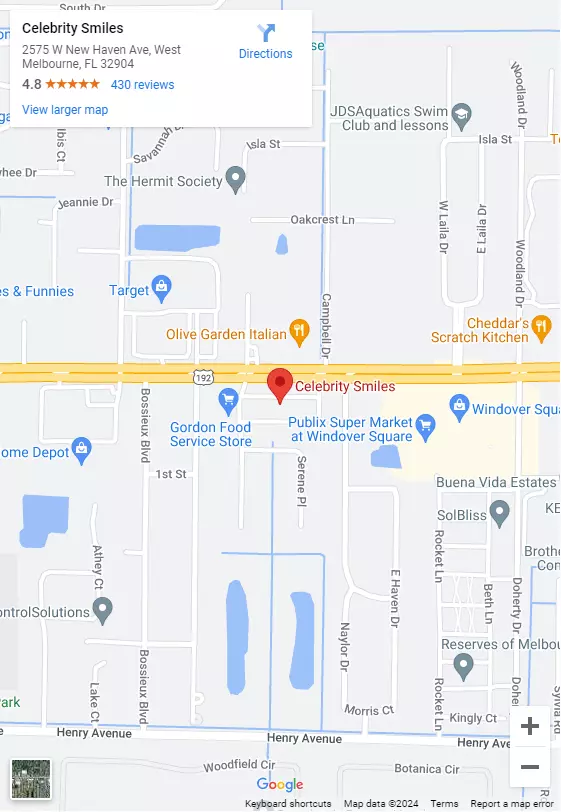
If dental anxiety has kept you from getting the care you need. A conversation with our team can help you understand your options and plan a visit around your comfort and needs. The right approach depends on an in-person exam and personalized recommendations. Request an appointment with Celebrity Smiles, or call 321-914-0929 to speak with our team.