Persistent snoring, dry mouth, morning headaches, or unusual daytime sleepiness may be more than a nuisance. They can signal obstructive sleep apnea, a condition in which throat muscles relax during sleep and repeatedly narrow or close the airway.
For some adults, sleep apnea treatment melbourne fl may include a custom oral appliance that gently positions the jaw forward to help keep the airway open. It can offer a quiet, portable alternative to CPAP, but suitability depends on your diagnosis, sleep-apnea severity, and an in-person evaluation.
Dental sleep medicine does not replace proper diagnosis or coordinated medical care. A sleep study and consultation help determine whether oral appliance therapy is appropriate, how the appliance is fitted, and what follow-up may be needed. Understanding why untreated sleep apnea matters is the first step toward making an informed decision about care.
Request an appointment at Celebrity Smiles Melbourne
What Is Sleep Apnea and Why Should You Take It Seriously?
Obstructive sleep apnea is a sleep-related breathing disorder that can interrupt normal airflow repeatedly during the night. It occurs when the muscles in the back of the throat relax as you sleep, allowing the airway to narrow or close when you breathe in. Your body may then briefly wake or partially wake to restore breathing, even if you do not remember those interruptions in the morning. The Mayo Clinic explains how this airway obstruction develops.
Common signs can happen while you sleep
Many people do not recognize their own nighttime symptoms because they are asleep when they occur. A bed partner may notice loud, persistent snoring or episodes when breathing appears to stop. Other clues include waking with a dry mouth or sore throat, gasping during sleep, or feeling that sleep was restless and unrefreshing. These signs do not prove that someone has sleep apnea, but they are appropriate reasons to discuss an evaluation with a healthcare professional.
Daytime sleepiness is another important symptom. Repeated breathing disruptions can interfere with restorative sleep, leaving someone unusually tired even after spending a full night in bed. Difficulty staying focused, reduced alertness, and lower daytime productivity may also affect work, driving, and relationships. Because tiredness has many possible causes, it should be evaluated rather than used to self-diagnose sleep apnea.
Why untreated breathing interruptions deserve attention
Sleep apnea is more than a snoring concern. When it is not evaluated and managed, it may increase the risk of high blood pressure, heart problems, and type 2 diabetes. Untreated obstructive sleep apnea has also been linked with cardiovascular disease and other metabolic conditions. These associations do not mean that every person with snoring will develop a complication, but they explain why persistent symptoms should not be dismissed. Mayo Clinic provides an overview of the health concerns associated with sleep apnea.
How clinicians measure severity
Sleep professionals commonly use the Apnea-Hypopnea Index, or AHI, to describe the severity of obstructive sleep apnea. The AHI represents the number of apnea and hypopnea events, meaning pauses or reductions in breathing, recorded for each hour of sleep. It is one part of a broader assessment and should be interpreted alongside symptoms, oxygen levels, medical history, and sleep-study findings. A number on its own is not a diagnosis or a complete treatment recommendation.
If you or a partner notices these symptoms, schedule an evaluation instead of trying to determine the cause at home. Diagnosis typically involves a healthcare professional and may include an overnight study at a sleep center or a home sleep test. Once the results are available, the appropriate approach can be discussed with your medical and dental care providers. An in-person evaluation is essential before deciding whether sleep apnea treatment in Melbourne, FL, is appropriate for you.
How Oral Appliance Therapy Works in Dental Sleep Medicine
Dental sleep medicine is a specialized area of dentistry focused on sleep-related breathing disorders, including obstructive sleep apnea. Rather than treating the teeth alone, it considers how the jaw, tongue, and surrounding tissues affect airflow while you sleep. Oral appliance therapy uses a carefully designed device to help maintain a more open airway throughout the night.
How the appliance supports your airway
A mandibular advancement appliance is worn during sleep. It gently positions the lower jaw forward, which also helps bring the tongue forward. This can reduce the tendency for the tongue and other soft tissues to move backward and obstruct the airway. The goal is to support airflow while you breathe, not to force the jaw into an uncomfortable position. Research describes oral appliances as working by repositioning the jaw and tongue forward to help prevent airway obstruction during sleep (PubMed).
The appliance is not a generic snore guard. Over-the-counter devices may not fit your teeth securely, may not position the jaw appropriately, and cannot be adjusted with the precision required for individualized care. Clinical guidelines suggest using a custom, titratable appliance rather than a non-custom oral device when oral appliance therapy is prescribed for an adult with obstructive sleep apnea (AASM and AADSM clinical practice guideline).
Why custom design and gradual adjustment matter
A custom appliance begins with impressions or digital scans of your teeth and oral structures. These records allow the device to be made for your mouth, which can support a more secure and comfortable fit. A titratable design can then be adjusted in measured steps. Your dentist may refine the jaw position based on comfort, symptoms, clinical findings, and the results of follow-up evaluation.
This process is important because sleep apnea and airway anatomy vary from person to person. The most suitable jaw position is not something that can be selected safely from a one-size-fits-all product. An in-person examination is needed to assess your dental health, jaw function, and treatment needs before a recommendation is made.
Care that works alongside sleep medicine
Dental sleep medicine is not a substitute for proper diagnosis. A healthcare professional may recommend an overnight sleep study at a sleep center or home testing to determine whether obstructive sleep apnea is present. The results help the care team understand the condition and choose an appropriate treatment approach.
The AASM and AADSM guideline reflects collaboration between sleep physicians and qualified dentists. A sleep physician may establish the diagnosis and coordinate medical care, while a dentist with relevant training designs, fits, and adjusts the oral appliance. Follow-up is part of responsible care, and additional assessment or sleep testing may be recommended to evaluate whether the appliance is addressing the breathing disorder. If you are considering sleep apnea treatment in Melbourne, FL, discuss your symptoms with a healthcare professional and arrange an evaluation before choosing a device.
Oral Appliance Therapy vs. CPAP: Which Fits Your Life?
CPAP and oral appliance therapy are both established options for obstructive sleep apnea. Neither is automatically the right choice for every person. The most appropriate plan depends on your diagnosis, the severity of your breathing disorder, your health history, and what you can use consistently. A sleep physician and qualified dental sleep medicine provider can help coordinate that decision.
CPAP delivers pressurized air through a machine and mask to help keep the airway open during sleep. It can be highly effective when prescribed and used as directed. However, some people find the mask, tubing, machine noise, or need for electricity difficult to manage. Comfort and routine matter because a treatment that is not used regularly cannot provide its intended benefit.
| Consideration | CPAP | Oral appliance therapy |
|---|---|---|
| What you use | A machine, mask, tubing, and related equipment | A small, custom-fitted device worn in the mouth |
| Portability | Requires the machine and access to electricity | Small and portable, which can simplify travel for many patients |
| Sound and feel | Some users find the mask or machine bulky or noisy | Quiet and worn without a mask; comfort varies by person |
| Fit and adjustment | Mask fit and air pressure may need ongoing attention | Custom-fitted and adjustable by a qualified dentist |
| Adherence considerations | Mask discomfort and equipment demands can make consistent use challenging for some people | Many patients find it more comfortable and easier to tolerate, which may support regular use |
When an oral appliance may be worth discussing
Oral appliance therapy is often considered for adults who cannot tolerate CPAP or have difficulty using it consistently. The American Academy of Sleep Medicine and American Academy of Dental Sleep Medicine guideline recommends that sleep physicians consider prescription oral appliances rather than no treatment. This applies to adults with obstructive sleep apnea who are intolerant of CPAP. Read the clinical practice guideline.
Unlike an over-the-counter mouthpiece, a treatment appliance should be selected and adjusted for the individual. A custom, titratable device allows a qualified dentist to make controlled changes as part of coordinated care. Its small size, quiet design, and portability may suit people whose work, travel, or nightly routine makes CPAP equipment difficult to manage. That does not mean it is suitable for everyone, or that it will feel the same for every patient.
Choosing treatment safely
Untreated obstructive sleep apnea may be linked with increased risk of cardiovascular disease and other metabolic conditions, so avoiding treatment altogether is not a safe default. The goal is to identify a plan you can use consistently and monitor appropriately. Final recommendations require an evaluation, and follow-up may include adjustment and repeat sleep testing to confirm that the appliance is addressing the breathing disorder.
If CPAP has been difficult to tolerate. Discuss your experience with your sleep physician and ask whether a custom oral appliance could be part of your sleep apnea treatment in Melbourne FL. A personalized consultation can clarify the available options without assuming that one approach is best for every patient.
Who Is a Candidate for Oral Appliance Therapy?
Oral appliance therapy may be considered for adults with mild-to-moderate obstructive sleep apnea. Particularly when CPAP has been difficult to tolerate or when a patient is not willing to use it. It can also be part of a broader treatment plan when a sleep physician and qualified dentist determine that an oral appliance fits the patient’s needs.
Suitability is never based on symptoms alone. Obstructive sleep apnea must first be evaluated and diagnosed by a qualified healthcare professional. Testing may include an overnight study at a sleep center or a home sleep study, depending on the clinical situation. A dentist cannot diagnose sleep apnea independently. Instead, dental sleep medicine works in coordination with a sleep physician after the diagnosis and treatment needs have been established. Learn more about sleep apnea diagnosis and sleep studies.
Mild-to-moderate obstructive sleep apnea
The severity of sleep apnea is commonly assessed using the Apnea-Hypopnea Index, or AHI, which measures breathing events per hour of sleep. A lower AHI does not automatically make an oral appliance appropriate, but it gives the care team important information when comparing treatment options. The appliance, its advancement settings, and follow-up plan should be based on the diagnosis and the individual’s response to care.
People who cannot tolerate CPAP
Some adults struggle with CPAP because of the mask, pressure sensation, noise, travel demands, or other practical concerns. Clinical guidelines recommend that sleep physicians consider prescription oral appliances rather than no treatment. This applies to adults with obstructive sleep apnea who are intolerant of CPAP. Oral appliance therapy may be more comfortable or portable for some patients, but it is not automatically a replacement for CPAP in every case. The most appropriate option depends on severity, medical needs, and personal preferences.
Why a custom appliance matters
When oral appliance therapy is selected, a custom, titratable device fitted and adjusted by a qualified dentist is preferred over an over-the-counter or non-custom device. A custom appliance is designed from impressions or digital scans of the teeth and oral cavity, then adjusted as needed. This approach allows the dental team to focus on fit, comfort, jaw position, and the prescribed treatment goals rather than relying on a one-size-fits-all product. Review the clinical practice guideline for oral appliance therapy.
Risk factors such as older age, being overweight. Or having a family history of sleep disorders may make evaluation especially important, but they do not determine candidacy by themselves. If you snore loudly, wake up gasping, or remain unusually sleepy during the day, discuss those concerns with a healthcare professional. Final suitability for sleep apnea treatment in Melbourne FL requires an in-person evaluation, appropriate sleep testing, and a personalized discussion of your treatment preferences.
What to Expect From Sleep Apnea Treatment in Melbourne FL
Beginning care for suspected sleep apnea is a step-by-step process. The goal is not to guess at the cause of disrupted sleep or select a device without proper evaluation. Your care team first confirms what is happening, then develops and monitors a treatment plan suited to your oral health and sleep needs.
-
Discuss symptoms and complete the appropriate evaluation
Your first visit is an opportunity to discuss concerns such as loud snoring, waking with a dry mouth, witnessed pauses in breathing, morning fatigue, or persistent daytime sleepiness. A dentist can evaluate your teeth, gums, jaw, bite, and other oral factors that may affect oral appliance therapy. However, a dentist does not typically diagnose obstructive sleep apnea by the dental exam alone. Diagnosis generally involves a healthcare professional and a sleep study, which may be performed overnight at a sleep center or at home. Polysomnography can monitor breathing patterns, blood oxygen levels, heart rate, and brain activity during sleep.
If you already have a sleep study or diagnosis, bring those records to your consultation. The results help the medical and dental providers understand the condition and coordinate appropriate care. Early evaluation can clarify severity and support earlier treatment planning, rather than allowing symptoms to continue without an explanation.
-
Complete a dental exam and records appointment
Once oral appliance therapy is being considered, the dentist assesses your oral health and reviews whether your teeth, gums, jaw joints, and bite can support the appliance. The device is custom-made from impressions or digital scans of the teeth and oral cavity. These records help create a secure, comfortable fit instead of relying on a generic over-the-counter device.
Guidelines from the American Academy of Sleep Medicine and American Academy of Dental Sleep Medicine favor a custom. Titratable appliance prescribed and managed with appropriate medical and dental coordination. The final recommendation depends on your sleep evaluation, oral examination, symptoms, and individual treatment needs.
-
Receive the appliance and begin with an initial adjustment
At the fitting visit, a qualified dentist checks how the appliance sits and explains how to insert, remove, clean, and store it. Oral appliances are designed to reposition the jaw or related oral structures in a way that helps maintain an open airway during sleep. A titratable design allows the dentist to make controlled adjustments rather than treating the first setting as final.
Some patients need time to become accustomed to wearing an appliance. Follow the instructions provided by your dental team and report discomfort, bite changes, jaw soreness, or difficulty using the device. Do not adjust the appliance independently unless you have been instructed to do so.
-
Attend follow-up visits and verify effectiveness
Follow-up is an essential part of sleep apnea treatment in Melbourne FL. Your dentist assesses comfort, fit, oral health, jaw symptoms, and how consistently you are using the appliance. Adjustments may be made gradually based on your response and the treatment plan.
Because feeling better does not by itself confirm that breathing events are controlled, follow-up sleep testing may be recommended. The clinical guideline recommends repeat testing to verify that the appliance is effectively treating obstructive sleep apnea. Results can guide additional adjustments or coordination with your physician. In some cases, oral appliance therapy may be combined with another treatment based on the severity of the condition and your specific needs.
At Celebrity Smiles Melbourne, an in-person consultation with Dr. Anand Shah, DMD can help determine the appropriate next step. Oral appliance therapy is not suitable for everyone, and no dental visit replaces medical diagnosis or a sleep study when one is needed.
Finding a Trusted Sleep Apnea Dentist in Melbourne FL
Choosing dental sleep care is about more than finding an appliance. You want a practice that listens carefully, explains your options in plain language, and coordinates recommendations with the information available about your sleep health. Look for a dentist who provides custom oral appliance therapy rather than relying on a one-size-fits-all device. And who understands that treatment should be tailored to your symptoms, diagnosis, and everyday needs.
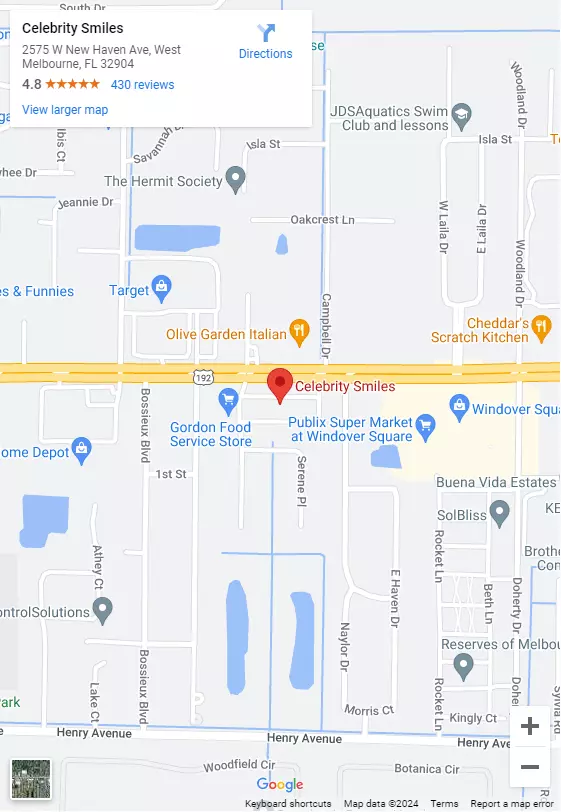
Celebrity Smiles Melbourne is a privately owned practice in West Melbourne, Florida, led by Dr. Anand Shah, DMD. Dr. Shah brings more than 13 years of clinical experience to a relationship-focused setting, and the practice has earned 500+ five-star Google reviews. These trust signals matter, but so does the way care is delivered. A thoughtful consultation should give you time to discuss snoring, disrupted sleep, morning headaches. Daytime tiredness, or concerns about using CPAP without assuming that every symptom has the same cause.
Personalized dental sleep medicine
Celebrity Smiles Melbourne offers dental sleep medicine and custom oral appliance therapy for appropriate patients with obstructive sleep apnea. An oral appliance is made for your mouth and adjusted as needed, rather than selected as an over-the-counter product. Planning may incorporate digital intraoral scanning and CBCT 3D imaging when clinically appropriate. These technologies can support a more detailed understanding of your oral structures and help the team plan care with comfort and fit in mind.
Patients looking for a sleep apnea dentist in Melbourne may appreciate having this service available alongside comprehensive dental care. A privately owned office can also provide continuity, so questions about your oral health, appliance. And follow-up are handled within an established care relationship instead of a disconnected retail experience.
Questions to ask before starting care
Ask whether your diagnosis has been confirmed through an appropriate sleep evaluation. How the dentist will coordinate with your physician or sleep specialist, what follow-up is included, and how progress will be assessed. Oral appliance therapy may be appropriate for some people, but it is not automatically suitable for every patient or every level of sleep apnea. The final recommendation requires an in-person exam and consultation, along with consideration of your sleep study and broader health history.
If you are ready to discuss your concerns, you can request an appointment with Celebrity Smiles Melbourne. The team can review your situation, answer questions, and explain potential next steps without promising a treatment outcome before you have been properly evaluated.
Request your sleep apnea consultation at Celebrity Smiles Melbourne
Frequently Asked Questions
What is the best sleep apnea treatment in Melbourne, FL?
The best option depends on your diagnosis, severity, health history, and ability to use each treatment consistently. CPAP remains an important treatment for many people, while a custom oral appliance may be considered when CPAP is difficult to tolerate. A sleep physician and qualified dentist can help coordinate an appropriate plan after evaluation.
Can a dentist treat sleep apnea?
A dentist with training in dental sleep medicine can provide a custom oral appliance for appropriately diagnosed obstructive sleep apnea. Diagnosis generally requires evaluation by a healthcare professional and may include an overnight sleep study at a sleep center or a home sleep test. Mayo Clinic explains sleep apnea diagnosis and testing.
How does oral appliance therapy for sleep apnea work?
A custom, adjustable appliance is worn during sleep to gently reposition the jaw and tongue forward, helping reduce airway obstruction. The device is adjusted over time based on your comfort, symptoms, and clinical follow-up. Oral appliances should be professionally prescribed rather than selected as an over-the-counter substitute. Research on mandibular advancement devices describes this airway-opening mechanism.
Who is a candidate for dental sleep medicine?
Oral appliance therapy may be appropriate for some adults with obstructive sleep apnea, particularly those who cannot tolerate CPAP or prefer a portable alternative. It is not suitable for everyone, and treatment should be tailored to the severity of the condition. An in-person consultation and review of sleep-study results are needed before a recommendation can be made.
What are the benefits of oral appliances over CPAP?
For some patients, an oral appliance is quieter, easier to travel with, and more comfortable to wear than CPAP. Those practical advantages may make consistent use easier, but an appliance is not automatically better for every patient. Your sleep physician and dentist should weigh treatment effectiveness, diagnosis, comfort, and follow-up needs together.
Ready to Take the Next Step Toward Better Sleep?
If oral appliance therapy sounds like a possible fit, the next step is a personalized evaluation rather than a one-size-fits-all decision. Celebrity Smiles Melbourne specializes in dental sleep medicine and can discuss your sleep concerns. Review any existing sleep study information, and determine whether a custom oral appliance consultation is appropriate. Dr. Anand Shah, DMD will take the time to answer your questions and explain what care may involve. Final recommendations depend on an in-person examination and your individual needs. When you are ready, request an appointment to begin your sleep apnea evaluation and discuss your options in a reassuring, professional setting.