A damaged, severely decayed, or infected tooth can make everyday activities feel difficult, especially when you are unsure what treatment comes next. Extraction is sometimes recommended when a tooth cannot be predictably maintained or could threaten nearby oral health, but removal is not automatic. An in-person examination helps determine whether saving the tooth remains realistic and what approach best fits your needs.
Tooth extraction melbourne fl involves carefully removing a tooth that cannot be maintained or poses a health risk. A simple extraction generally removes a visible tooth, while a surgical extraction may require additional access for an impacted or difficult-to-reach tooth. Your dentist will review the tooth, surrounding structures, medical history, and treatment options before recommending a personalized plan.
Understanding why extraction may be considered is a useful first step. The decision depends on the tooth’s condition, the risk of infection or damage, and whether restorative treatment could provide a suitable alternative. From there, the evaluation can clarify when removal becomes necessary and what questions to bring to your appointment.
Request an Appointment at Celebrity Smiles Melbourne
When Does a Tooth Extraction Become Necessary?
Dentists generally recommend removing a tooth only when it can no longer be predictably maintained or when it creates a meaningful risk to your oral health. Severe decay may leave too little healthy structure for a filling or crown. Advanced periodontal disease can weaken the supporting bone and tissues. A tooth that has fractured below the gumline or in a way that cannot be repaired may also require removal. These are clinical decisions made after an examination, not conclusions that can be reached from symptoms alone.
Infection is another important consideration. An infected tooth may sometimes be treated with restorative care, but an unsalvageable tooth can continue to threaten nearby tissues if the source is not addressed. The CDC notes that patients with symptomatic infections may need prompt clinical intervention before or around an oral-surgical procedure. If you have swelling, fever, worsening pain, or a broken tooth, seek an evaluation promptly. You can also review our emergency dental services for tooth pain while arranging care, and learn more about treatment for dental infections.
When wisdom teeth cause problems
Wisdom teeth do not automatically need to be removed. According to Mayo Clinic, a wisdom tooth may be monitored when it is healthy, fully erupted, positioned correctly, functioning properly, and easy to clean. Removal may become appropriate when a tooth is impacted, only partly erupted, difficult to clean, or causing recurring problems. An impacted tooth can contribute to infection, cyst formation, or damage to the roots and supporting bone of neighboring teeth. Partial eruption can also create a pathway for bacteria, increasing the risk of gum disease, cavities, and infection.
What happens next
An in-person exam helps Dr. Anand Shah, DMD determine whether extraction is the most appropriate option or whether another treatment could preserve the tooth. Imaging, including CBCT 3D imaging for complex cases, may help evaluate roots, bone, and nearby structures. If an active infection is present, its management may need to be considered as part of the treatment plan. The goal is clear, individualized care, with the procedure and any referral decision based on your findings rather than a one-size-fits-all approach.
Simple Extraction vs. Surgical Extraction: What’s the Difference?
The terms “simple” and “surgical” describe the approach used to remove a tooth. They do not determine the right treatment on their own. An in-person examination helps the dentist evaluate the tooth, surrounding bone, roots, and your overall health before recommending an approach. The type of extraction also affects the expected recovery period and the home care you may need.
| Consideration | Simple extraction | Surgical extraction |
|---|---|---|
| When it may be used | Often used when the tooth is visible in the mouth and can be accessed with standard instruments. This may apply to a tooth that is severely decayed, fractured, or otherwise no longer maintainable. | May be needed when a tooth is impacted, broken off near the gumline, or difficult to access. Some complex cases may require specialized planning or referral if they are beyond a general dental practice’s scope. |
| Technique | The dentist gently expands the socket surrounding the tooth to loosen it before removal. This non-surgical technique is described in clinical guidance from the National Center for Biotechnology Information. | The dentist may need to access the tooth through the gum or create a small flap to reach the tooth safely. The exact technique depends on the tooth’s position, shape, roots, and surrounding anatomy. |
| Anesthesia | Local anesthesia is commonly used to numb the extraction site. The choice is tailored to the location of the tooth and the procedure’s complexity. | Anesthesia is also selected according to the surgical site and complexity. Your dentist will explain the available options and what you can expect before treatment. |
| Recovery | Recovery is often quicker than after a surgical extraction, although healing varies by patient and tooth. Follow the written aftercare instructions provided for your procedure. | Recovery may take longer because the procedure can involve more access to the gum and surrounding tissues. Your aftercare instructions will be tailored to the procedure performed. |
Neither approach is automatically better. The safest choice depends on the clinical findings and whether the tooth can be removed predictably with a less involved technique. If you are seeking tooth extraction Melbourne FL care, ask about the findings that support the recommendation, the anesthesia plan, expected recovery, and whether a referral is appropriate.
What to Expect Before Your Tooth Extraction
A careful preparation visit helps your dentist understand the tooth, your health, and the safest approach before treatment begins. At Celebrity Smiles Melbourne, recommendations are based on an in-person examination and your individual clinical needs. You can also review the immediate steps for tooth pain or damage if you are waiting to be seen.
-
Start with an examination and conversation
The visit begins with an assessment of the tooth, surrounding gums, bite, and symptoms. Your dentist will discuss what you have noticed, such as pain, swelling, sensitivity, or a broken tooth. An extraction is not automatically the first option. The examination helps determine whether the tooth can be treated another way or whether removal is the most appropriate recommendation.
-
Review X-rays and advanced imaging when needed
Dental X-rays can show the tooth’s roots, surrounding bone, and nearby structures. For a complex extraction, Celebrity Smiles Melbourne may use CBCT 3D imaging to provide additional detail for treatment planning. This can be especially useful when a tooth is difficult to access, impacted, or close to important anatomy. The type of imaging needed depends on the findings from your examination, rather than a one-size-fits-all protocol.
-
Share your complete health and medication history
Tell the dental team about every medication and supplement you take, along with allergies, medical conditions, and previous reactions to anesthesia. This includes medications used for osteoporosis, because some may affect bone healing after an extraction. Your dentist also needs to know about heart conditions, upcoming cardiac surgery, or other major procedures. In some situations, the timing and coordination of dental treatment require discussion with your medical team.
-
Discuss anesthesia and comfort planning
Anesthesia planning is tailored to the extraction site and the complexity of the procedure. Your dentist can explain the available approach, what sensations you may notice, and how to communicate during treatment. Being open about dental anxiety is helpful. It allows the team to answer questions clearly and plan a calm, respectful visit without making promises about a specific experience.
-
Confirm your personalized treatment plan
After reviewing the examination, images, and medical history, your dentist will explain the recommended next step. The discussion may include whether the extraction is simple or surgical, what preparation is required, and what alternatives or replacement options should be considered. Ask questions about timing, aftercare, and follow-up so you understand the plan before consenting to treatment.
This exam-first process is designed to make tooth extraction planning in Melbourne, FL transparent and specific to you. If a surgical extraction or additional specialist planning is needed, that should be explained before treatment begins.
How the Tooth Extraction Is Performed
Once an in-person examination and appropriate imaging have confirmed that extraction is the right approach, the procedure is planned around the tooth’s location, condition, and surrounding structures. The goal is to remove the tooth carefully while protecting nearby gum and bone. Dental extractions are established procedures, but the technique varies from one patient and tooth to another.
Local anesthesia is tailored to the site
Before treatment begins, the area is prepared with local anesthesia. The amount and placement are tailored to the tooth and the surrounding tissues. Your dental team will explain what to expect and allow time for the area to become adequately numb before proceeding. This does not mean every patient will have the same experience, so tell the dentist about previous reactions to anesthetic, significant dental anxiety, or difficulty becoming numb.
Simple extraction uses controlled movement
When the tooth is visible and accessible, a simple, or non-surgical, extraction may be possible. Rather than forcing the tooth, the dentist uses instruments to gradually expand the bony socket and gently mobilize the tooth. This progressive process allows the tooth to be removed from its position in the jaw. The specific steps and amount of pressure depend on the tooth’s roots, stability, and surrounding bone. More detail about the planning process is available in this guide to immediate steps for tooth pain or damage.
Surgical extraction may require access through the gum
A tooth that is impacted, broken near the gumline, or difficult to access may require a surgical extraction. In that situation, the dentist may need to create access through the gum and use a more involved technique to remove the tooth safely. Complex cases may require specialized planning or referral when they are outside the practice’s immediate scope. CBCT 3D imaging can help assess anatomy when the extraction is more involved.
Infection control and active infection management
Dental surgical procedures follow strict infection-control measures. The CDC identifies standard precautions as the primary strategy for reducing transmission of infectious agents in dental settings. If you have an active, symptomatic infection. The dentist may need to address that infection as part of the treatment plan or provide immediate clinical intervention before extraction can safely proceed. The final recommendation depends on your examination, health history, and the condition of the tooth.
Tooth Extraction Recovery and Aftercare: What Helps You Heal
The first day after an extraction is important because a stable blood clot protects the socket while healing begins. Bite gently but firmly on the gauze provided by your dental team for the instructed period, then replace it only as directed. If light oozing continues, follow the written instructions rather than repeatedly disturbing the area.
Use a cold pack against the outside of your cheek in short intervals during the first day. Choose cool, soft foods that require little chewing, and drink fluids without using a straw unless your dentist gives different instructions. Avoid vigorous rinsing, smoking, and strenuous physical activity for the first 24 to 48 hours. These actions can disturb the clot and increase the risk of dry socket, a painful complication that can occur when the clot fails to form or becomes dislodged. Learn more about dry socket.
Follow the instructions for your type of extraction
Recovery is not identical for every patient. A simple extraction and a surgical extraction involve different levels of tissue involvement, so the expected recovery period and home-care requirements can differ. Celebrity Smiles Melbourne provides detailed written aftercare instructions tailored to the procedure performed. Keep those instructions available and contact the office if you are unsure about eating, cleaning the area, returning to exercise, or taking a medication.
Pain management may include an over-the-counter nonsteroidal anti-inflammatory drug or another analgesic, depending on your health history and the complexity of treatment. Take medication only as advised by your dentist or physician. Do not change a prescribed plan without asking first. The socket heals in stages, beginning with clot formation and progressing through inflammation, tissue growth, and bone remodeling. The visible opening may improve before deeper healing is complete, so attend any recommended follow-up visit.
Know when to call the dental office
Contact the office promptly for bleeding that seems excessive, swelling that worsens after 48 hours, or fever. Increasing pain, an unpleasant taste, or other concerning changes also deserve professional guidance. Do not try to diagnose a complication from online information. An in-person assessment can determine whether the area is healing as expected and what care is appropriate.
Once the site has healed enough for a restorative discussion, ask about dental implant options to replace missing teeth. If you want a more detailed overview of the stages involved, review this detailed tooth extraction healing timeline. Final recommendations require an exam and a personalized treatment plan.
Choosing the Right Dentist for Tooth Extraction in Melbourne, FL
When a tooth may need to be removed, the dentist you choose should offer more than a procedure. You need clear information, careful planning, and a practice that can assess the broader condition of your mouth. Local care can make that process more convenient for patients in West Melbourne and nearby Brevard County communities, including Palm Bay, Viera, Suntree, Indialantic, and Indian Harbour Beach.
Look for careful diagnosis and personalized planning
An extraction is not automatically the first or only option. The recommendation depends on the tooth’s condition, the surrounding bone and gums, your symptoms, and your overall health history. A thorough in-person exam allows the dentist to determine whether the tooth can be restored, whether an infection needs attention, and what type of extraction may be appropriate. Final recommendations should always follow that evaluation rather than an online symptom description.
For more complex cases, Celebrity Smiles Melbourne uses CBCT 3D imaging to support treatment planning. This technology can provide a detailed view of the tooth and surrounding structures when additional information is helpful. Your dentist can explain what the images show, discuss reasonable options, and outline what to expect before proceeding. Be transparent about your medications and medical conditions, since those details may affect planning and aftercare.
Choose communication that supports comfort and confidence
Dental anxiety is common, especially when pain, infection, or a broken tooth is involved. A compassionate, relationship-focused team should invite questions, explain each step in straightforward language, and make space for your concerns. Patient education is part of safe care because you should understand why extraction is being considered, what alternatives may exist, and which instructions will matter afterward.
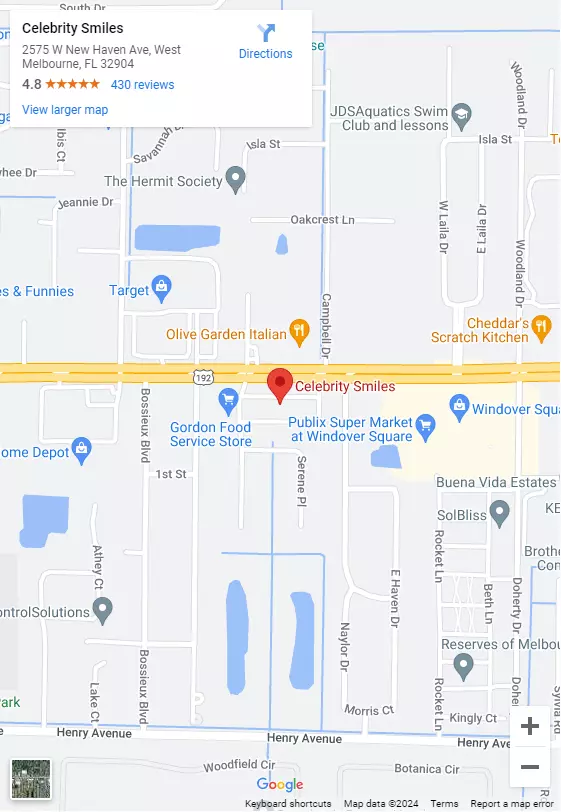
Celebrity Smiles Melbourne is a comprehensive practice focused on the connection between oral health, overall well-being, and confidence. Dr. Anand Shah, DMD and the team do not guarantee a particular outcome or promise a pain-free experience. Instead, they begin with an exam and a personalized discussion of your needs. If you are considering tooth extraction in Melbourne, FL, schedule an evaluation so you can make an informed decision with appropriate clinical guidance.
Request an Appointment at Celebrity Smiles Melbourne
Frequently Asked Questions
Is a tooth extraction painful?
The area is numbed with anesthesia selected for the extraction site and procedure complexity. So you should not feel the removal itself, although pressure or movement may be noticeable. Afterward, discomfort varies by the tooth and extraction type. Your dentist can recommend appropriate pain relief, which may include an over-the-counter or prescribed medication based on your needs. Anesthesia planning and post-extraction pain management are discussed during treatment planning.
How long does recovery take after an extraction?
Recovery depends on whether the procedure is simple or surgical, the tooth involved, and your overall health. The extraction socket heals through several stages, beginning with clot formation and continuing through tissue repair and bone remodeling. Your dentist will explain what to expect and provide written aftercare instructions for your specific procedure. Contact the office if bleeding is excessive, swelling worsens after 48 hours, or fever develops.
When can I eat after a tooth extraction?
Follow the individualized instructions provided by your dental team. In general, choose soft foods and avoid disturbing the extraction site immediately afterward. Do not vigorously rinse, smoke, or engage in strenuous physical activity during the first 24 to 48 hours, because these actions can interfere with clot stabilization and healing. Dry socket can occur when the protective clot fails to form or becomes dislodged.
Does an impacted wisdom tooth always need to be removed?
No. A wisdom tooth may not need removal when it is healthy, fully erupted, correctly positioned, functioning properly, and easy to clean. An impacted or partially erupted tooth may create conditions for infection, cysts, gum disease, or damage to nearby structures. An in-person examination and appropriate imaging are needed to determine whether monitoring, extraction, or another approach is appropriate. Mayo Clinic explains wisdom tooth assessment factors.
Ready to Plan Your Next Step?
If you are considering tooth extraction in Melbourne, FL, an in-person exam can help clarify whether extraction is appropriate and which approach best fits your needs. Your dentist can review the tooth, discuss your options, and explain aftercare before treatment begins.